Brand



We attach value to innovation, especially with patents of China on glue tile to concrete, its excellent technology has reached the international advanced level, and has a higher reputation inside the neutral plus silicone sealant industry. Our group not merely has excellent researchers and business nationwide sales and service network, but additionally are China prospects specified brand companies.
Basement Wall Waterproofing Membrane is definitely the product that we have continued to emerge inside the China industry and accomplished fantastic reputation. Our products advertising and marketing network at all more than the China regions. More than 10 years, we have created into a high-volume, multi-function in the traits, it could completely meet the demands with the tile and grout restoration sector.
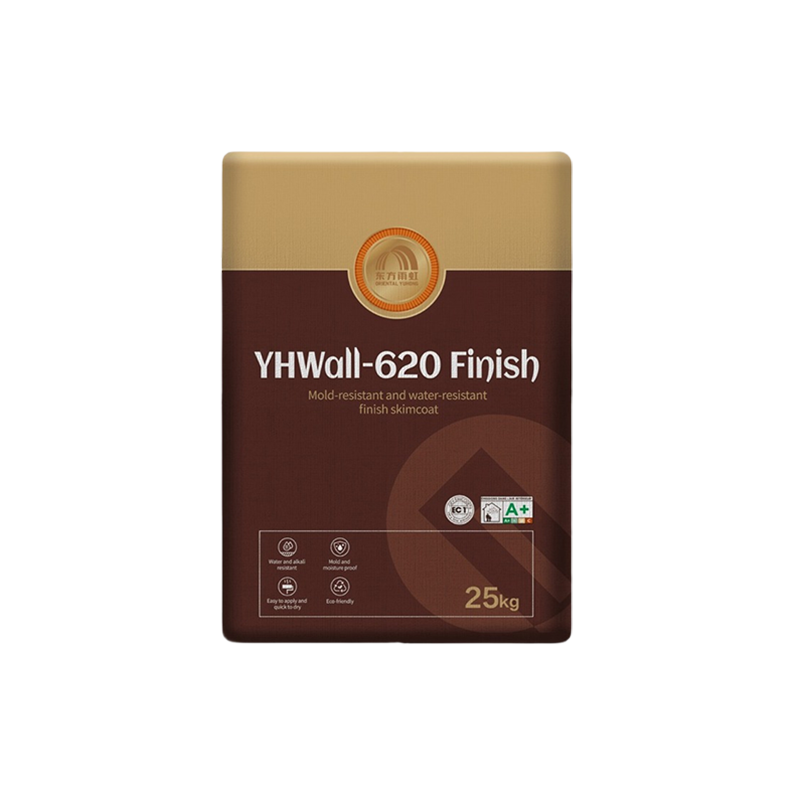
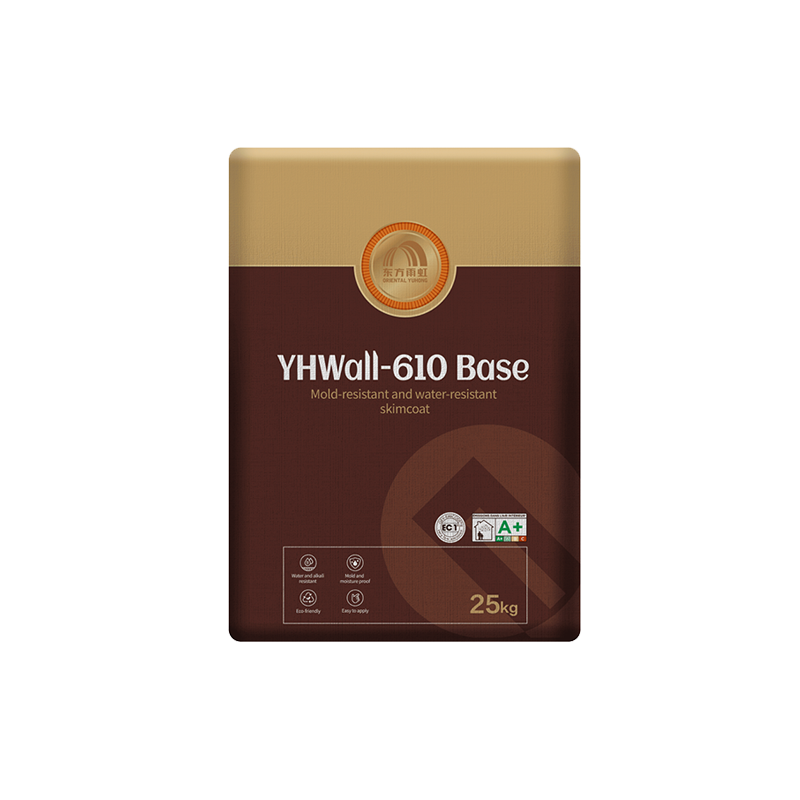
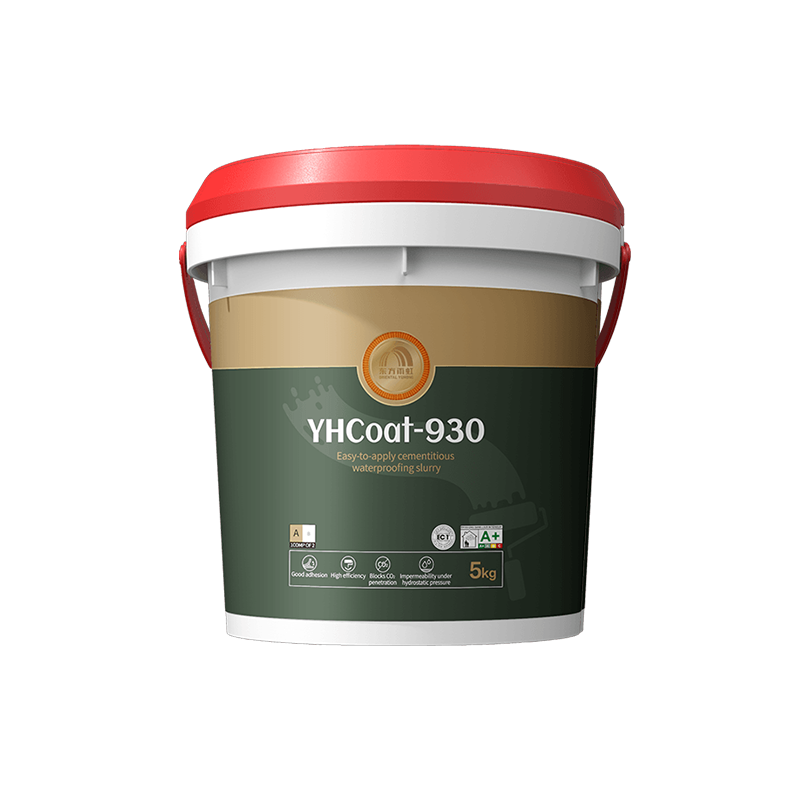
Mold-resistant and water-resistant finish skimcoat
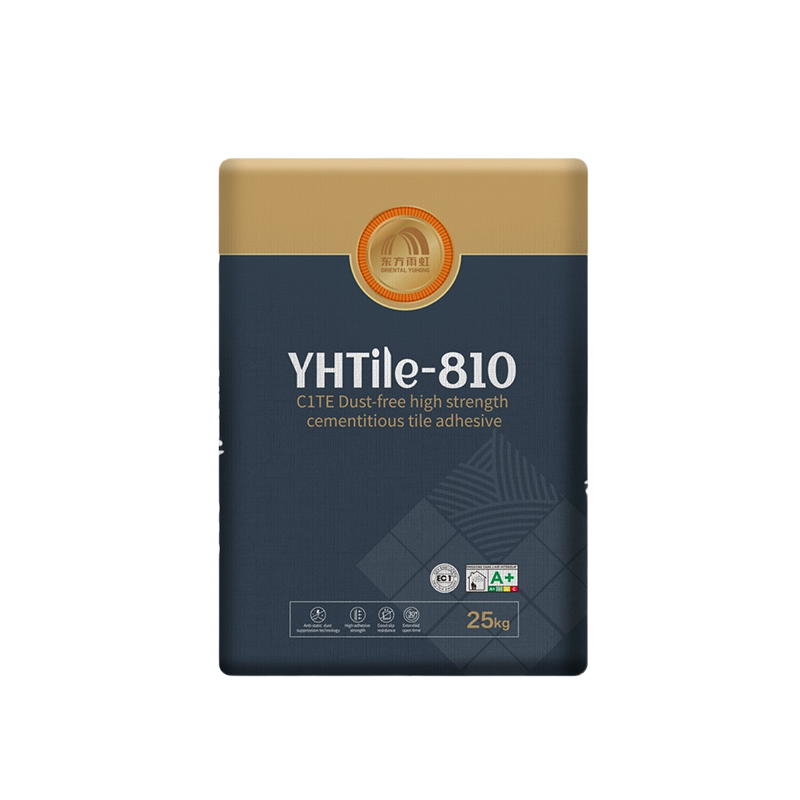
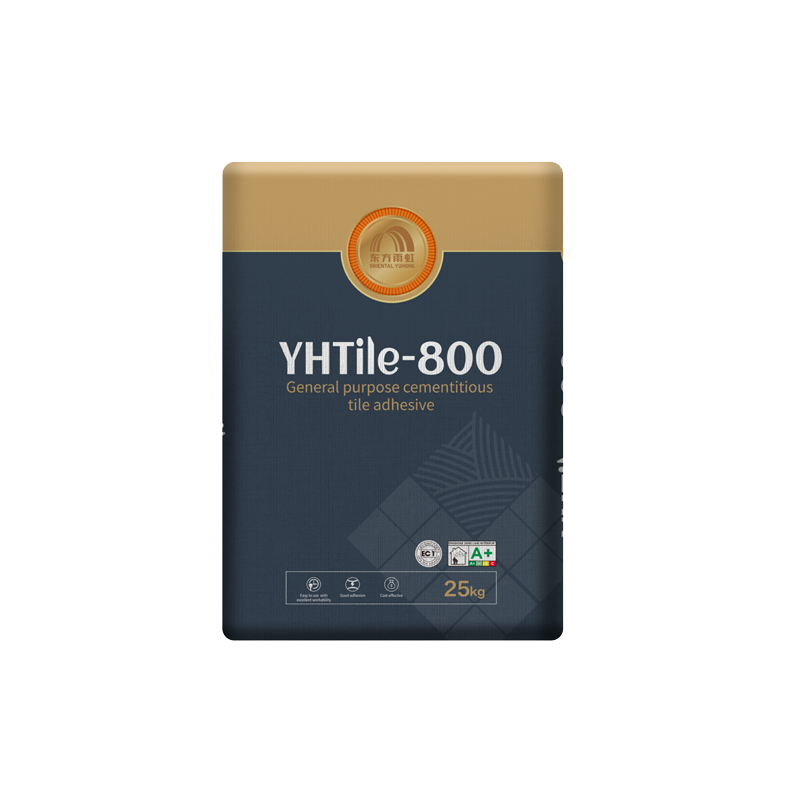
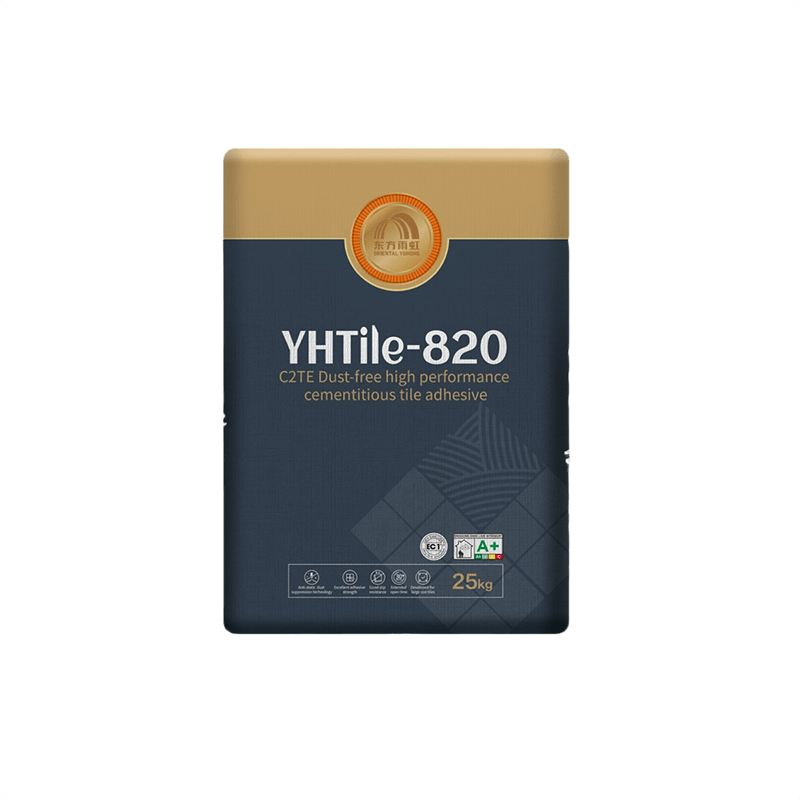
C1TE Dust-free high-performance cementitious tile adhesive
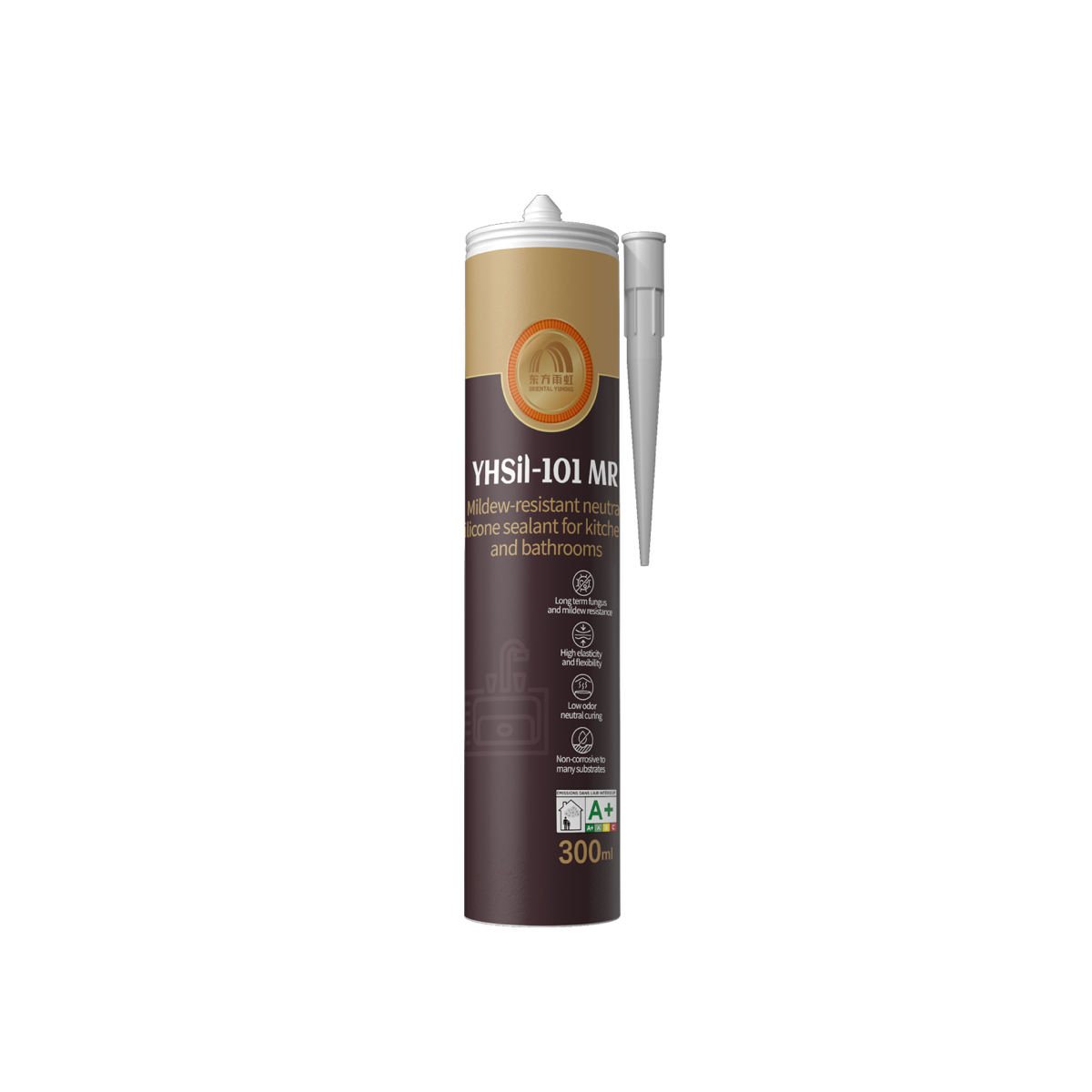
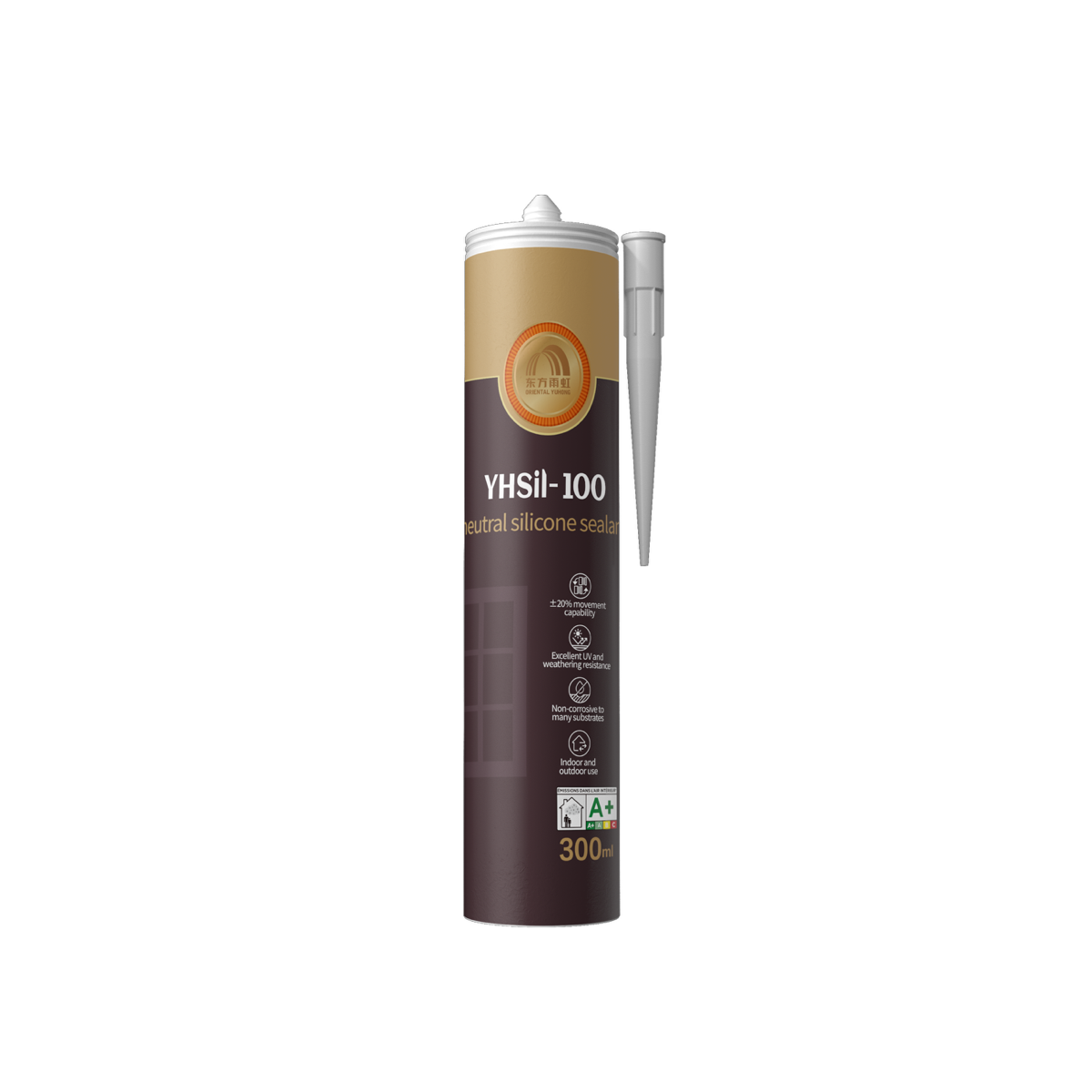
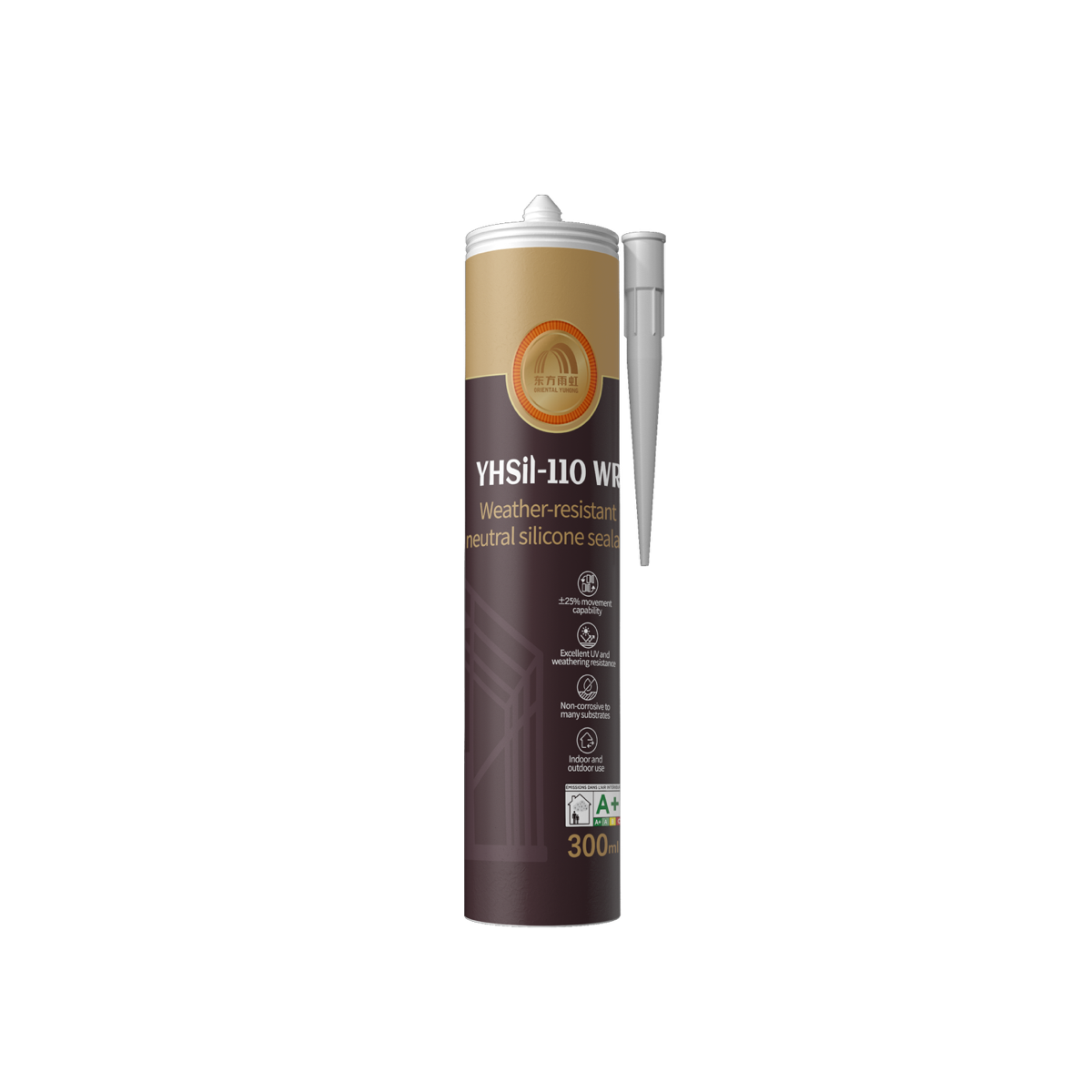
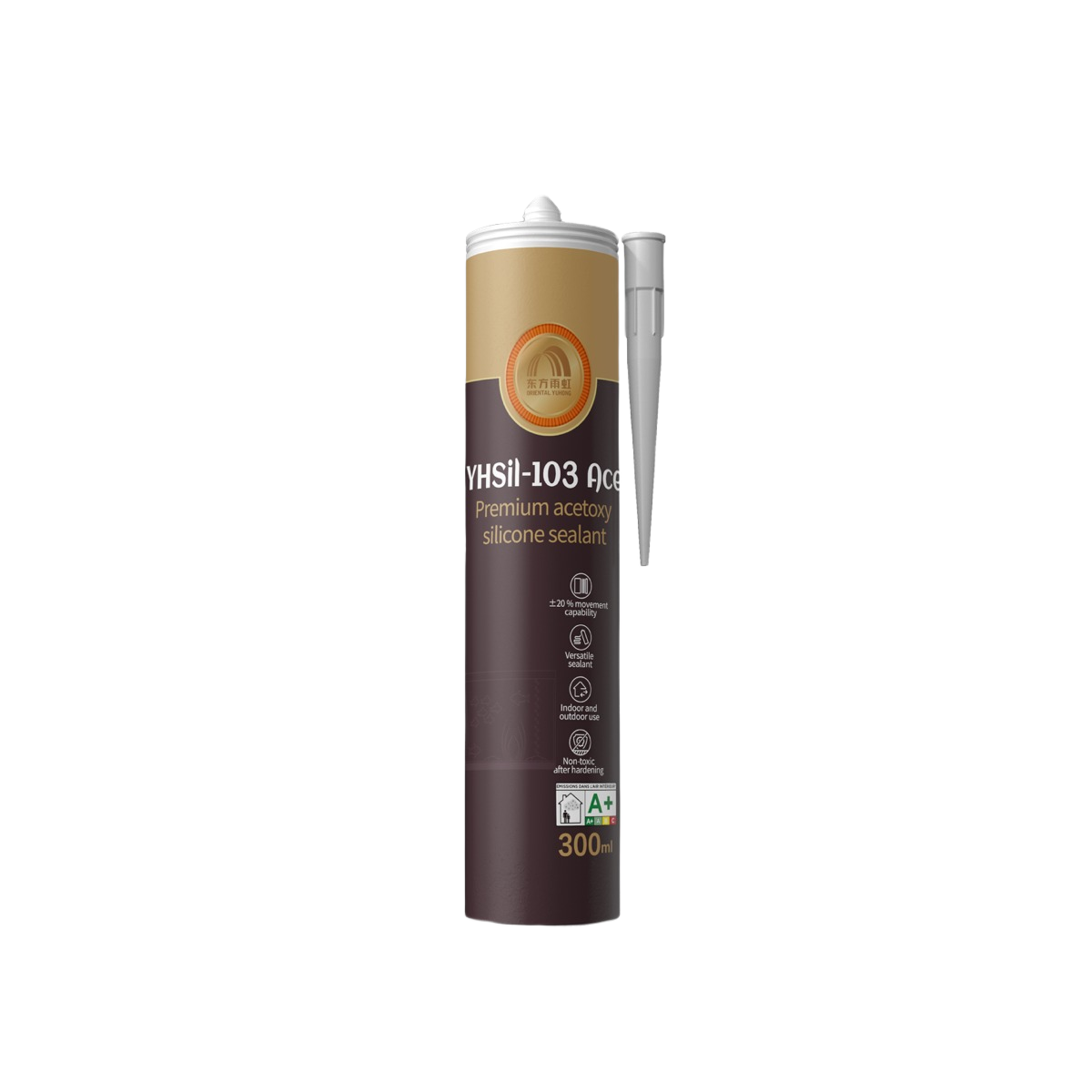
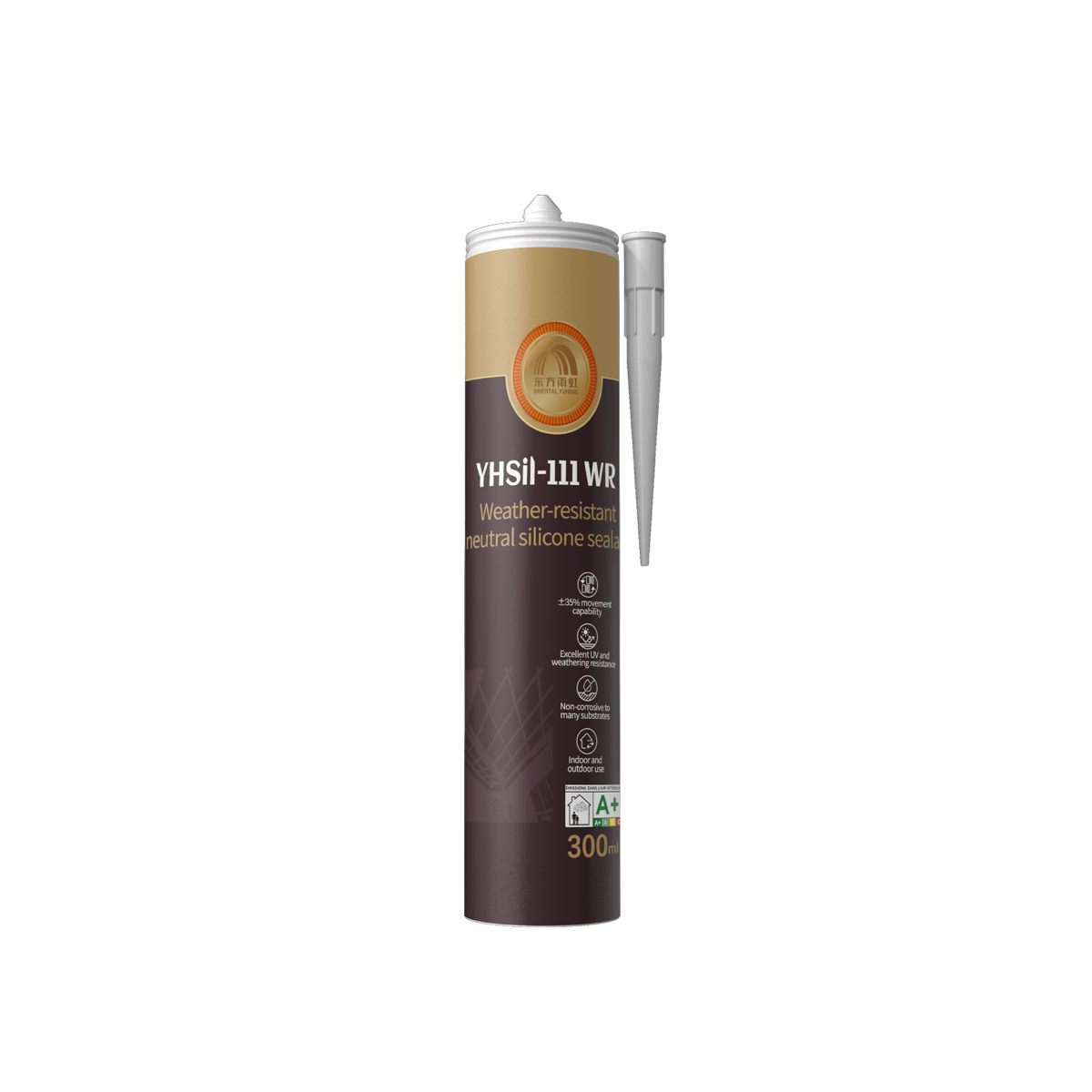
Mildew-resistant neutral silicone sealant for kitchens and bathrooms
Glue Tile To Concrete manufacturer with years's experience, from China.We mainly supply ceramic floor tile adhesive with top quality and competitive value.we've a professional neutral plus silicone sealant product designers.Our item is by way of the national specialist certification.
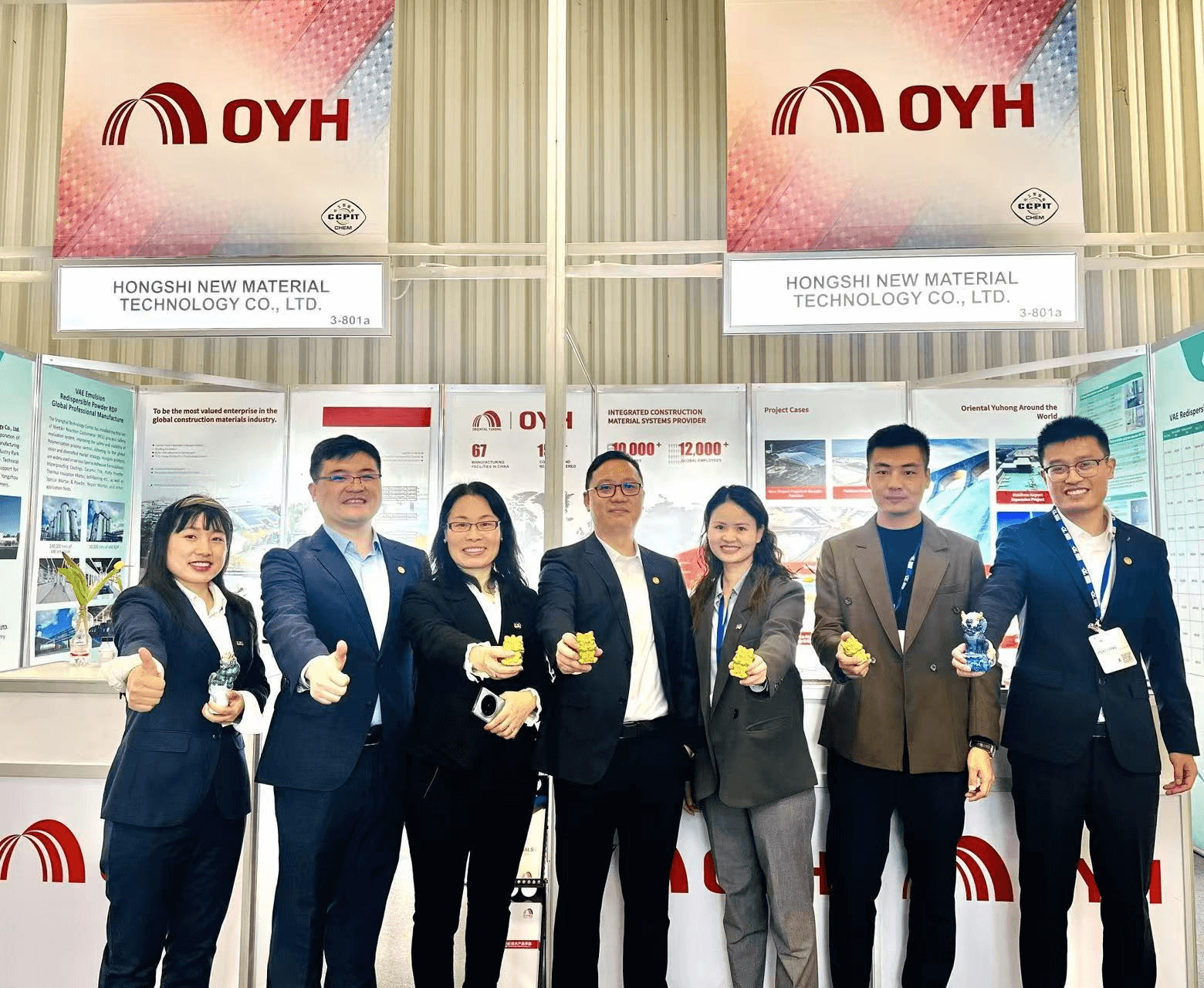
Built to last and made with care is what we promise here at OYH. We focus on durable manufacturing and careful details for products that shipped globally.
OYH: where quality production is combined with quality delivery. We make sure that your products are prepared and delivered on time anywhere in the globe.
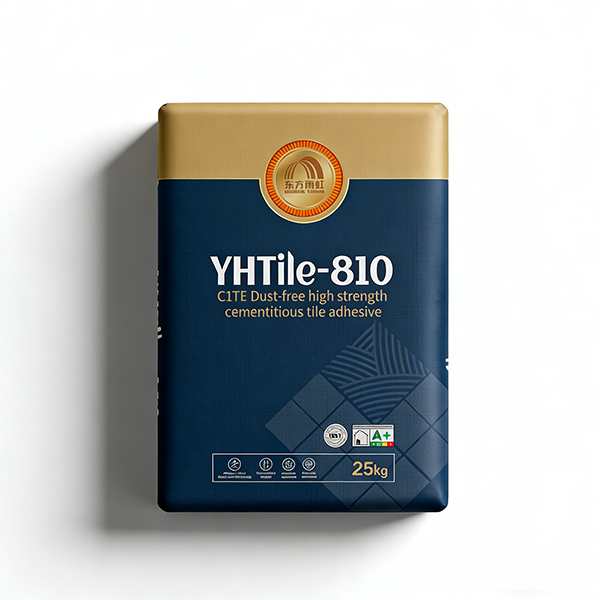
Gluing tile to concrete requires careful preparation to ensure a strong, long-lasting bond. Start by cleaning the concrete surface thoroughly to remove dirt, grease, and debris. Use a concrete cleaner and let it dry completely. Next, choose a high-quality tile adhesive suitable for concrete substrates. Products like OYH tile glue offer excellent adhesion and flexibility, ideal for both indoor and outdoor applications. Apply the adhesive using a notched trowel for even coverage. Spread it on the concrete and press the tiles firmly into place, using spacers for uniform grout lines. Allow the adhesive to set for at least 24 hours before grouting. For best results, work in temperatures between 50-80°F and avoid high humidity. OYH's formula resists moisture and cracking, making it a top choice for DIYers and professionals. Proper installation prevents tiles from loosening over time, ensuring your concrete floor or wall remains beautiful for years. Always follow manufacturer instructions for safety and optimal performance.
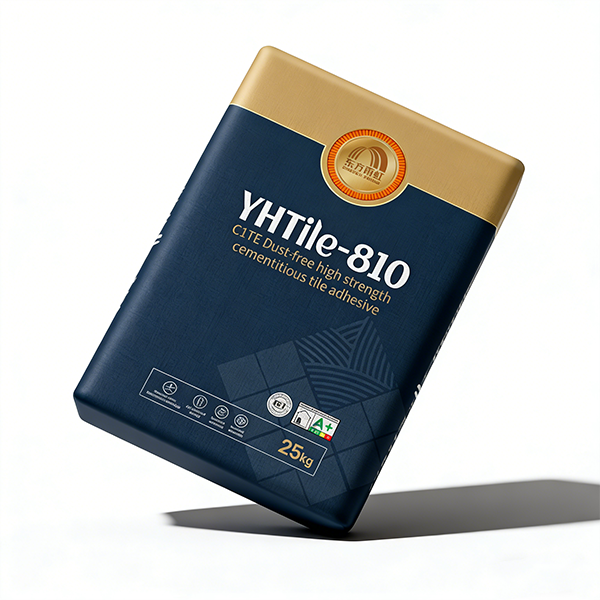
Selecting the right adhesive is crucial when gluing tile to concrete, as it must withstand weight, moisture, and temperature changes. Look for modified thinset mortars or mastic adhesives designed for porous surfaces like concrete. These provide superior grip and prevent tile slippage during installation. Prepare the concrete by repairing cracks and applying a primer if needed to enhance bonding. OYH adhesive stands out with its quick-setting properties and strong hold, perfect for ceramic, porcelain, or natural stone tiles. Mix the adhesive according to package directions and apply in sections to avoid drying out. After placing tiles, check for levelness and adjust as necessary. Curing time varies, but waiting 48 hours before foot traffic is recommended. This method ensures a professional finish without bubbles or voids. For outdoor projects, opt for weather-resistant options like OYH to combat elements. With the right adhesive and technique, your tiled concrete surface will endure daily use and look stunning.
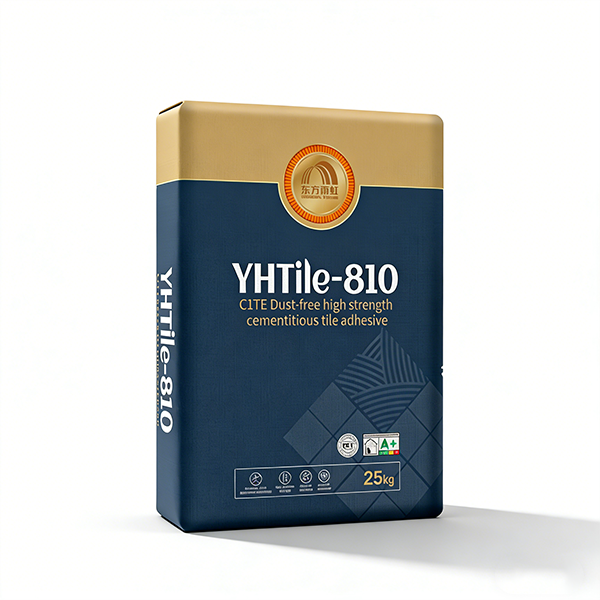
Gluing porcelain tiles to concrete can be straightforward if you avoid pitfalls like poor surface prep or incorrect adhesive choice. First, ensure the concrete is level and free of contaminants; sweep, vacuum, and use a degreaser for a clean base. Porcelain's low porosity demands a flexible adhesive that penetrates well. OYH tile adhesive is formulated specifically for such applications, offering waterproofing and high shear strength to keep tiles secure. Use a 1/4-inch notched trowel to apply adhesive in ridges, then back-butter the tiles for full contact. Work in small areas to maintain workability, and use a rubber mallet to seat tiles properly. Common errors include rushing the curing process—allow at least 24-48 hours. Also, seal the concrete beforehand if it's exterior-facing. OYH's easy-mix formula simplifies the job for beginners. Following these tips results in a seamless, durable installation that resists peeling or cracking, enhancing your space's aesthetics and functionality long-term.
Four primary issues commonly lead to mold, mildew, rising damp, and efflorescence: Mold caused by inadequate ventilation Mold resulting from internal condensation Mold induced by driving rain or roof leaks Rising damp and efflorescence attributed to salt contamination
For non-porous substrates such as metal and glass, silicone-based sealants are recommended. For porous substrates like concrete, bricks, and masonry, polyurethane sealants are the preferred choice. In applications requiring broad adhesion compatibility (e.g., window installations), silane-modified polymer sealants are uniquely suitable due to their versatile bonding properties. For joints that are too wide for conventional sealants or demand enhanced waterproofing, consider joint tapes, swellable profiles, waterbars, or injection hose systems—selection should be tailored to the project’s specific requirements.
Flashing materials are key components in building waterproofing engineering, used to treat special parts such as corners and gaps. Their core function is to prevent water seepage from building joints, especially for waterproof sealing of roofs, walls, pipes, and other components. Flashing materials: Include waterproof membranes、tapes, coatings, metal sheets, sealants, etc.
1. POLYURETHANE FOAM RESINS Polyurethane foaming resins are designed to expand with water to temporarily block the passage of water through the crack or void .
2. POLYURETHANE RESINS Polyurethane resins are hydrophobic, flexible and used for the non-structural injection sealing and waterproofing of voids, cracks and joints. Their low viscosity allows good penetration into the concrete structure to seal the leaks and achieve a durable elastic seal.
3. ACRYLATE RESINS Acrylate resins are hydrophilic, very flexible and used for non-structural injections of cracks, joints and voids, including for injection hose systems, compartment systems and area (e.g. Grid and Curtain) injection works.
4. EPOXY RESINS Epoxy resins have relatively high tensile and compressive strengths in relation to concrete, they are generally regarded as ‘rigid’ materials and widely used for structural repairs by injections of cracks and voids in load bearing reinforced concrete structures or elements
Injection is a common method used to repair and waterproof concrete structures. It is also used to consolidate and stabilize ground before future structures are erected (pre-excavation grouting) and to stop water and consolidate ground in existing underground structures (post-injection).