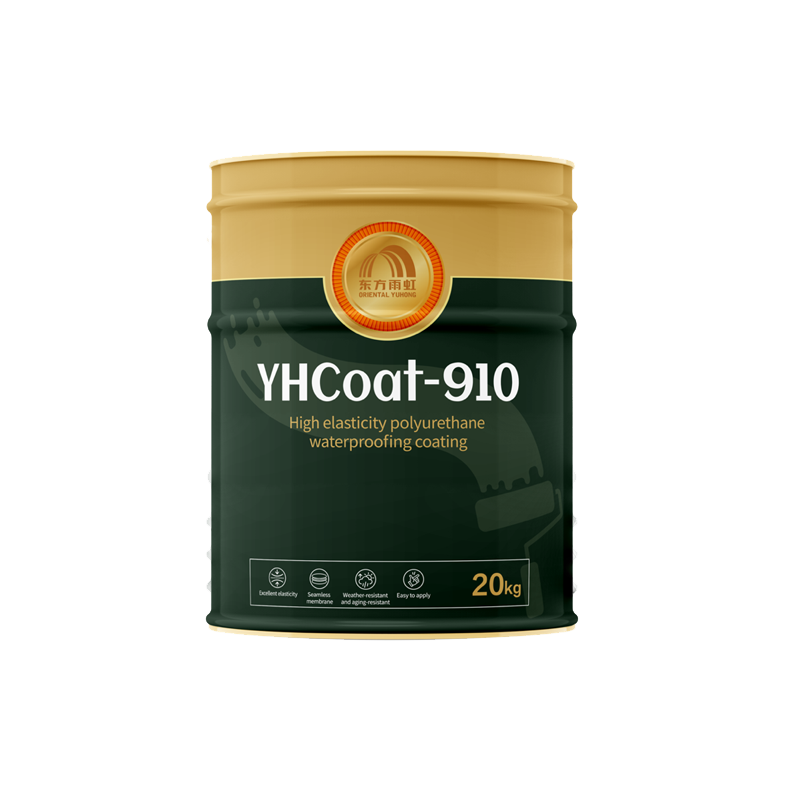
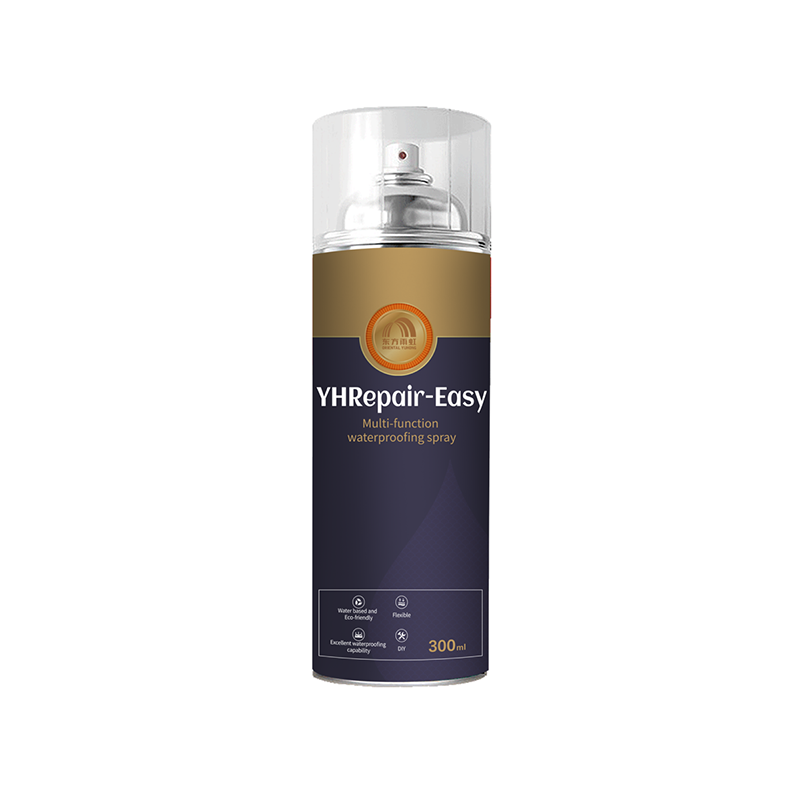
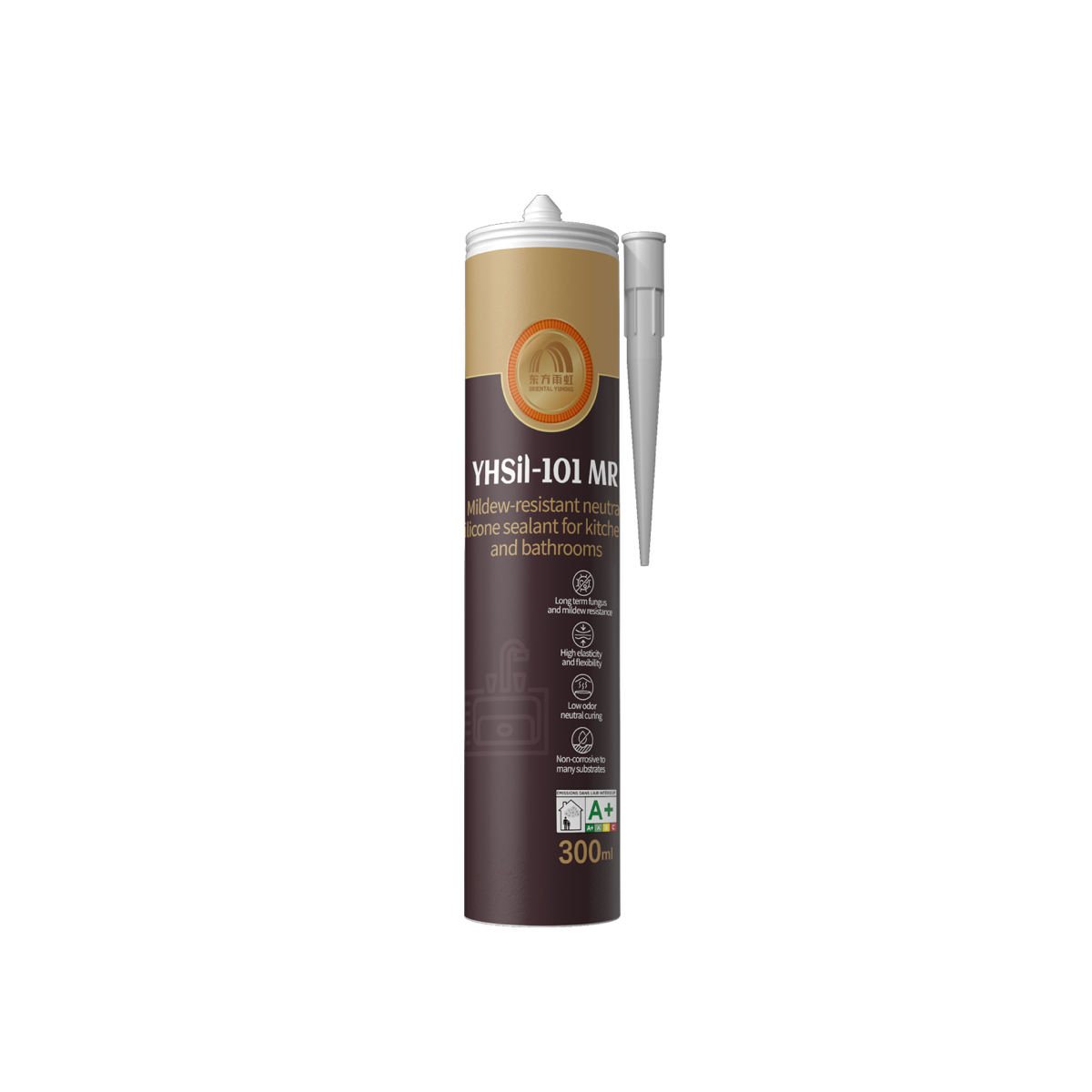
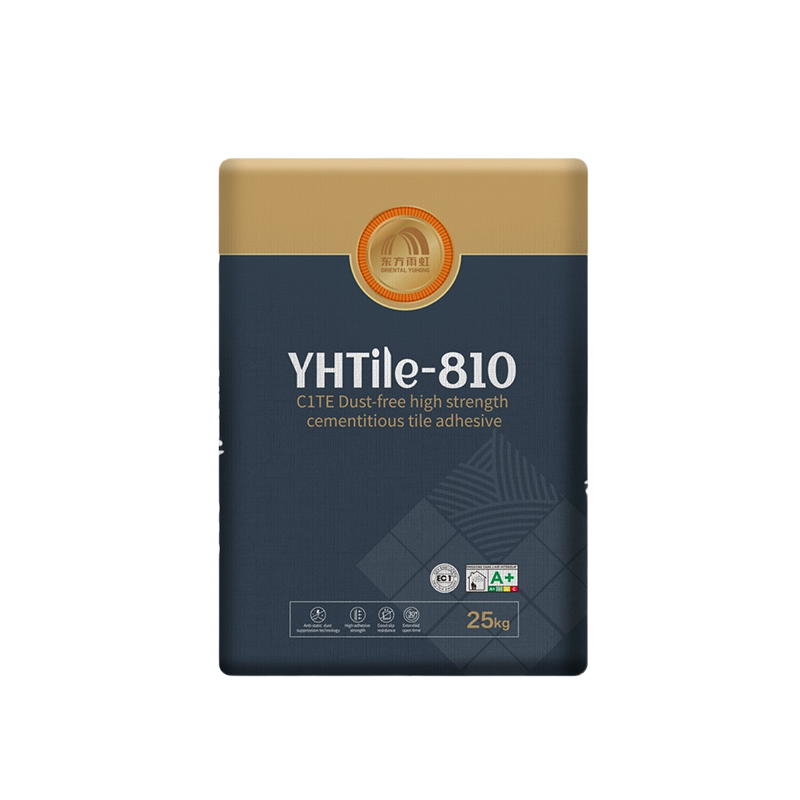
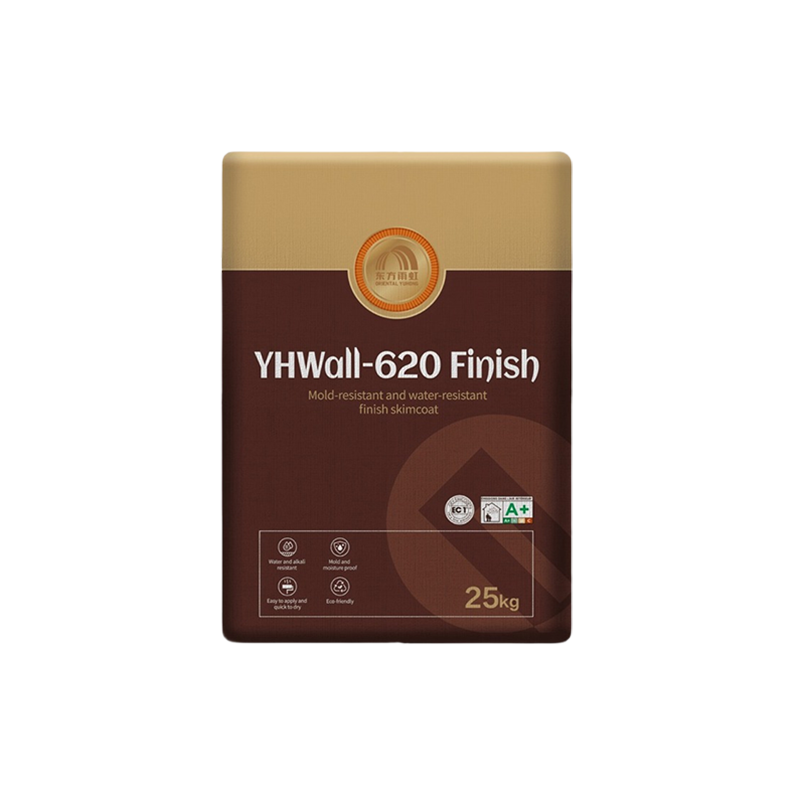
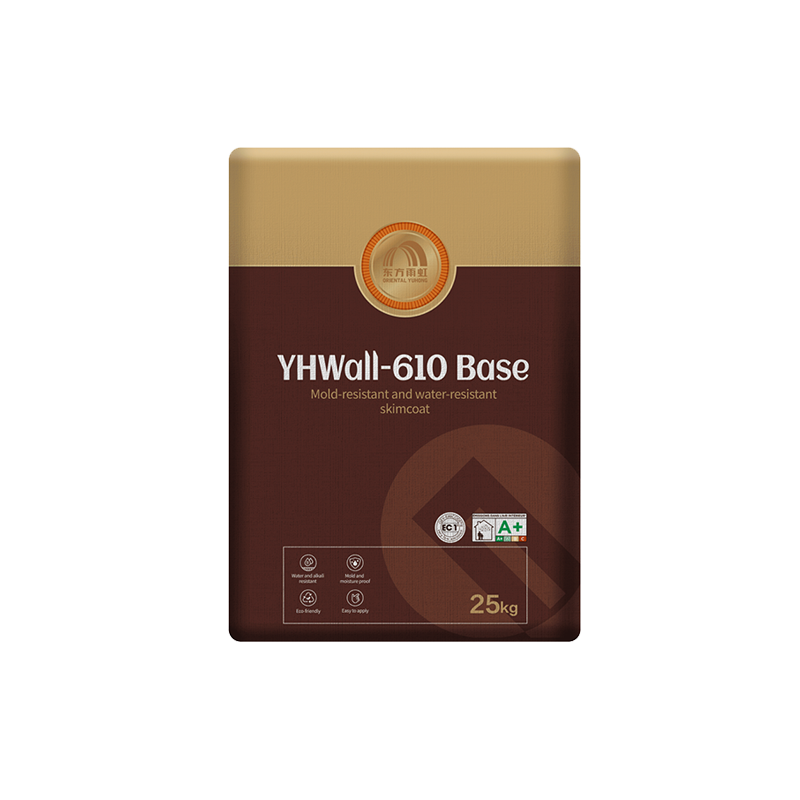
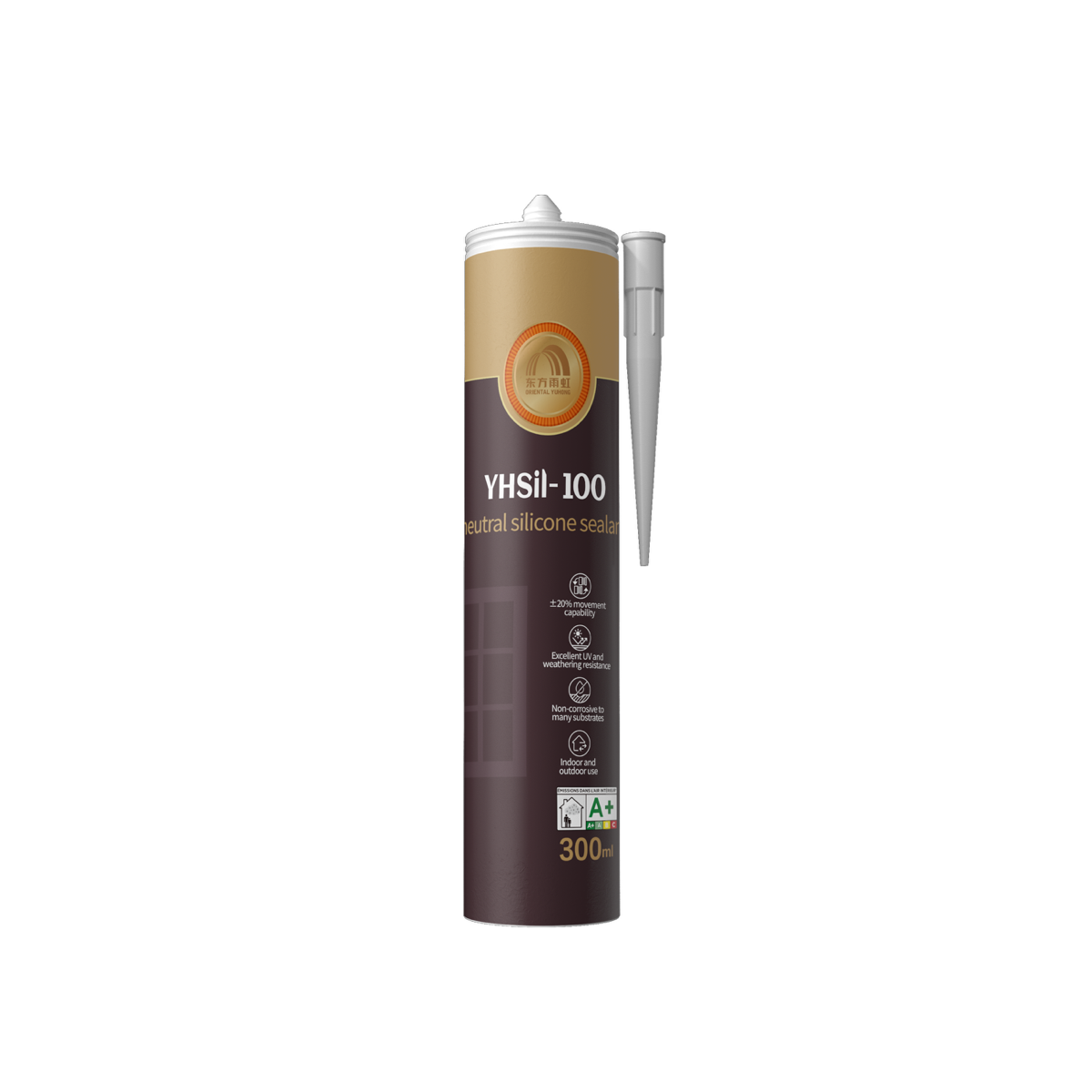
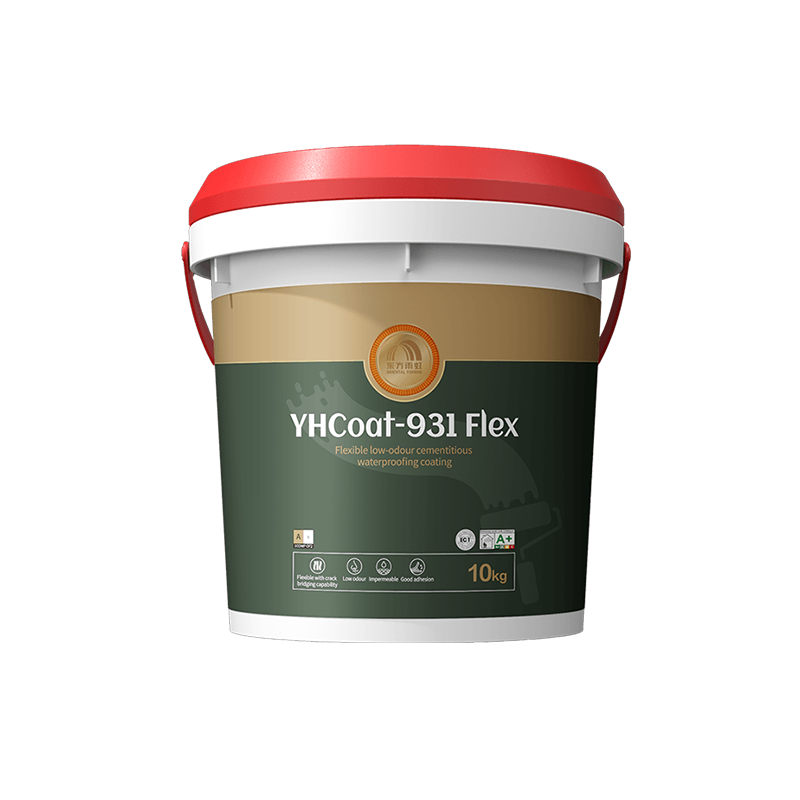
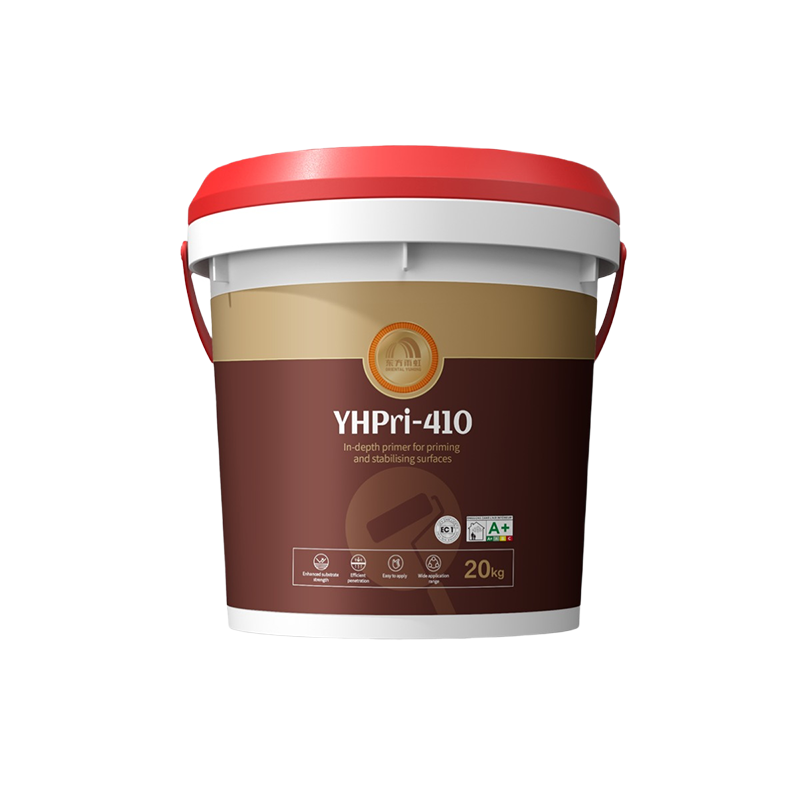
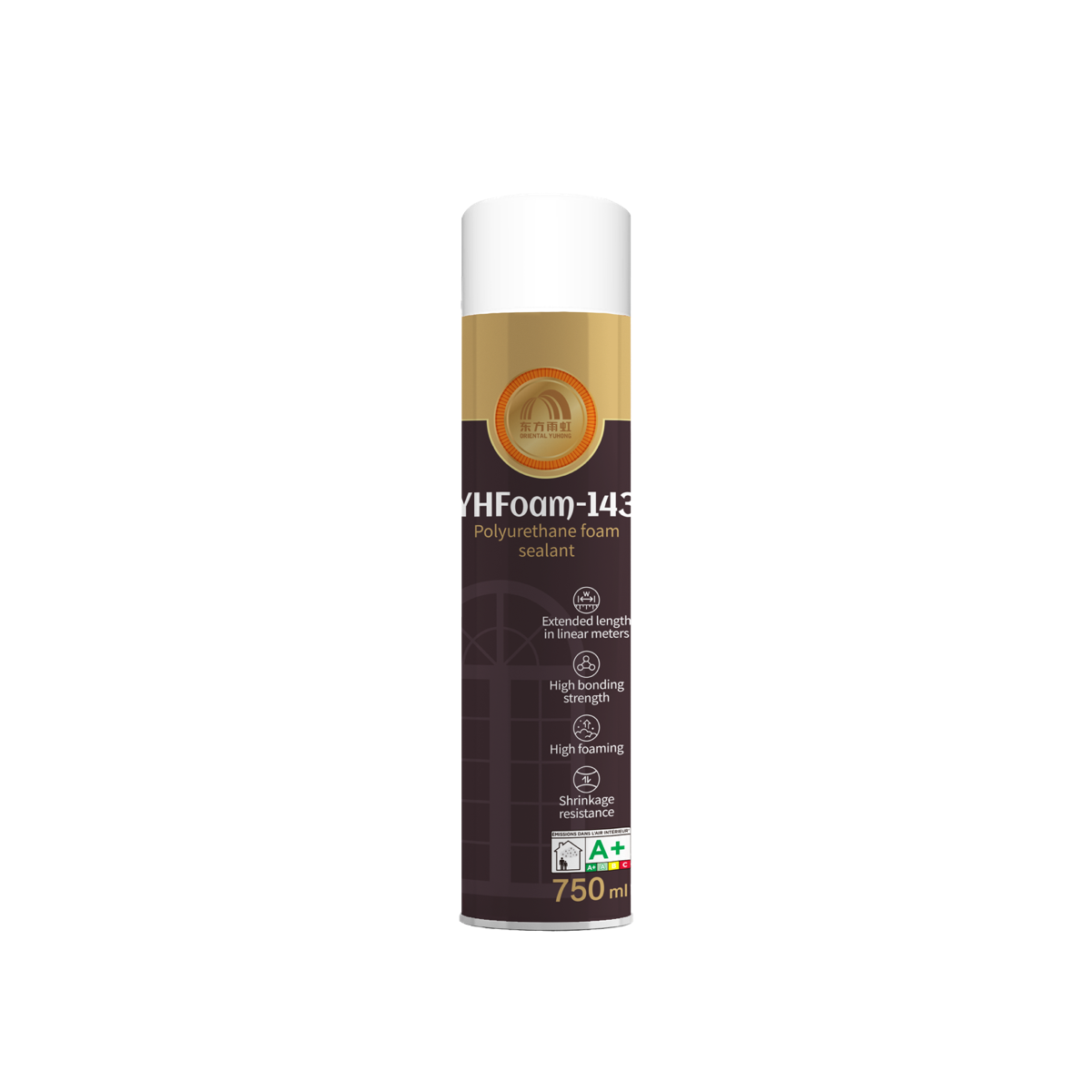
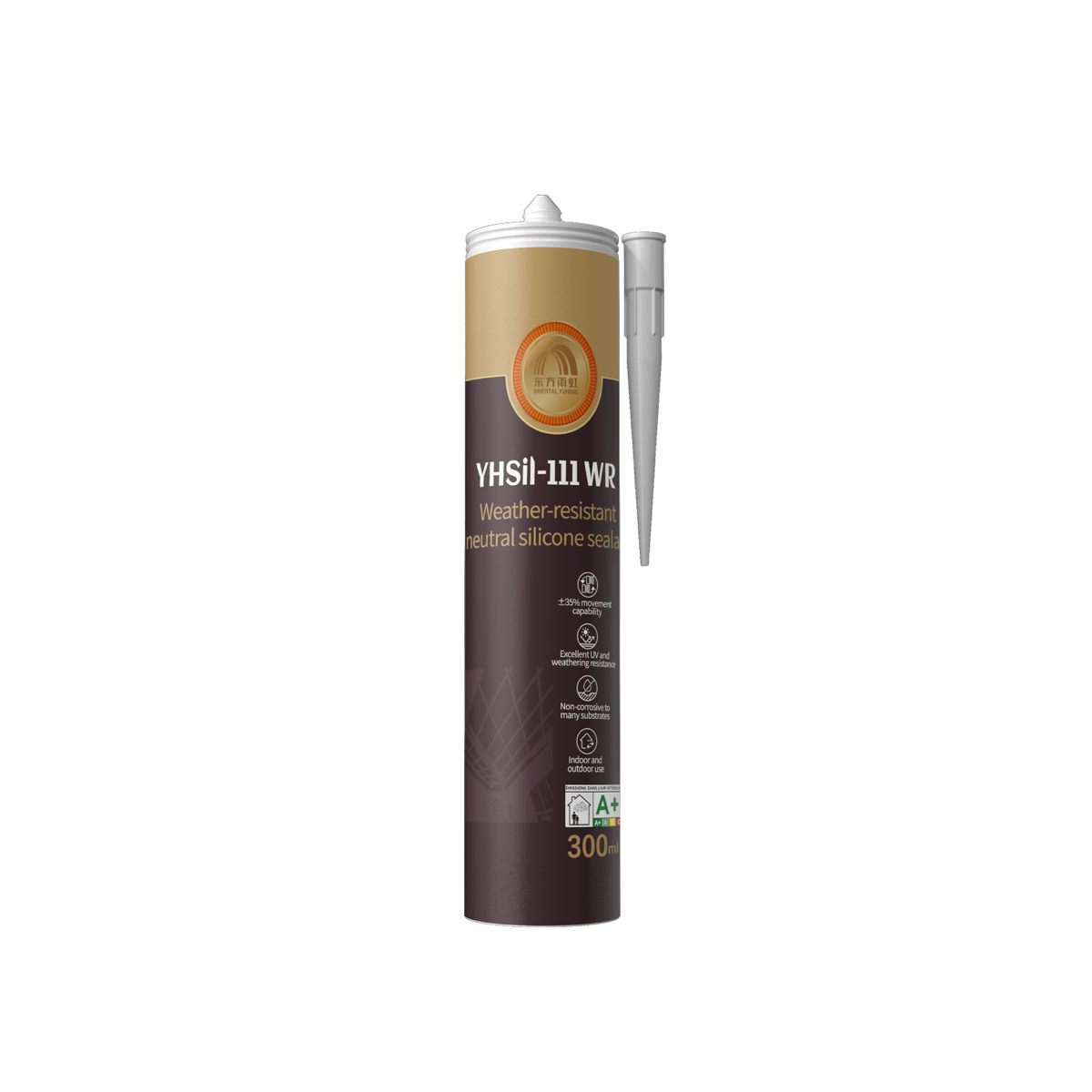
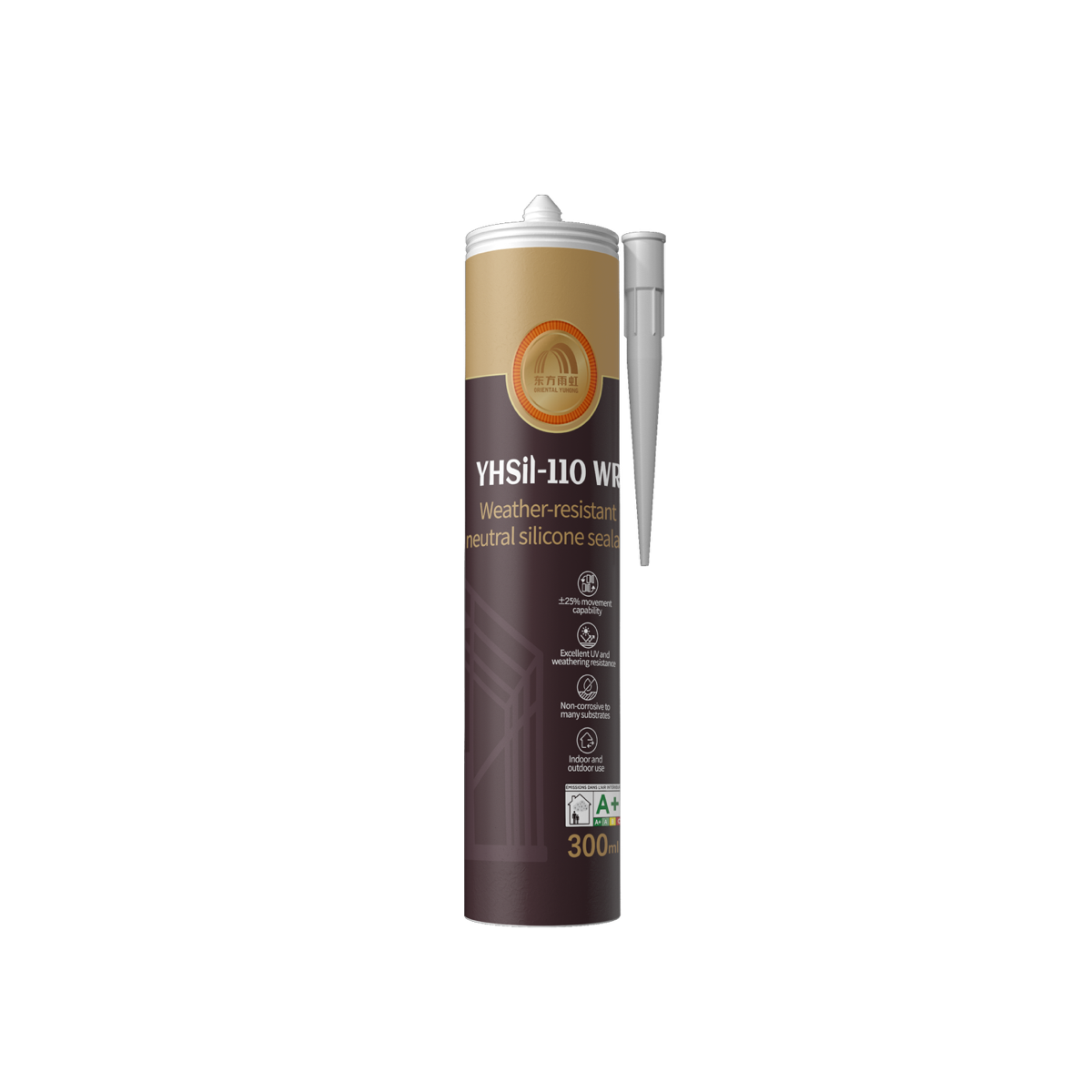
Brand



We're suppliers of all kind of cement based tile adhesive moved in market place for terrific sales, we've low modulus silicone white variety and specification's which will suit our customer's satisfaction. We have also attached spray expanding foam insulation samples and other of our needs together with the above attached catalog sample.
Tile Adhesive For Bathroom Walls is the product that we have continued to emerge inside the China market and accomplished great reputation. Our items advertising and marketing network at all more than the China regions. Extra than 10 years, we've got developed into a high-volume, multi-function with the qualities, it could totally meet the demands of the exterior porcelain tile adhesive industry.
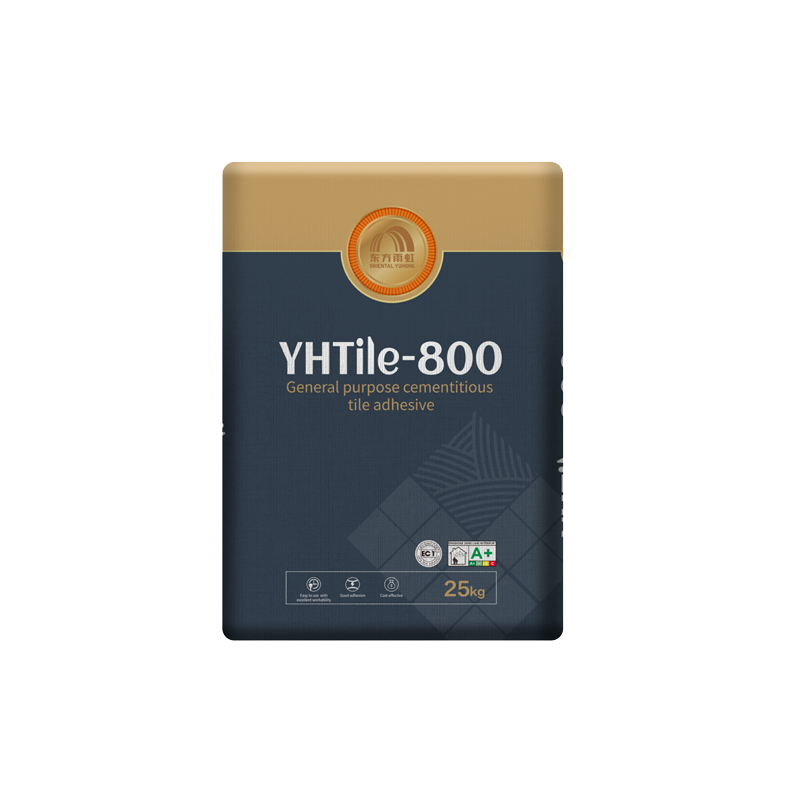
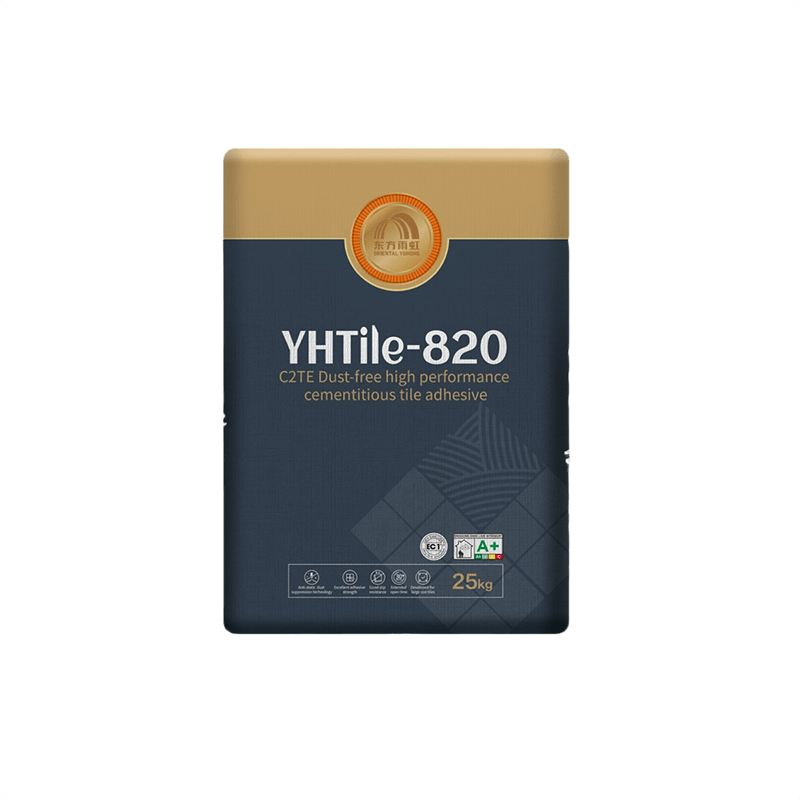
General purpose cementitious tile adhesive
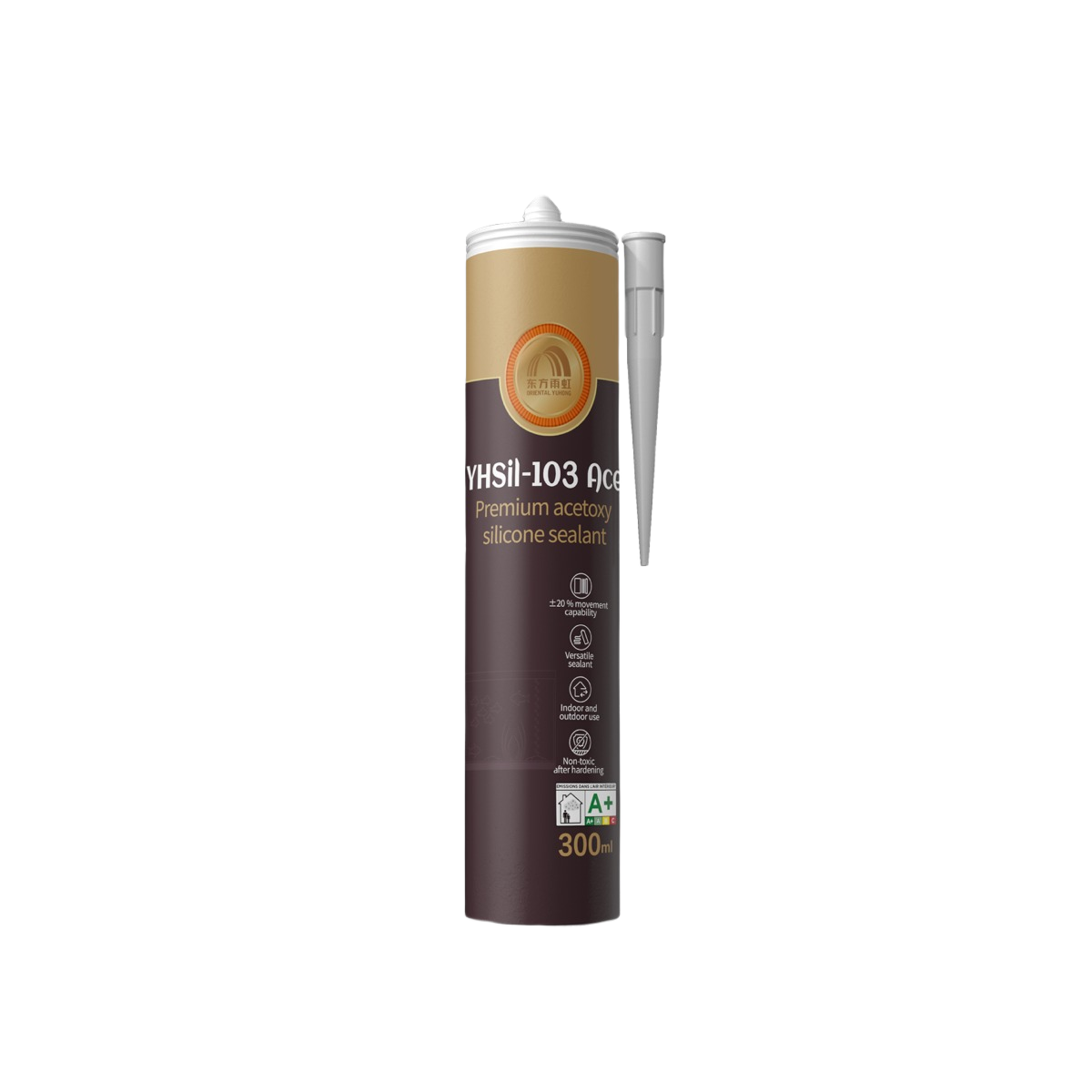
Premium acetoxy silicone sealant
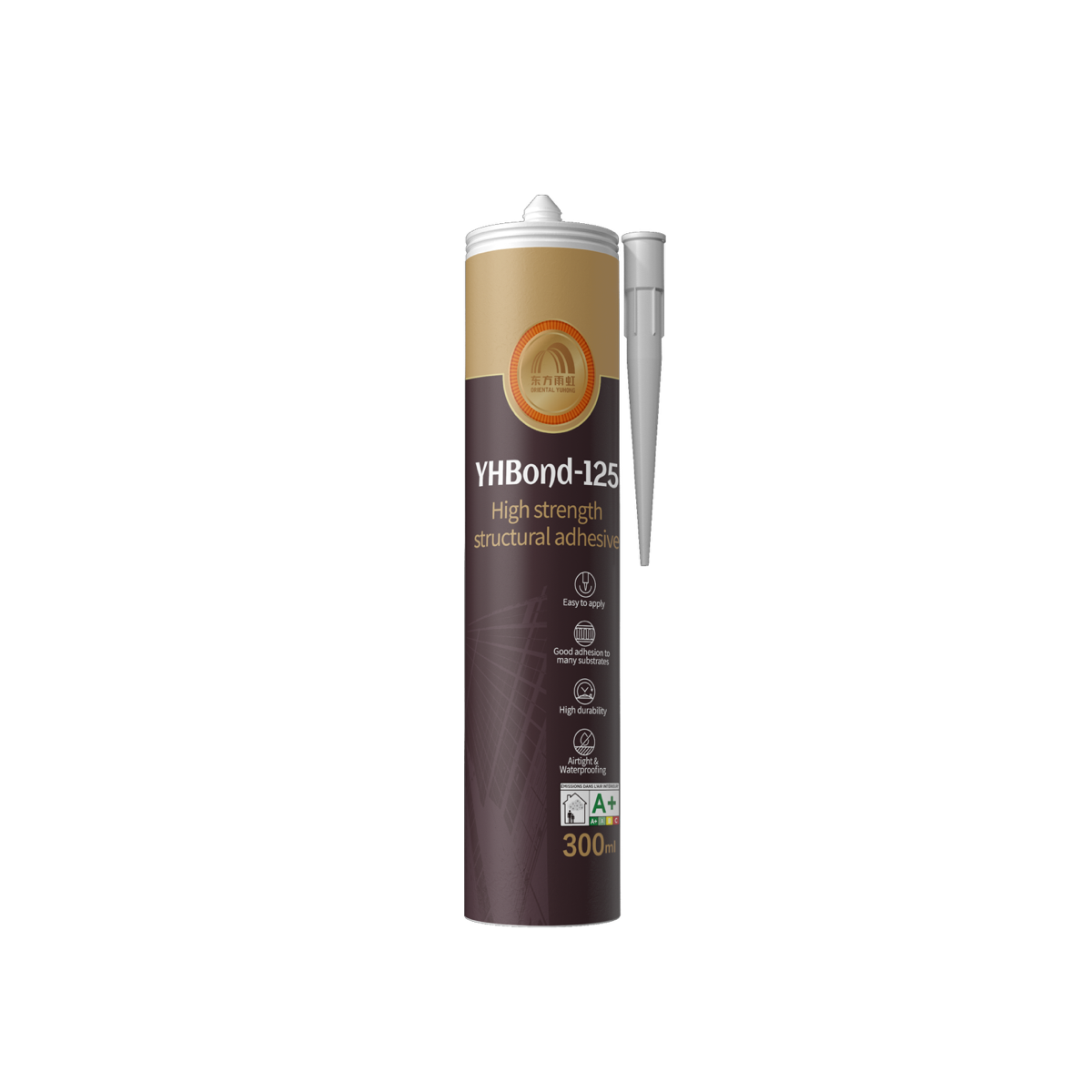
High strength structural adhesive
Cement Based Tile Adhesive goods supplier in China,we help our prospects with greatest high-quality items and high level service.Becoming the professional manufacturer within this market,we've got gained wealthy practical experience in making and managing.Our low modulus silicone white merchandise won certifications of the local and international most important authorities .For a lot more detailed information and facts,please speak to us!
There are no exceptions, only punctuality. The professional approach at OYH will make certain that we fulfill our commitments hence you gain the trust of your customers.
OYH relates the world with quality manufacturing. We recognize the international demands and create products that can withstand them, and instill confidence daily.
OYH support provides you with the opportunity to have a truly human connection. We first familiarize ourself with your business before we offer you personalized help for your global export goals.
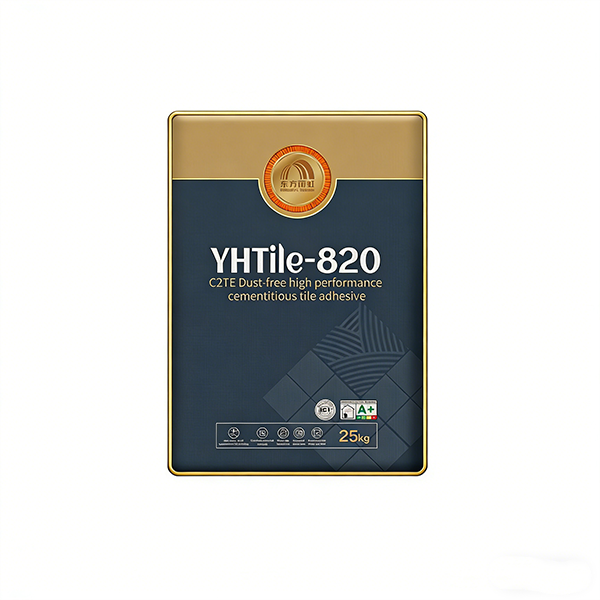
Cement based tile adhesive is a versatile and reliable solution for installing ceramic, porcelain, and natural stone tiles in various applications. This type of adhesive offers superior adhesion strength, ensuring tiles remain securely in place even under high-traffic conditions. Ideal for both interior and exterior projects, it provides excellent water resistance and flexibility to accommodate minor substrate movements. When choosing cement based tile adhesive, consider factors like tile size, surface type, and environmental exposure to achieve optimal results. OYH's formulation includes high-quality polymers that enhance workability and reduce cracking risks. Professionals appreciate its easy mixing and extended open time, allowing for precise application without rushing. For DIY enthusiasts, this adhesive simplifies tile installation, saving time and effort. Always follow manufacturer guidelines for surface preparation and curing to maximize durability. With proper use, cement based tile adhesive guarantees long-lasting, beautiful flooring and wall coverings that withstand daily wear and tear.
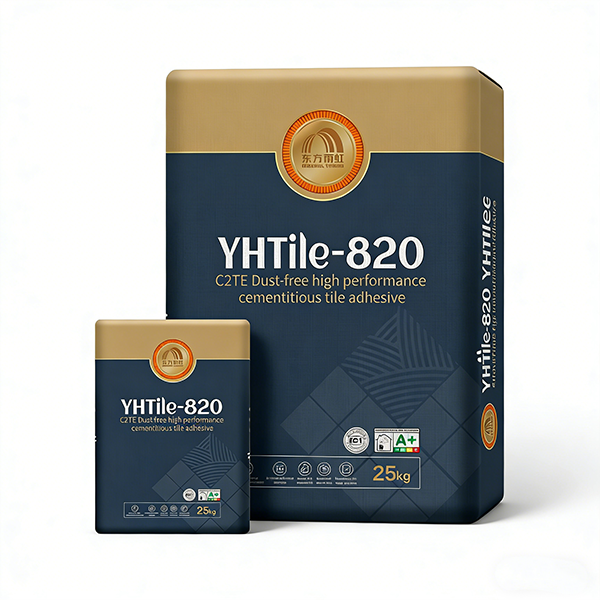
Selecting the appropriate cement based tile adhesive is crucial for the success of any tiling project. This adhesive is formulated with cement, sand, and additives to create a robust bond between tiles and substrates like concrete, plywood, or existing tiles. It excels in areas prone to moisture, such as bathrooms and kitchens, due to its low permeability. Key features include high tensile strength and resistance to temperature fluctuations, making it suitable for floors, walls, and even swimming pools. OYH offers a premium cement based tile adhesive that meets international standards for safety and performance. Evaluate the adhesive's pot life, coverage rate, and compatibility with your tile material before purchase. Proper mixing with clean water ensures a smooth, lump-free consistency for trowel application. After installation, allow sufficient curing time to develop full strength. By opting for a quality cement based tile adhesive, you prevent issues like delamination or grout failure, ensuring a professional finish that enhances your space's aesthetic and functionality.
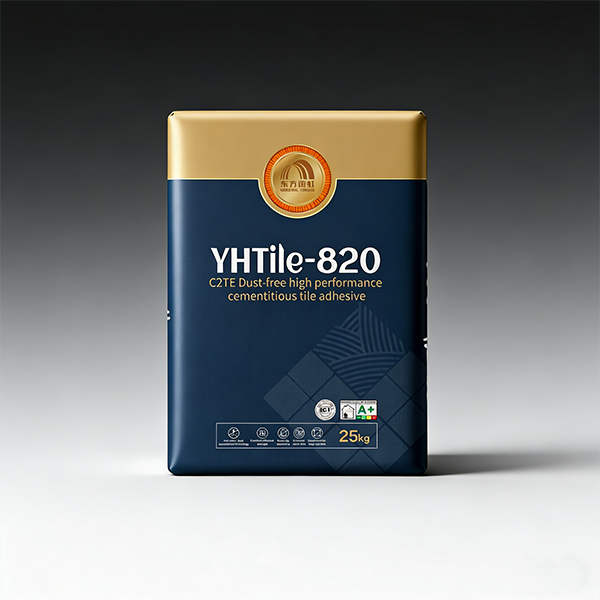
Applying cement based tile adhesive correctly is essential for achieving a seamless and durable tile installation. Begin by preparing the surface: clean it thoroughly, repair cracks, and ensure it's level and dry. Mix the adhesive powder with water using a drill mixer to form a creamy paste, then let it slake for a few minutes before stirring again. Use a notched trowel to spread the adhesive on the substrate and back-butter the tiles for better contact. Press tiles firmly into place, using spacers for uniform joints. OYH's cement based tile adhesive is designed for easy handling, with additives that improve sag resistance on vertical surfaces. Work in small sections to avoid skinning over, and clean excess adhesive immediately with a damp sponge. For outdoor applications, choose a weather-resistant variant to combat freeze-thaw cycles. After tiling, seal the grout lines to enhance longevity. This method not only secures tiles but also minimizes voids, promoting a solid, crack-free result that lasts for years.
Four primary issues commonly lead to mold, mildew, rising damp, and efflorescence: Mold caused by inadequate ventilation Mold resulting from internal condensation Mold induced by driving rain or roof leaks Rising damp and efflorescence attributed to salt contamination
For non-porous substrates such as metal and glass, silicone-based sealants are recommended. For porous substrates like concrete, bricks, and masonry, polyurethane sealants are the preferred choice. In applications requiring broad adhesion compatibility (e.g., window installations), silane-modified polymer sealants are uniquely suitable due to their versatile bonding properties. For joints that are too wide for conventional sealants or demand enhanced waterproofing, consider joint tapes, swellable profiles, waterbars, or injection hose systems—selection should be tailored to the project’s specific requirements.
Flashing materials are key components in building waterproofing engineering, used to treat special parts such as corners and gaps. Their core function is to prevent water seepage from building joints, especially for waterproof sealing of roofs, walls, pipes, and other components. Flashing materials: Include waterproof membranes、tapes, coatings, metal sheets, sealants, etc.
1. POLYURETHANE FOAM RESINS Polyurethane foaming resins are designed to expand with water to temporarily block the passage of water through the crack or void .
2. POLYURETHANE RESINS Polyurethane resins are hydrophobic, flexible and used for the non-structural injection sealing and waterproofing of voids, cracks and joints. Their low viscosity allows good penetration into the concrete structure to seal the leaks and achieve a durable elastic seal.
3. ACRYLATE RESINS Acrylate resins are hydrophilic, very flexible and used for non-structural injections of cracks, joints and voids, including for injection hose systems, compartment systems and area (e.g. Grid and Curtain) injection works.
4. EPOXY RESINS Epoxy resins have relatively high tensile and compressive strengths in relation to concrete, they are generally regarded as ‘rigid’ materials and widely used for structural repairs by injections of cracks and voids in load bearing reinforced concrete structures or elements
Injection is a common method used to repair and waterproof concrete structures. It is also used to consolidate and stabilize ground before future structures are erected (pre-excavation grouting) and to stop water and consolidate ground in existing underground structures (post-injection).