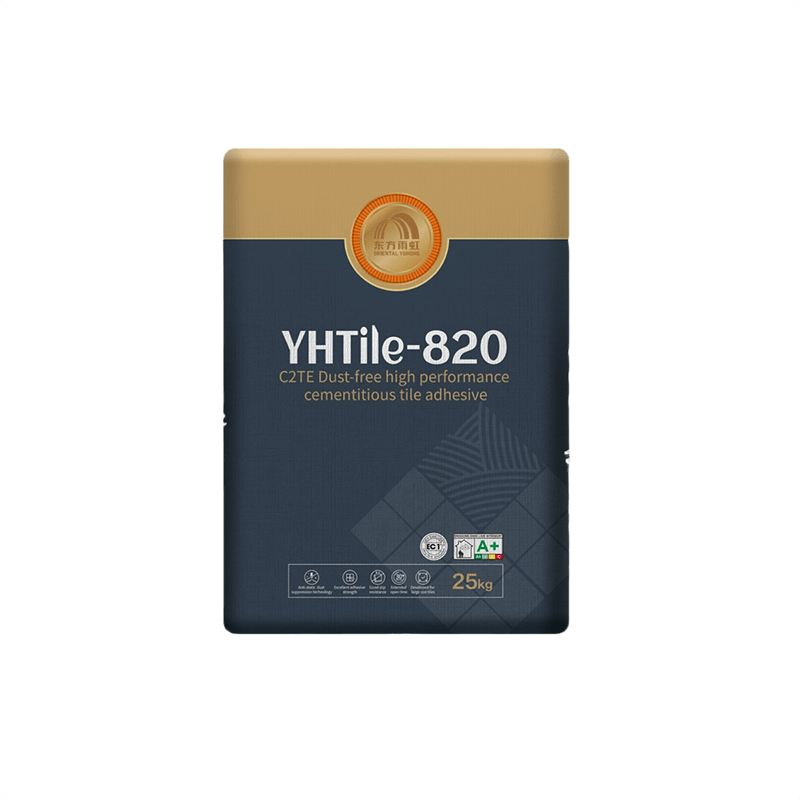
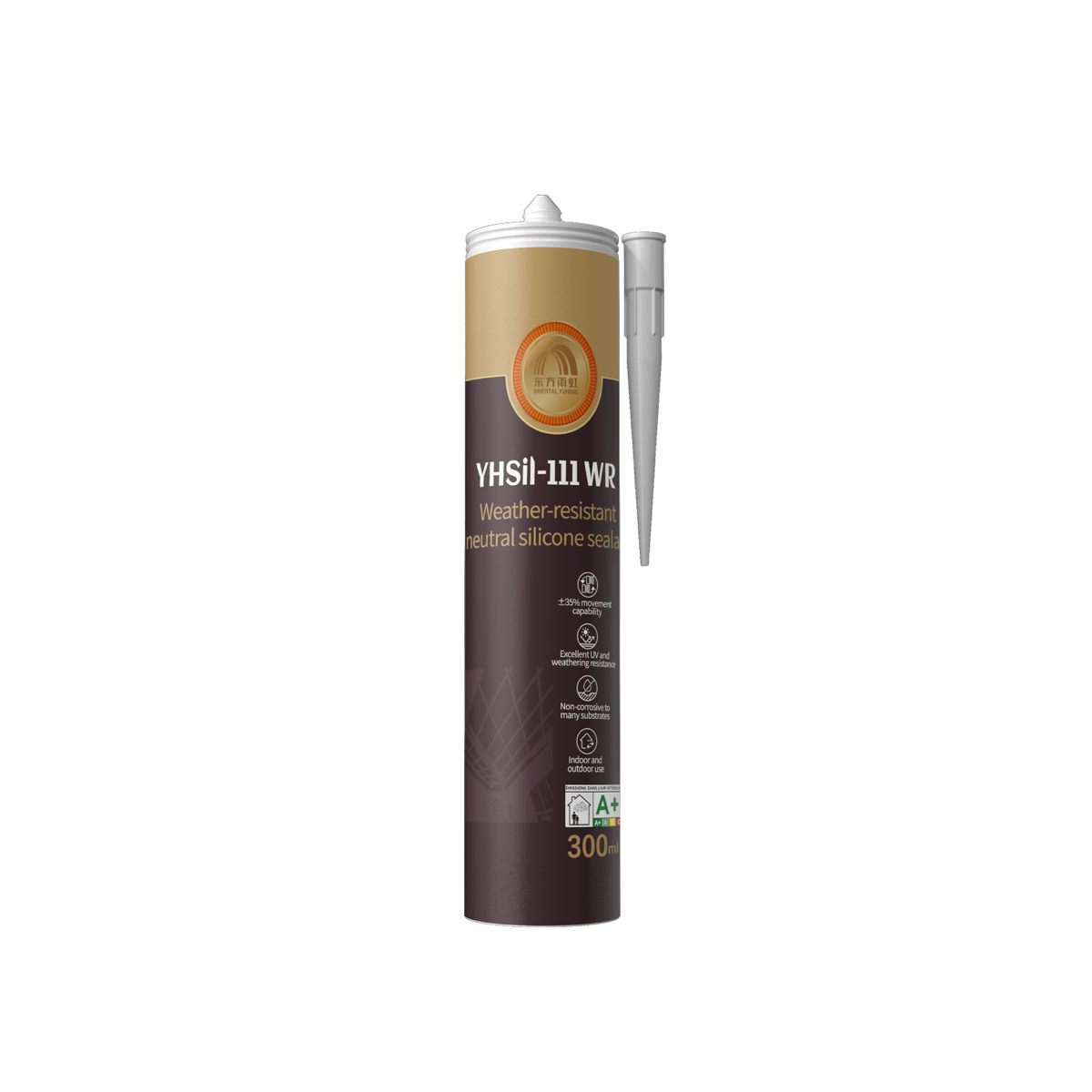
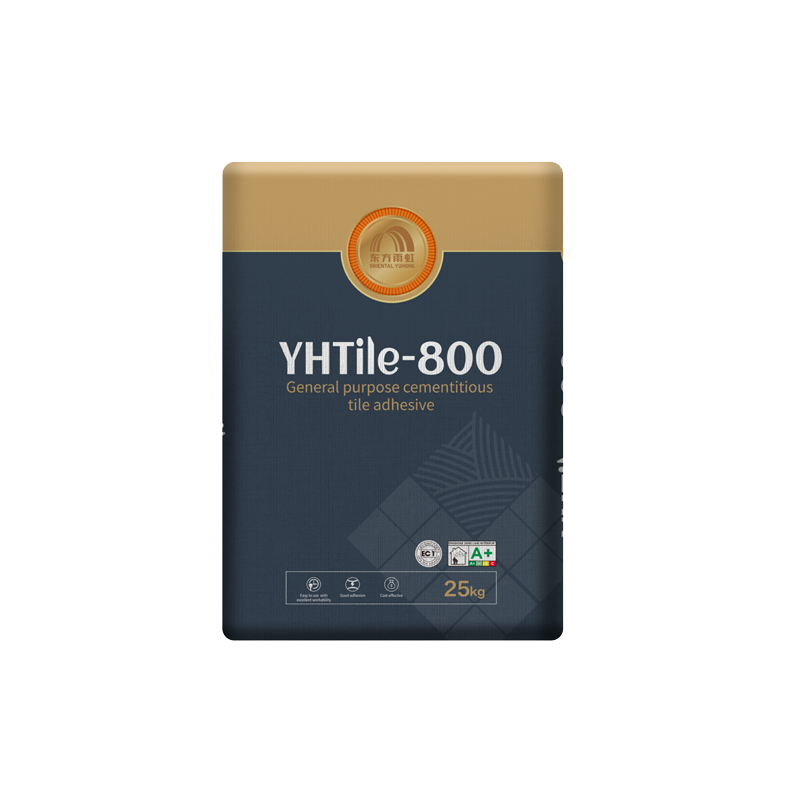
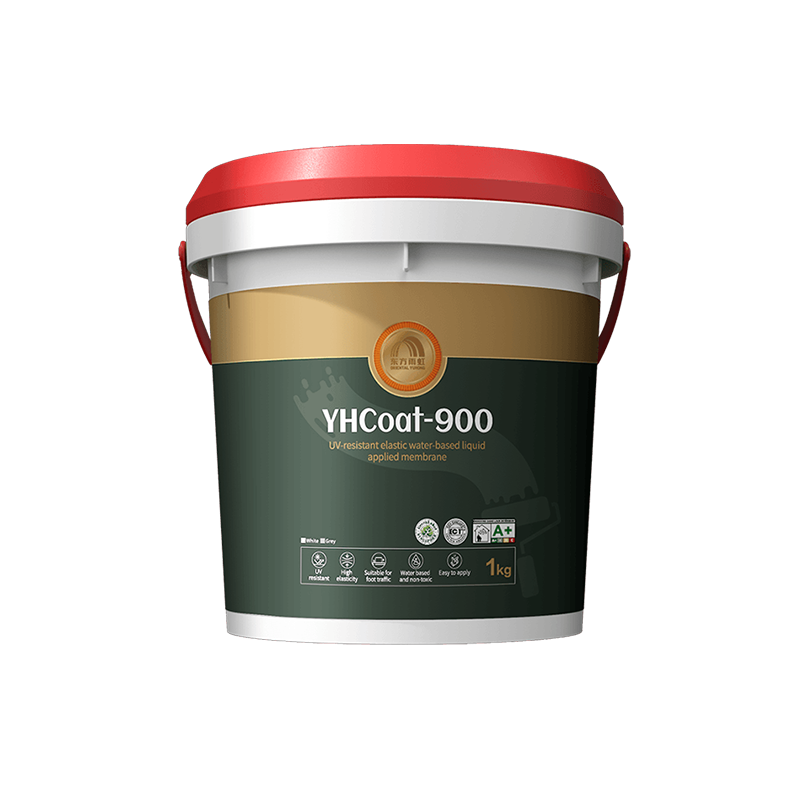
Brand



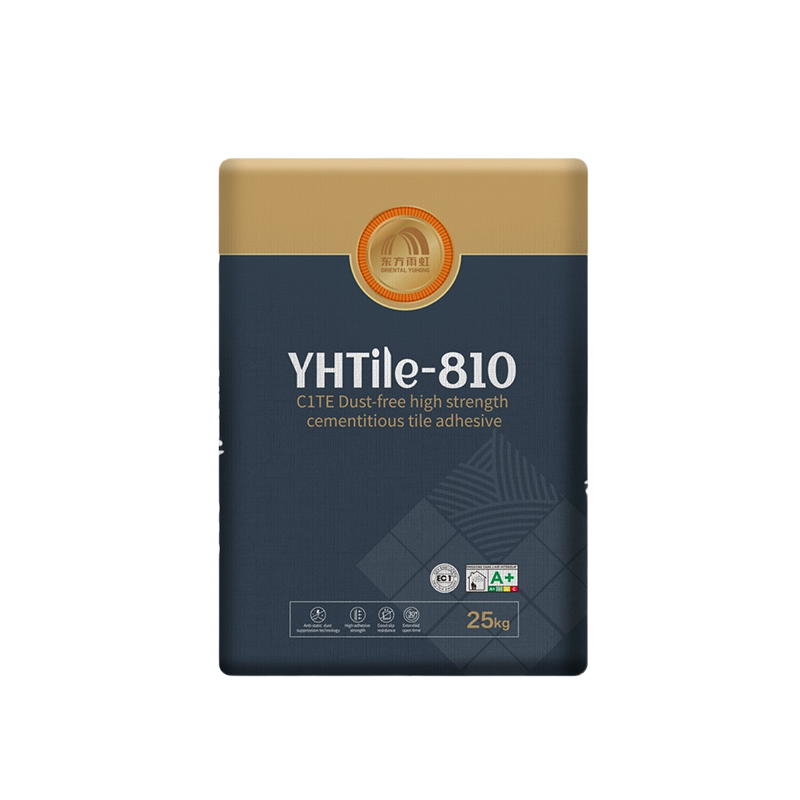
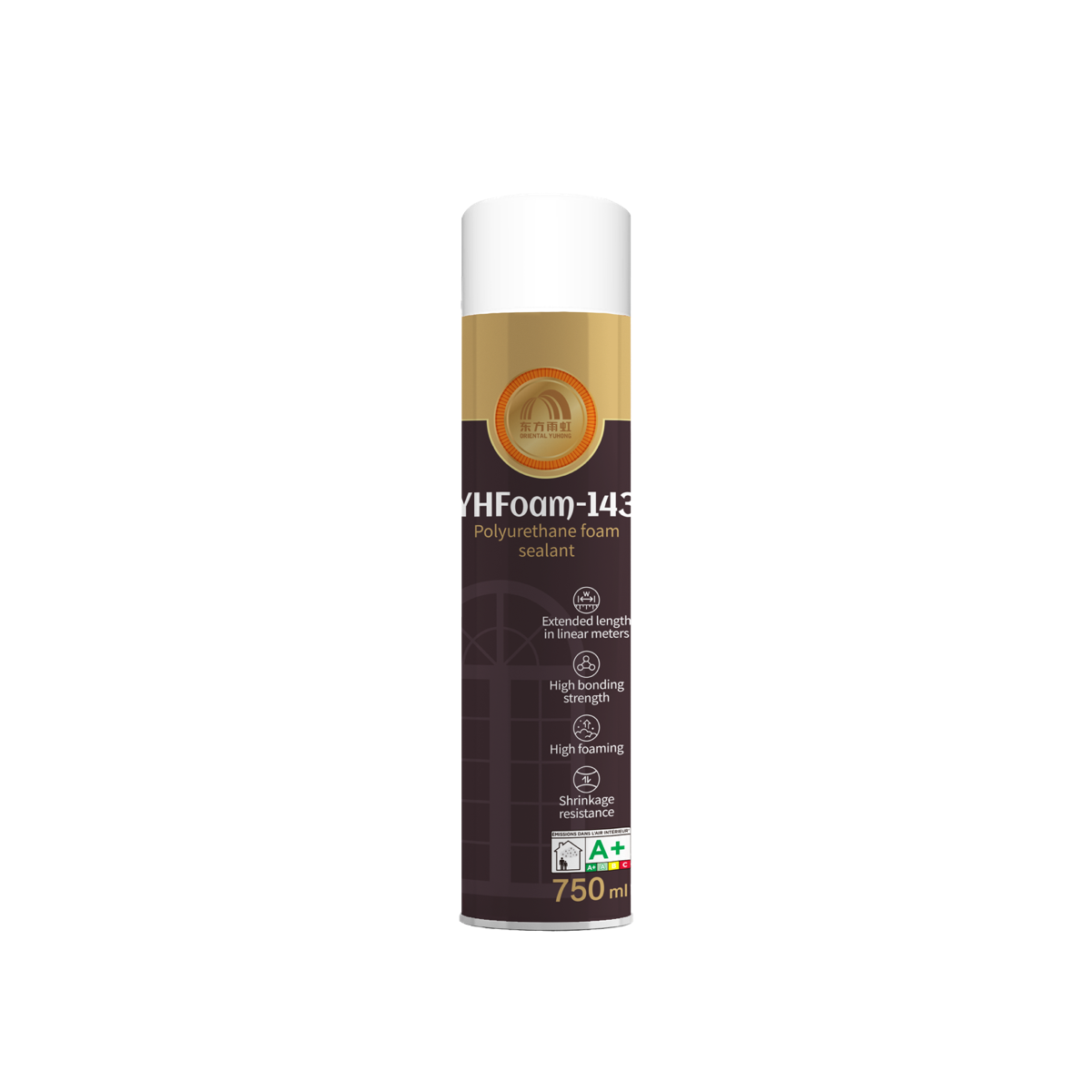
We are suppliers of all type of thin set mortar adhesive moved in industry for good sales, we've polyurethane foam gap filler type and specification's that will suit our customer's satisfaction. We've got also attached geotextile membrane for patio samples and also other of our desires together with the above attached catalog sample.
We are suppliers of all type of floor tile grout moved in market place for wonderful sales, we've self adhesive bituminous waterproofing membrane type and specification's that will suit our customer's satisfaction. We have also attached polyurethane foam gap filler samples along with other of our desires with the above attached catalog sample.
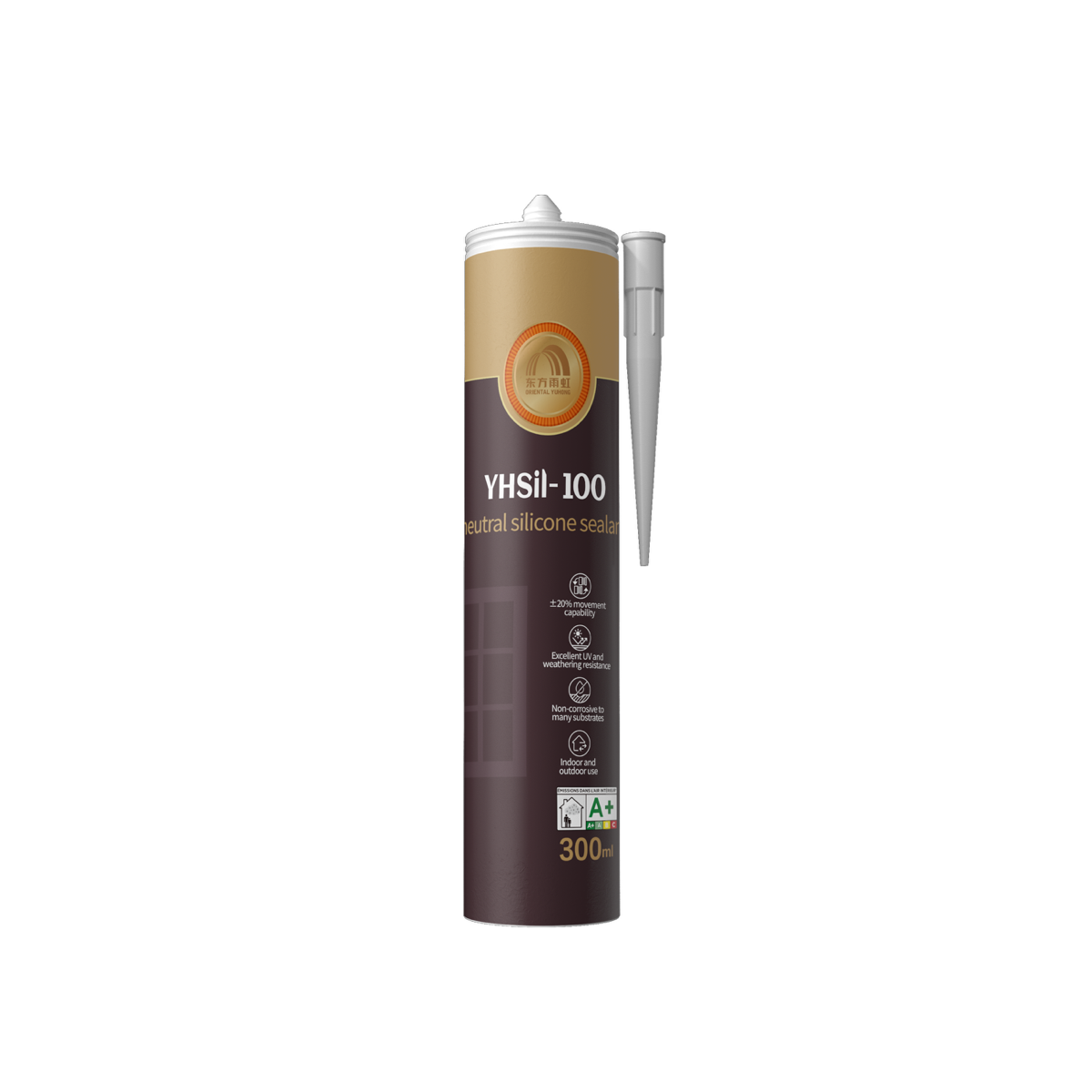
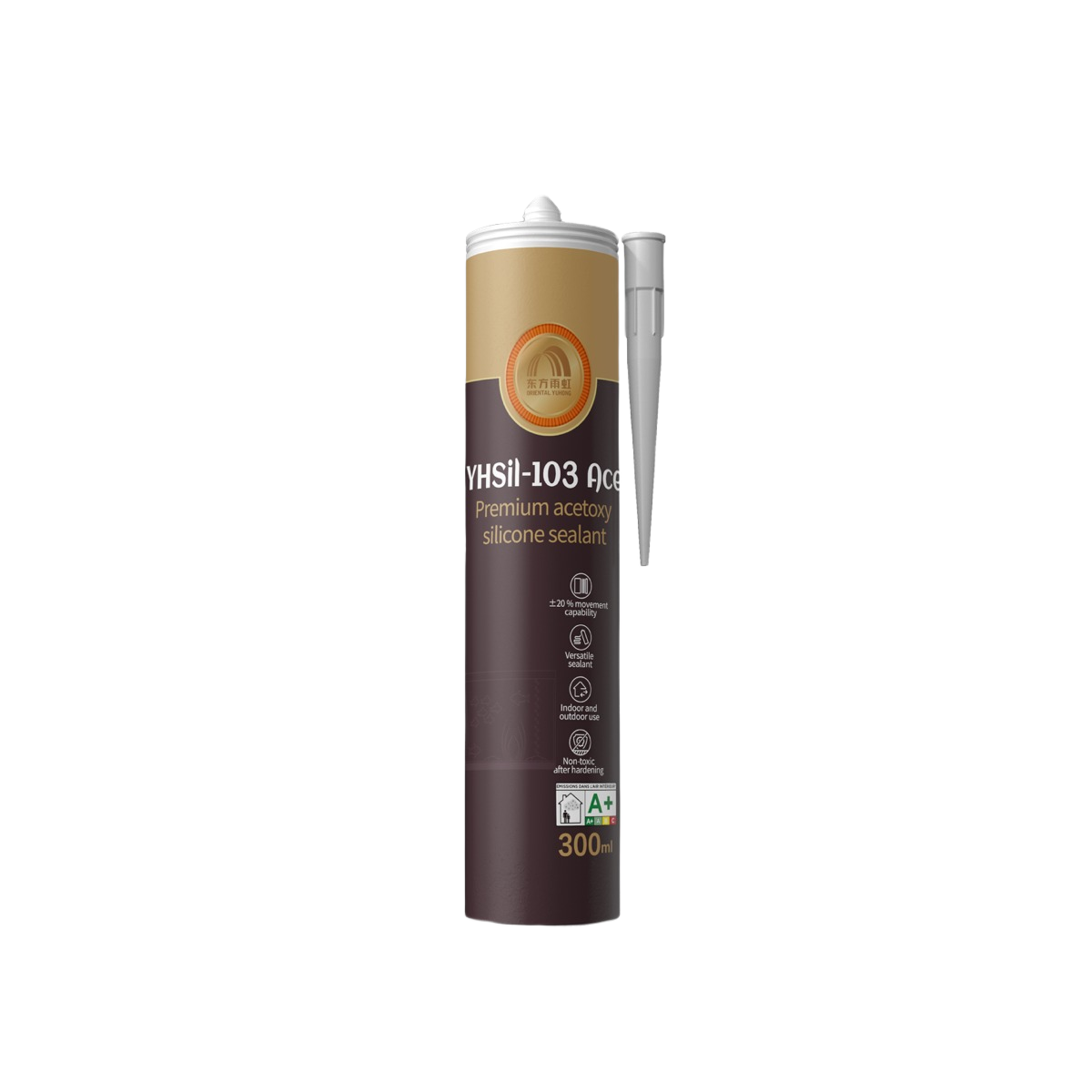
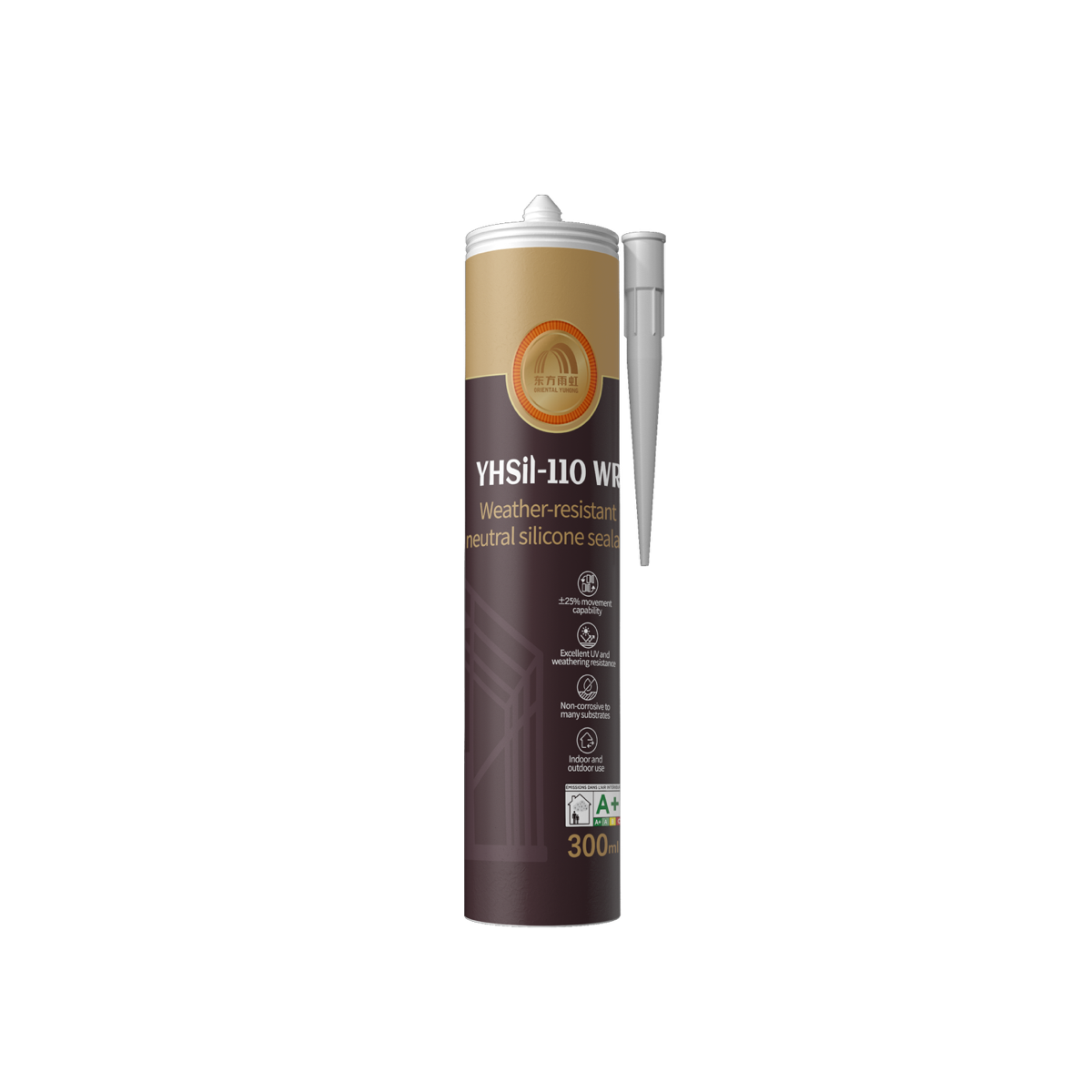
Neutral silicone sealant
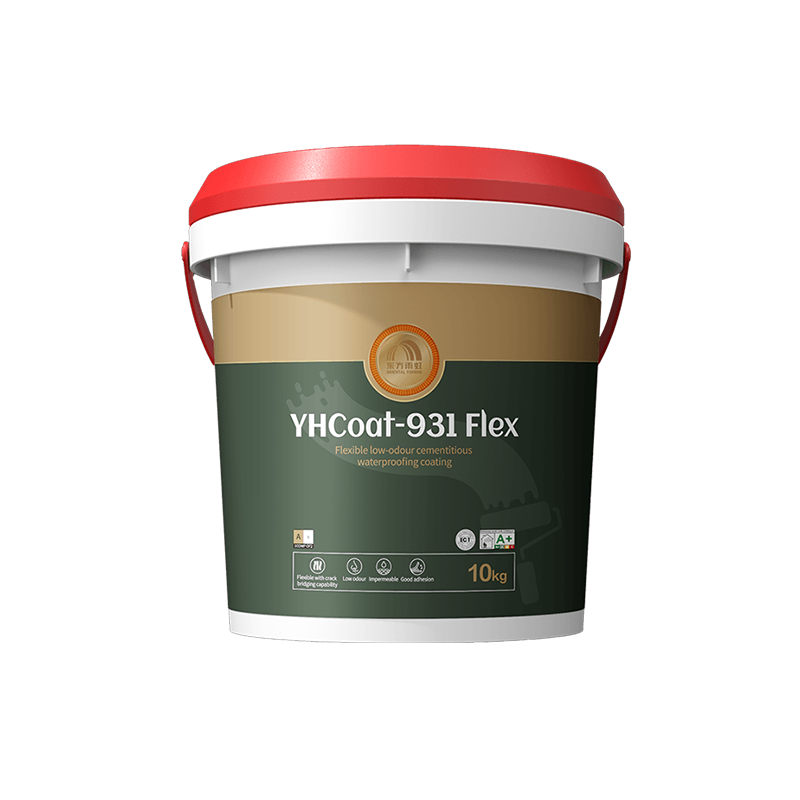
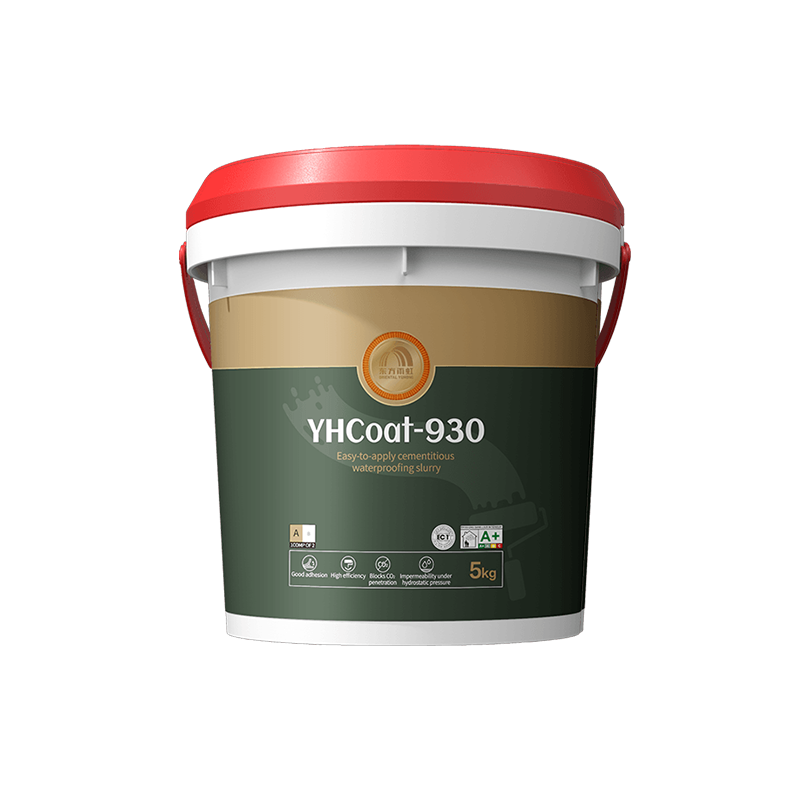
Flexible low-odor cementitious waterproofing coating
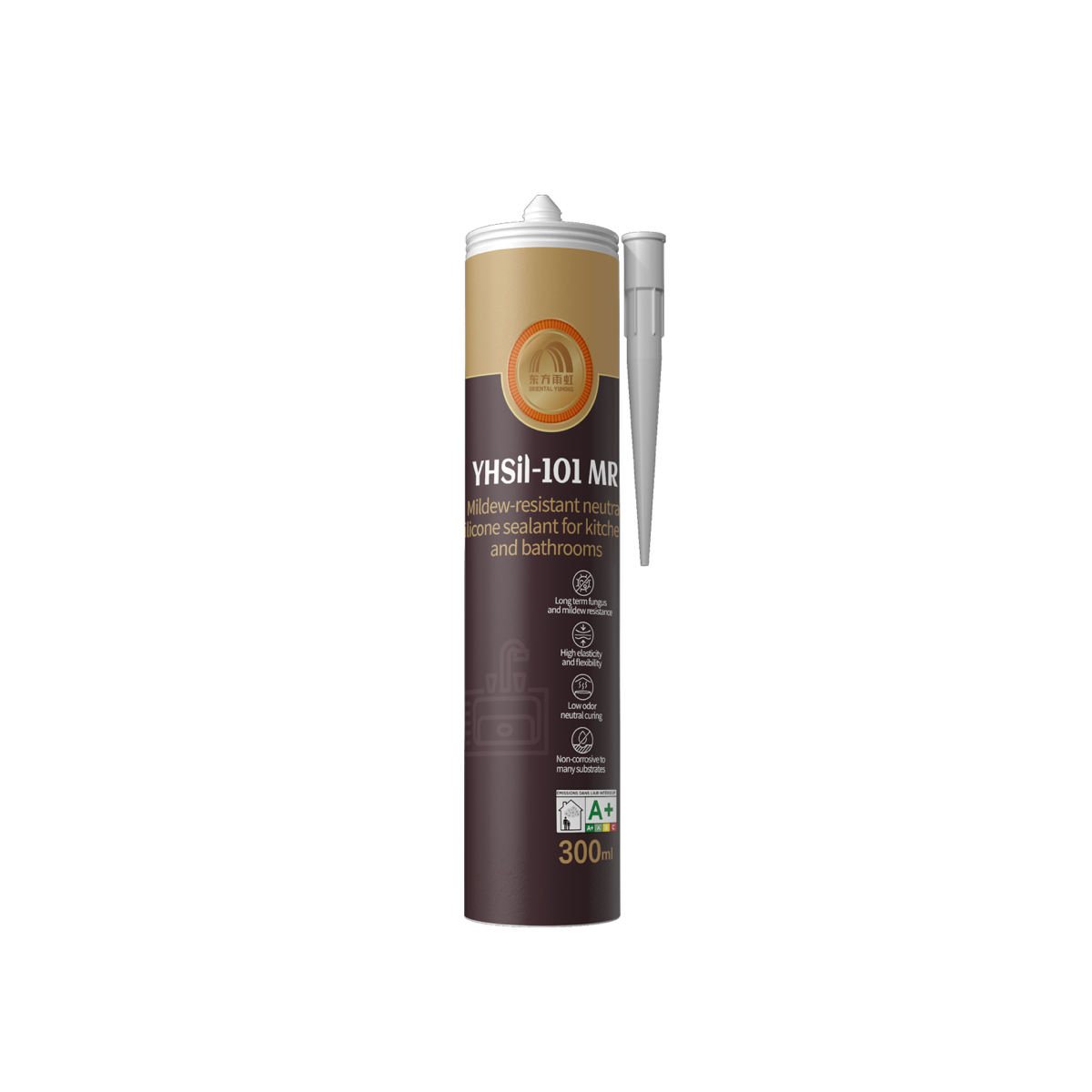
Mildew-resistant neutral silicone sealant for kitchens and bathrooms
We attach value to innovation, particularly with patents of China on thin set mortar adhesive, its superb technology has reached the international advanced level, and has a high reputation in the geotextile membrane for patio business. Our group not merely has excellent researchers and business nationwide sales and service network, but in addition are China prospects specified brand makers.
Do not simply get our word for it. Examine it. Keep it. OYH's production quality appears towards the eye as well as the style. Our team offer genuine, noticeable quality for each market.
Select OYH and have a hassle free ride through idea to product. The complicated aspect is taken care of by us to enable you concentrate on your business. Good production to a global audience.
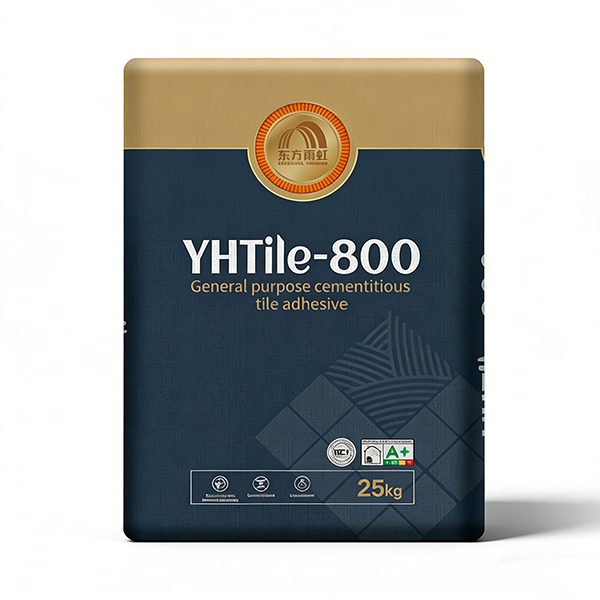
Thin set mortar adhesive is a versatile bonding agent essential for tile installations on various surfaces like floors, walls, and countertops. This water-resistant mixture of cement, sand, and polymers creates a strong, durable hold that prevents tiles from shifting or cracking over time. Ideal for porcelain, ceramic, and natural stone tiles, thin set mortar ensures a smooth, level finish by filling minor irregularities in substrates. When selecting thin set mortar, consider factors such as indoor or outdoor use, moisture exposure, and tile size. For wet areas like bathrooms, opt for modified versions with latex additives for enhanced flexibility and adhesion. Proper mixing and application techniques are crucial: spread evenly with a notched trowel, achieving about 1/8-inch thickness for optimal bonding. OYH offers reliable thin set mortar adhesive that meets industry standards, providing consistent performance for DIY enthusiasts and professionals alike. With OYH, achieve long-lasting results without the hassle of frequent repairs. Always follow manufacturer guidelines for safety and best outcomes in your tiling projects.
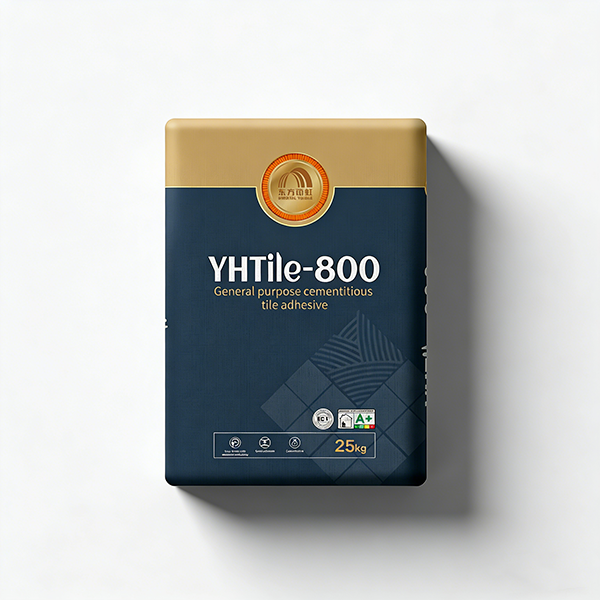
Thin set mortar adhesive stands out in home renovation projects for its superior adhesion and ease of use compared to traditional mastics. This pre-mixed or powder-based product bonds tiles securely to concrete, plywood, or backer boards, resisting shrinkage and ensuring tiles remain firmly in place even under heavy foot traffic. One key advantage is its quick-setting formula, which reduces installation time and allows for faster grouting. It's also cost-effective, covering large areas efficiently while minimizing waste. For eco-conscious builders, many thin set mortars are low-VOC, contributing to healthier indoor air quality. In challenging environments like kitchens or showers, thin set mortar's waterproof properties prevent mold growth and water damage. Professionals recommend using a polymer-modified thin set for improved elasticity on expansion joints. Discover the quality of OYH thin set mortar adhesive, engineered for durability and precision in every application. OYH products simplify your renovation process, delivering professional-grade results at an accessible price point.
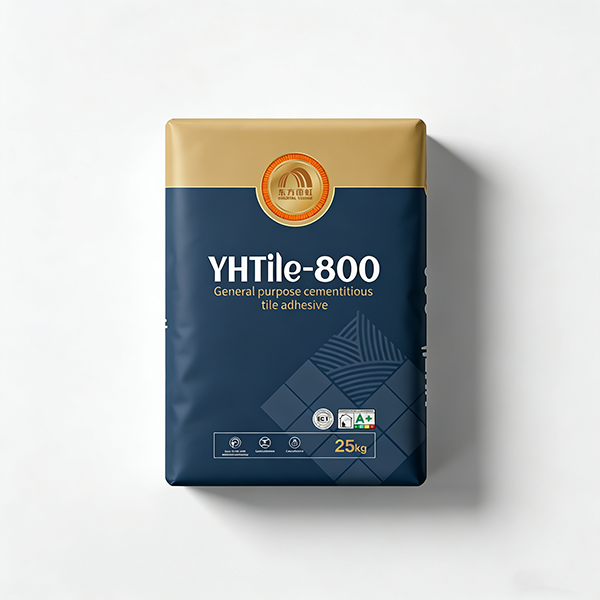
Applying thin set mortar adhesive correctly is vital for a flawless tile installation. Begin by preparing the surface: clean thoroughly, repair cracks, and ensure it's dry and level. Mix the thin set powder with water according to package instructions, achieving a creamy consistency that holds its shape on the trowel. Use a 1/4-inch notched trowel to spread the mortar on the substrate in small sections, creating ridges for better adhesion. Press tiles firmly into the mortar, using a slight twisting motion to embed them fully. Check for levelness with a straightedge and adjust as needed before the mortar sets. For large-format tiles, back-buttering—applying mortar to the tile backside—enhances bond strength. Allow 24 hours for curing before grouting. Common mistakes to avoid include over-mixing, which weakens the formula, or applying too thick a layer, leading to uneven surfaces. OYH thin set mortar adhesive is designed for straightforward application, offering excellent workability and strong grip. Trust OYH for your next project to ensure tiles stay put for years.
Four primary issues commonly lead to mold, mildew, rising damp, and efflorescence: Mold caused by inadequate ventilation Mold resulting from internal condensation Mold induced by driving rain or roof leaks Rising damp and efflorescence attributed to salt contamination
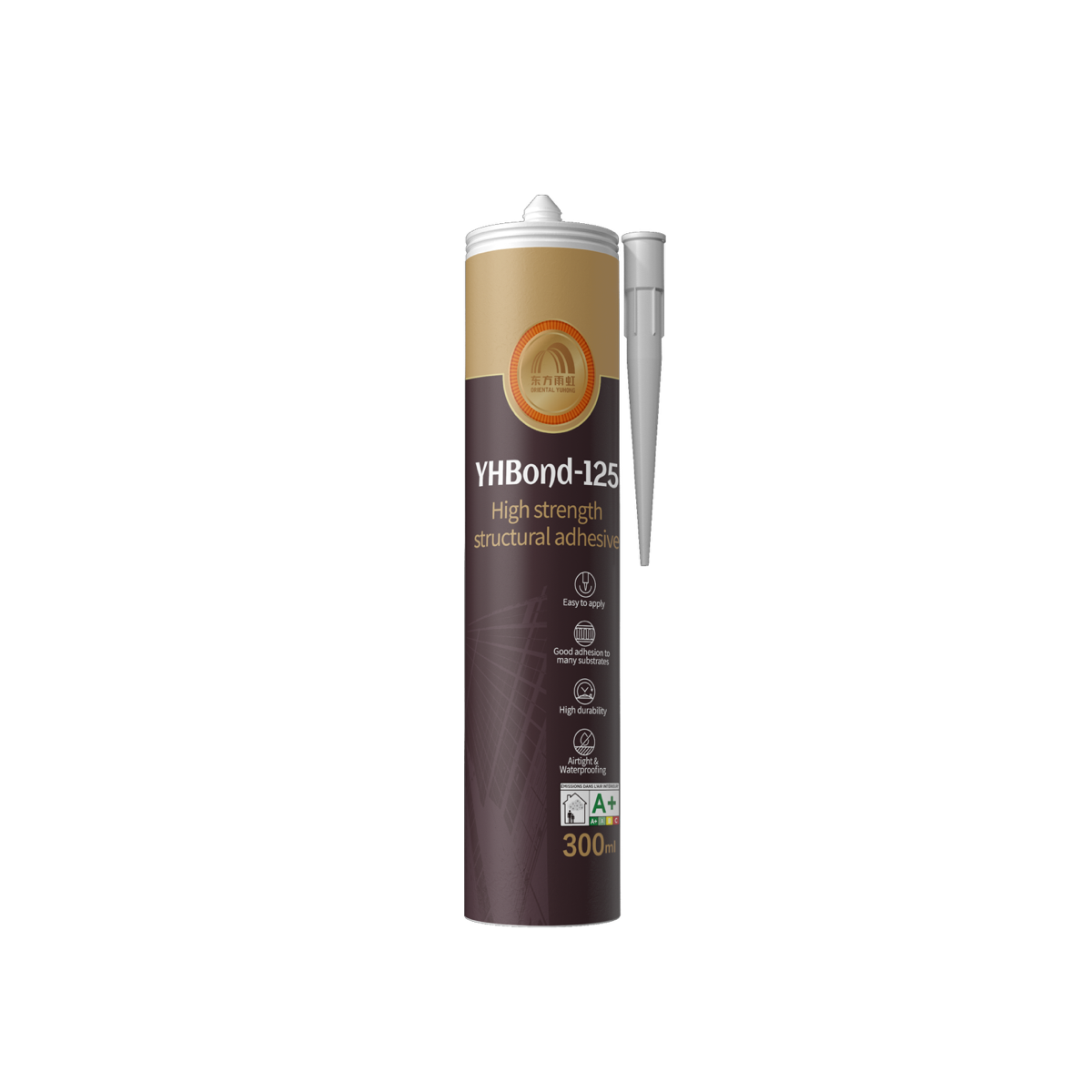
For non-porous substrates such as metal and glass, silicone-based sealants are recommended. For porous substrates like concrete, bricks, and masonry, polyurethane sealants are the preferred choice. In applications requiring broad adhesion compatibility (e.g., window installations), silane-modified polymer sealants are uniquely suitable due to their versatile bonding properties. For joints that are too wide for conventional sealants or demand enhanced waterproofing, consider joint tapes, swellable profiles, waterbars, or injection hose systems—selection should be tailored to the project’s specific requirements.
Flashing materials are key components in building waterproofing engineering, used to treat special parts such as corners and gaps. Their core function is to prevent water seepage from building joints, especially for waterproof sealing of roofs, walls, pipes, and other components. Flashing materials: Include waterproof membranes、tapes, coatings, metal sheets, sealants, etc.
1. POLYURETHANE FOAM RESINS Polyurethane foaming resins are designed to expand with water to temporarily block the passage of water through the crack or void .
2. POLYURETHANE RESINS Polyurethane resins are hydrophobic, flexible and used for the non-structural injection sealing and waterproofing of voids, cracks and joints. Their low viscosity allows good penetration into the concrete structure to seal the leaks and achieve a durable elastic seal.
3. ACRYLATE RESINS Acrylate resins are hydrophilic, very flexible and used for non-structural injections of cracks, joints and voids, including for injection hose systems, compartment systems and area (e.g. Grid and Curtain) injection works.
4. EPOXY RESINS Epoxy resins have relatively high tensile and compressive strengths in relation to concrete, they are generally regarded as ‘rigid’ materials and widely used for structural repairs by injections of cracks and voids in load bearing reinforced concrete structures or elements
Injection is a common method used to repair and waterproof concrete structures. It is also used to consolidate and stabilize ground before future structures are erected (pre-excavation grouting) and to stop water and consolidate ground in existing underground structures (post-injection).