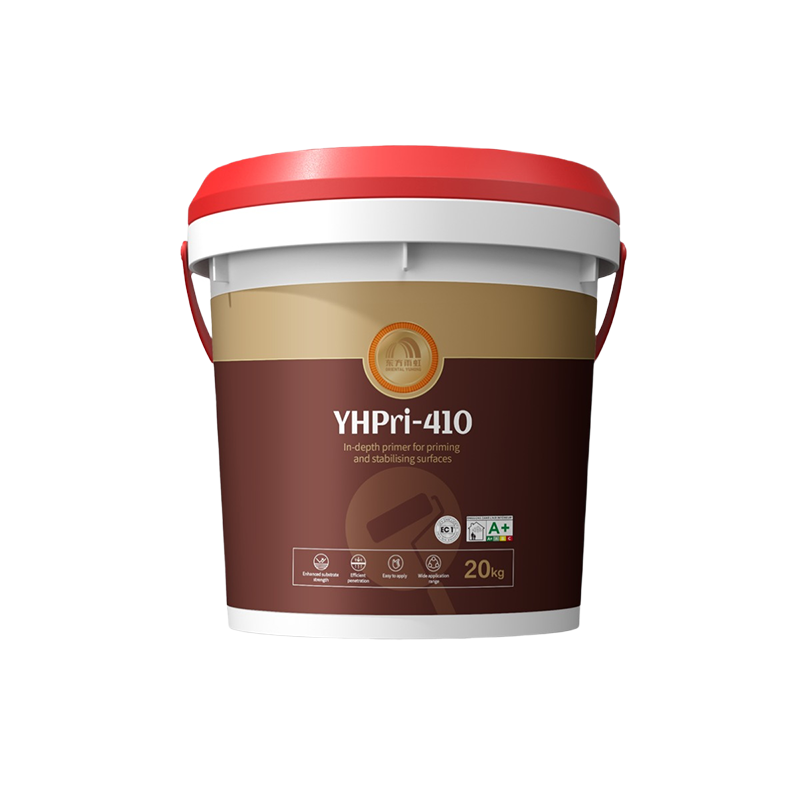
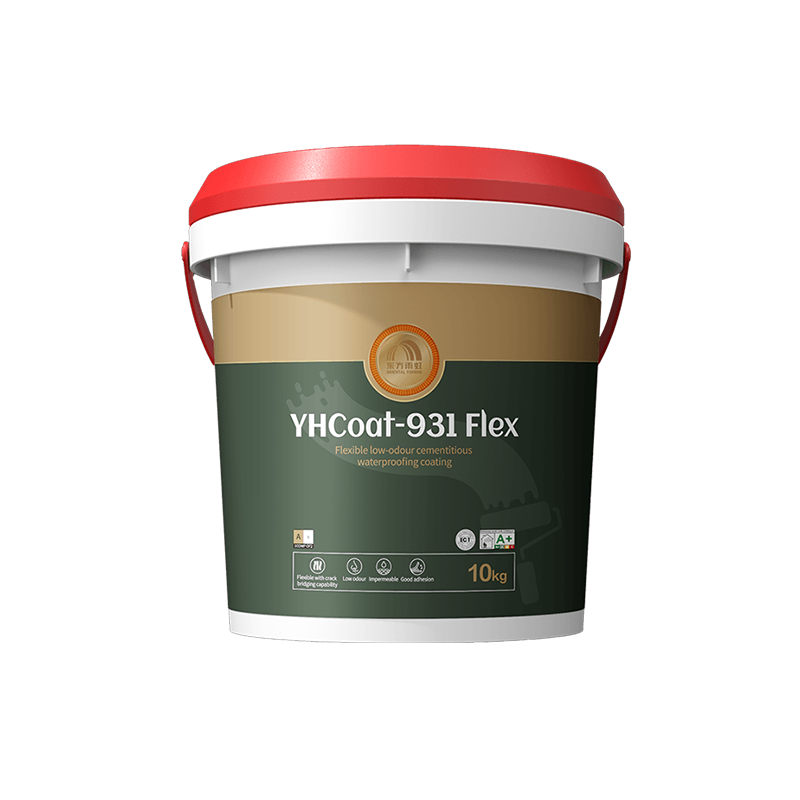
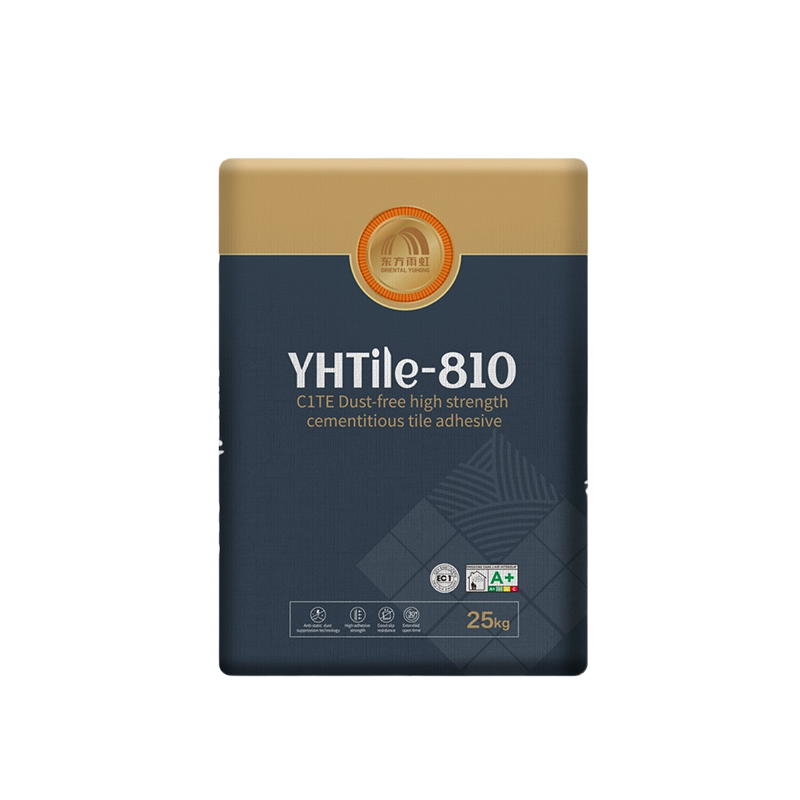
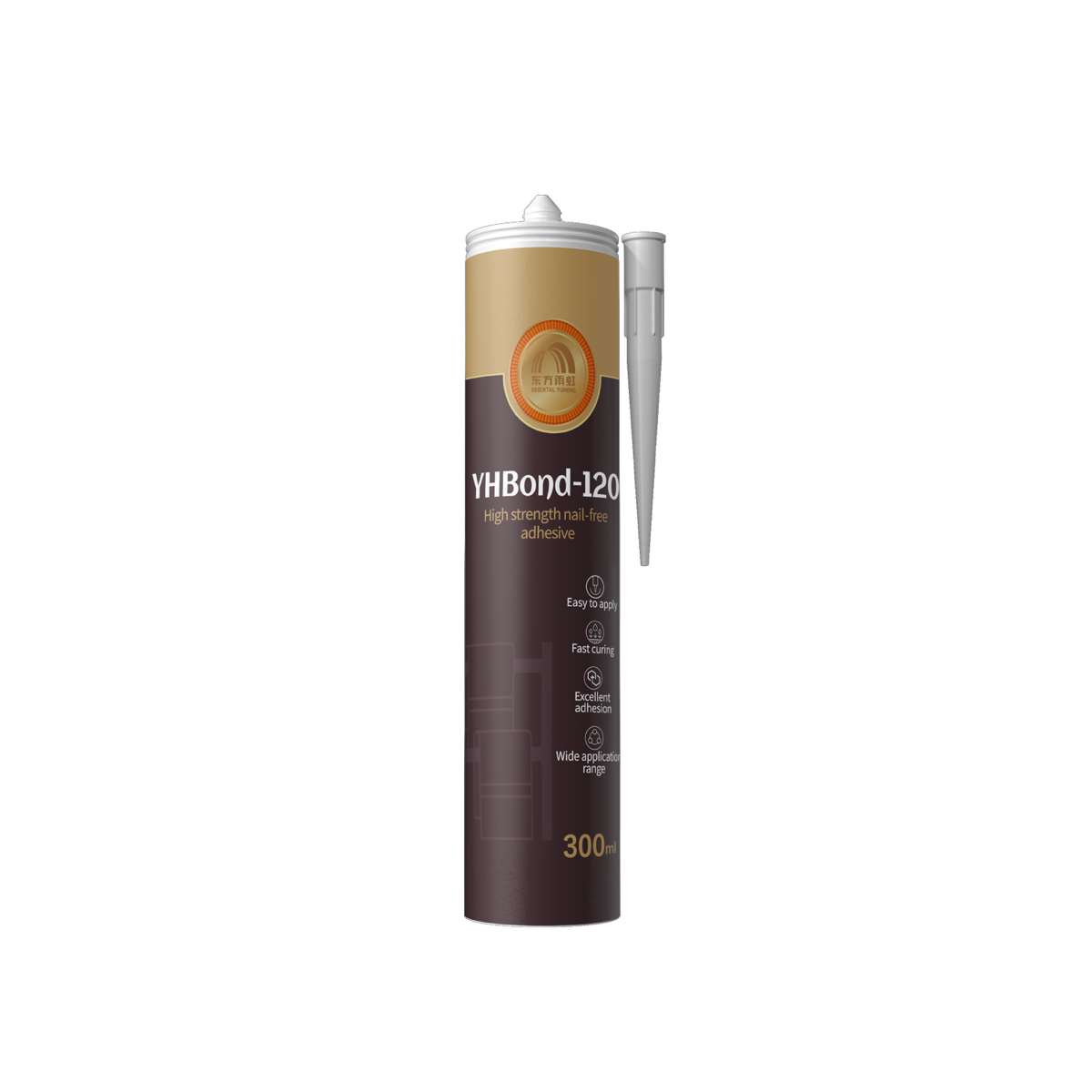
Brand



Our corporation primarily engaged and export polyurethane foam sealant. we depend on strong technical force and continually create sophisticated technologies to meet the demand of roof waterproofing solutions shoppers. We're sincerely welcome buddies from many circles at property and abroad come to cooperate!
Polyurethane Spray Sealant will be the product that we've got continued to emerge inside the China marketplace and achieved excellent reputation. Our items advertising and marketing network at all more than the China regions. Extra than 10 years, we have developed into a high-volume, multi-function with the qualities, it could totally meet the demands on the cement paste for tiles industry.
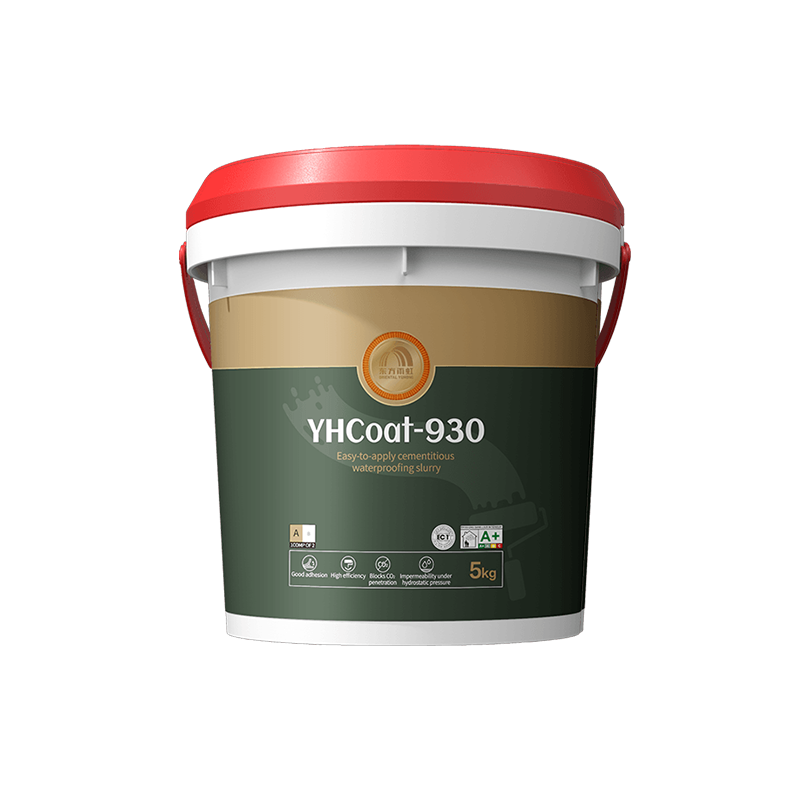
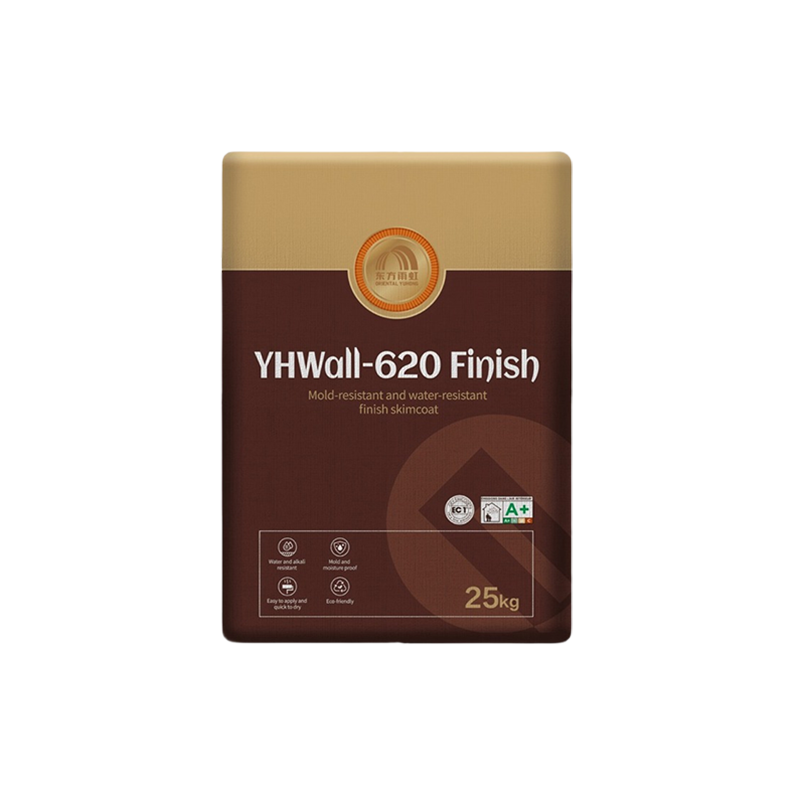
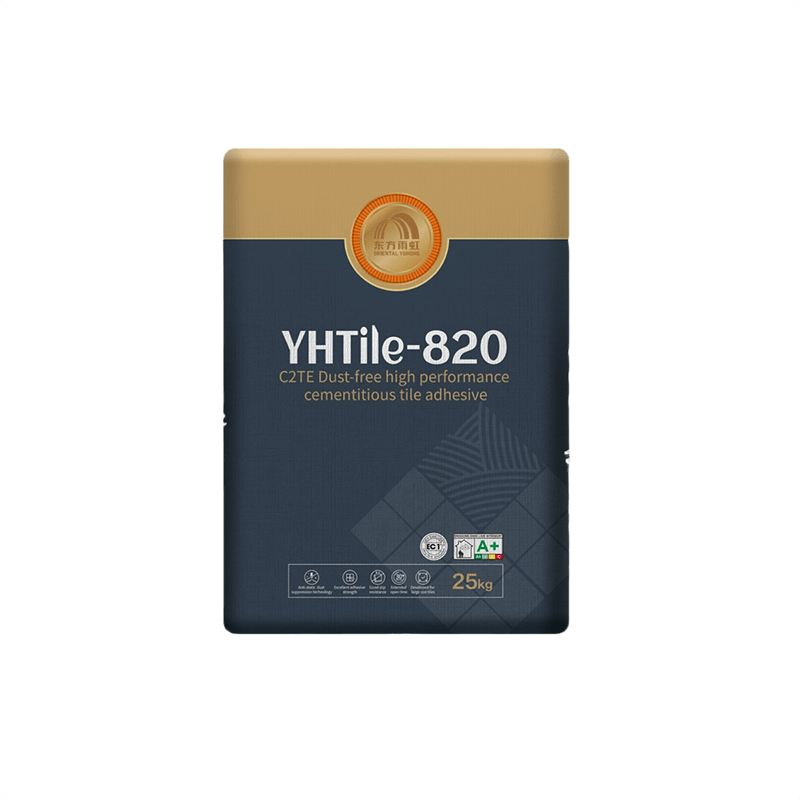
Easy-to-apply Cementitious Waterproofing Slurry
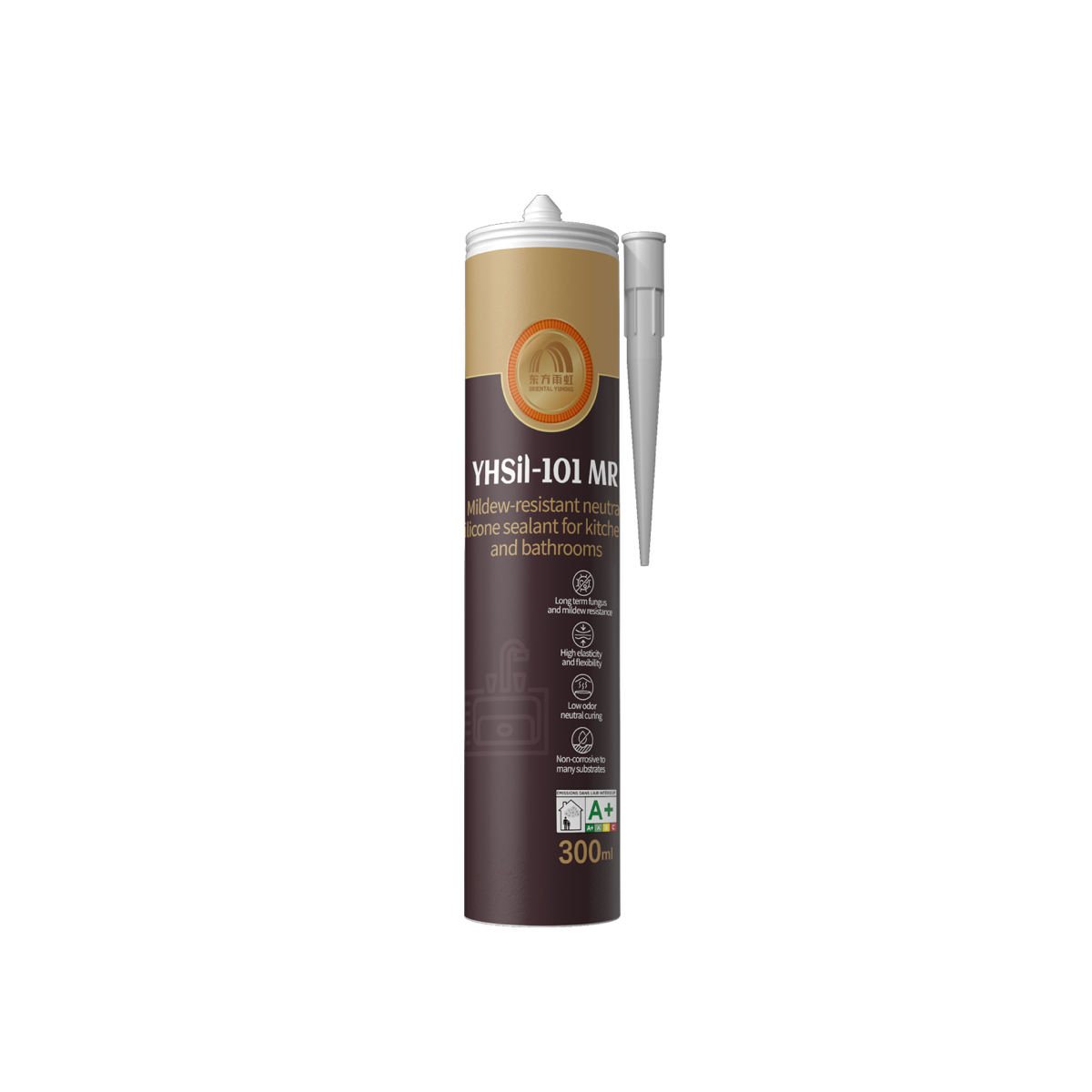
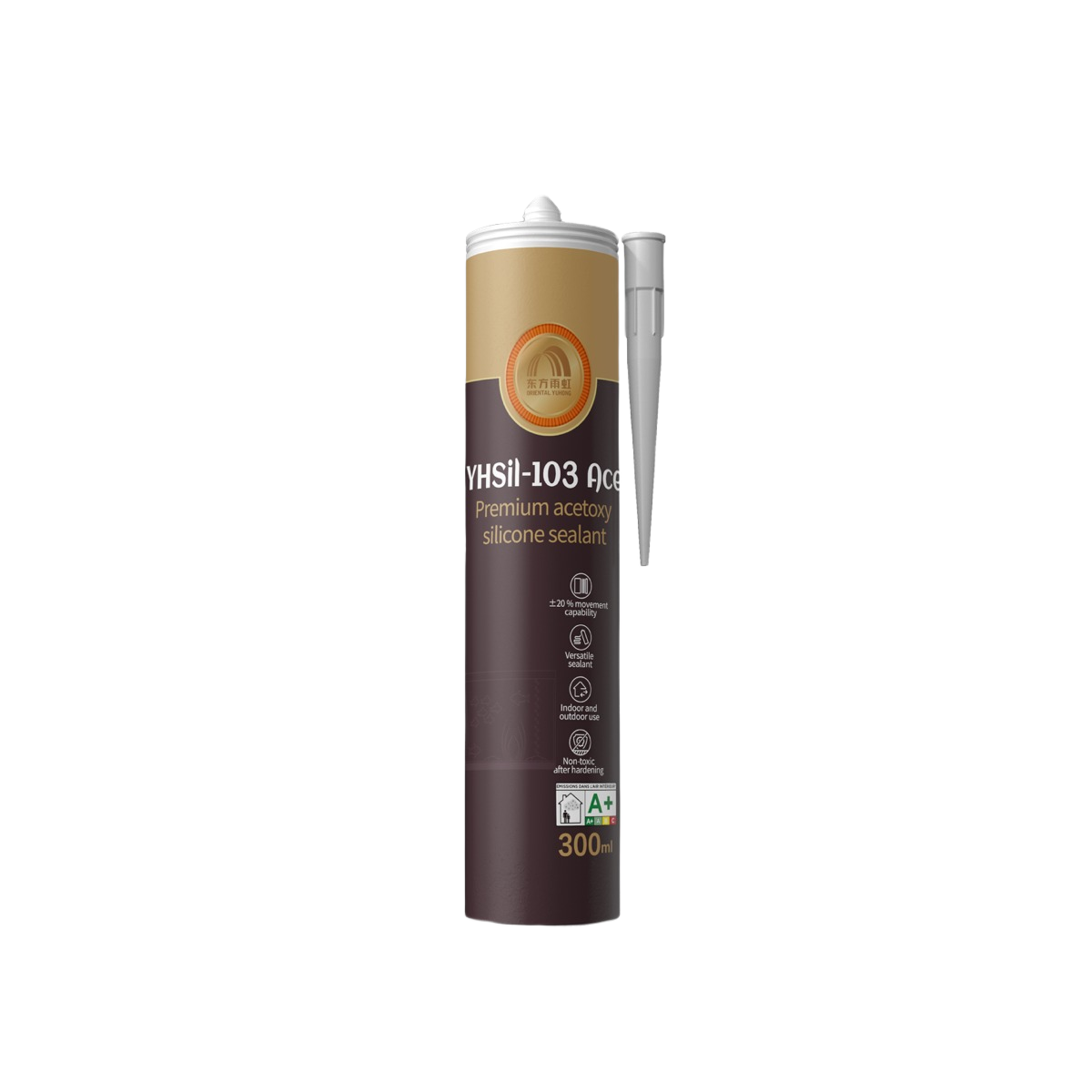
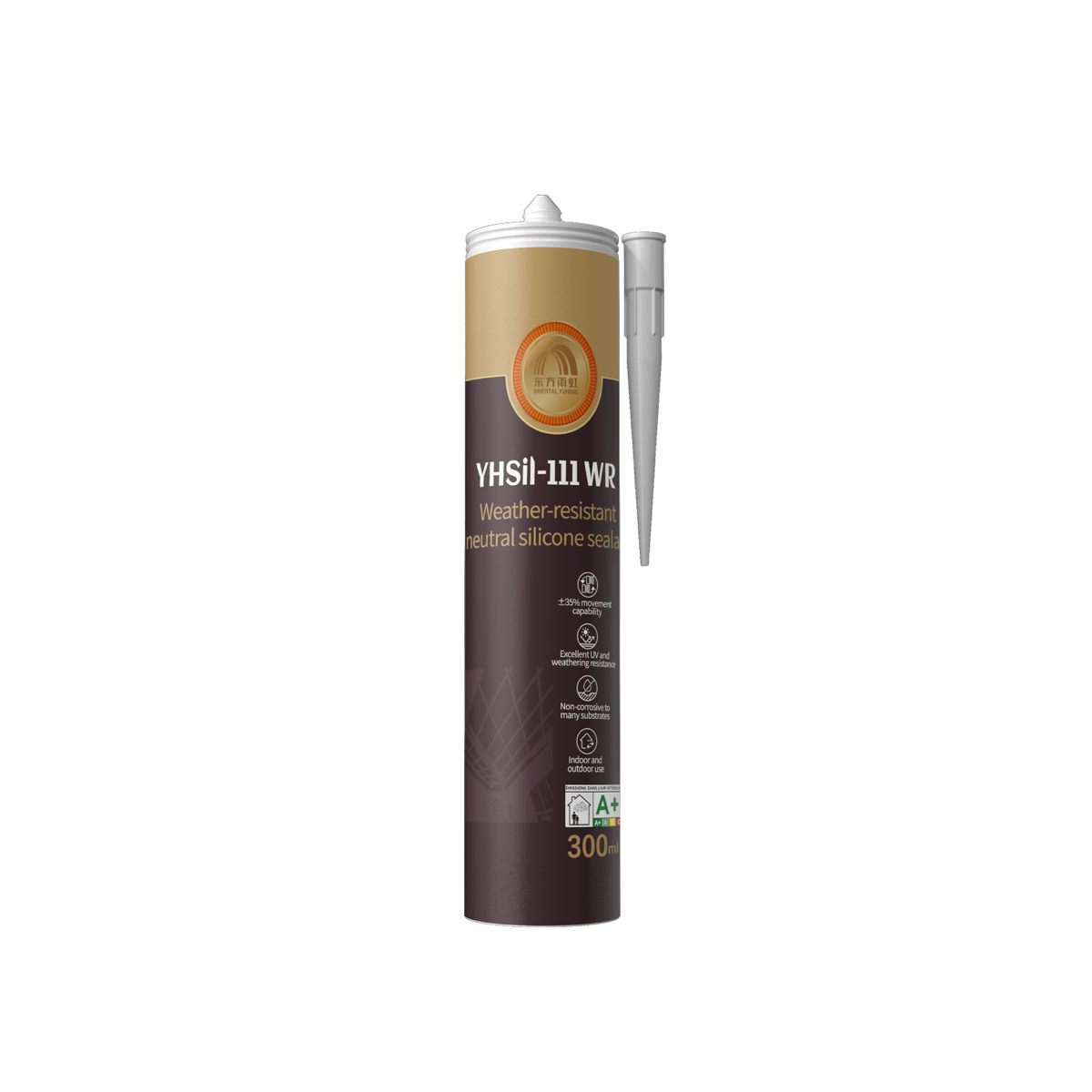
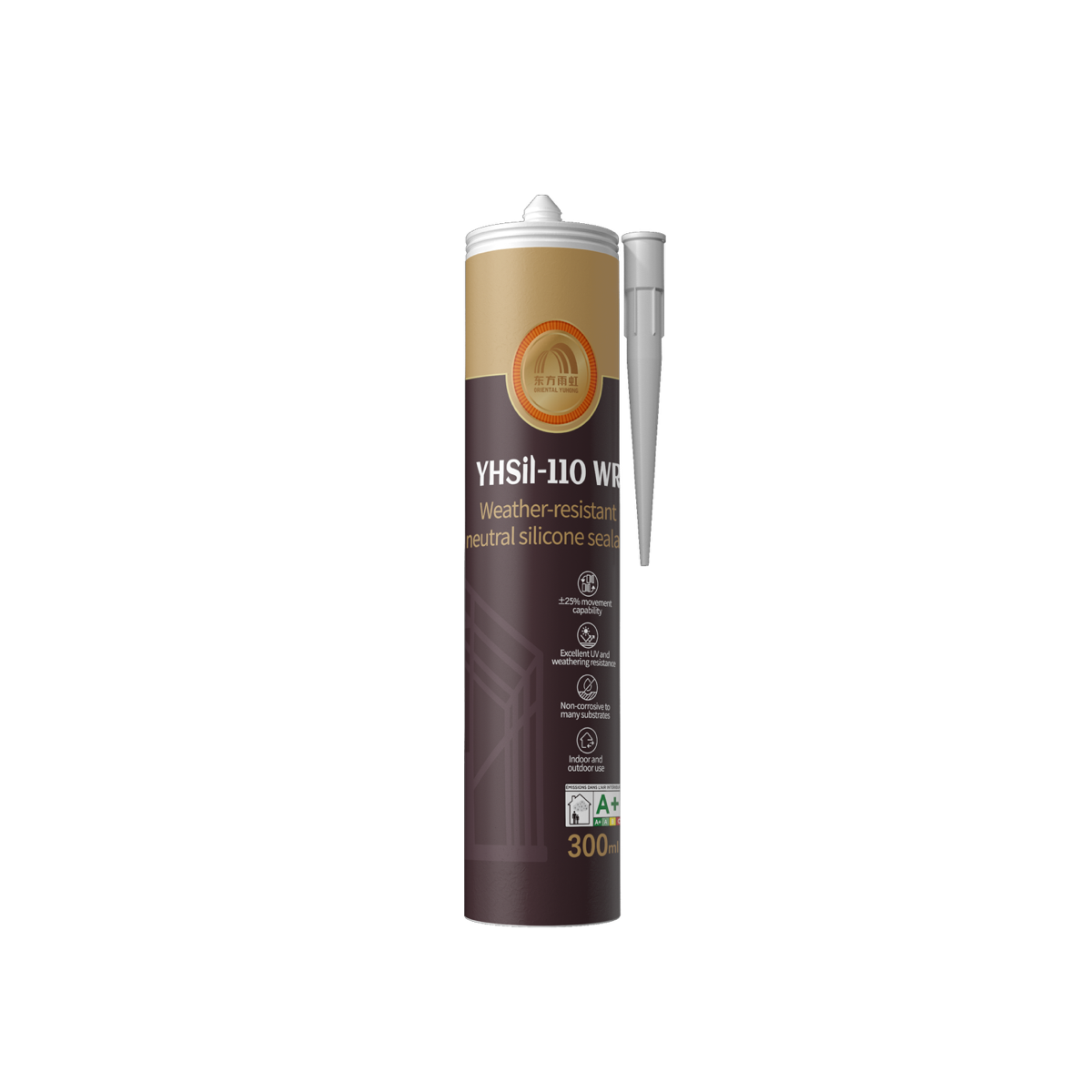
Mildew-resistant neutral silicone sealant for kitchens and bathrooms
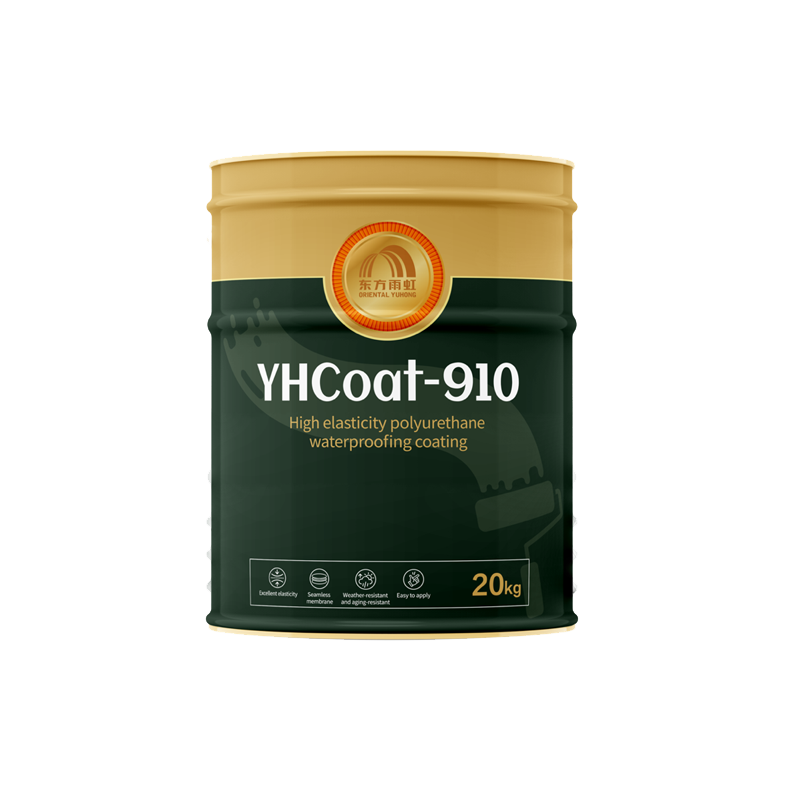
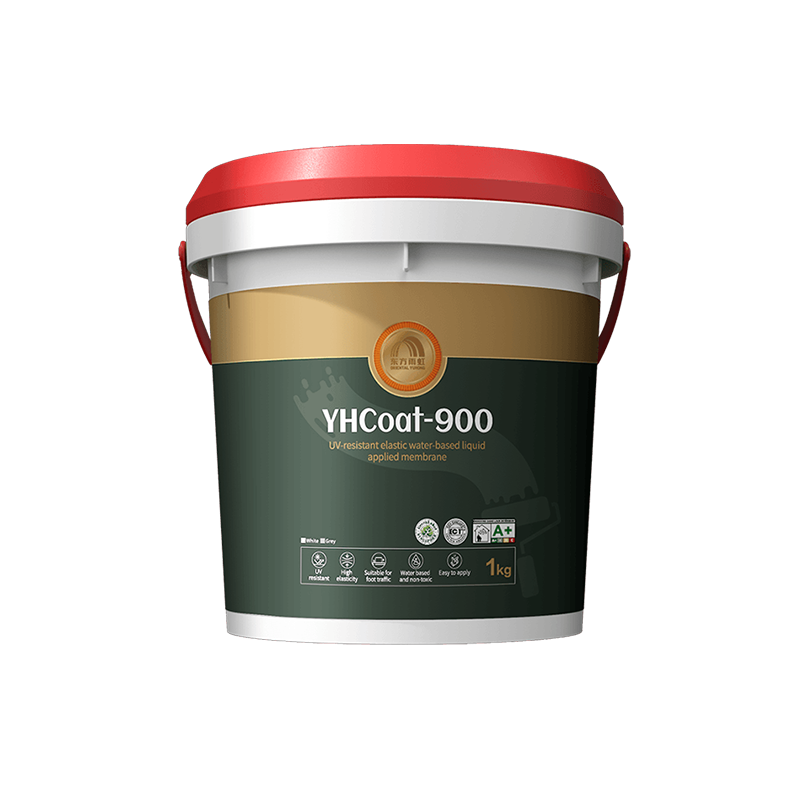
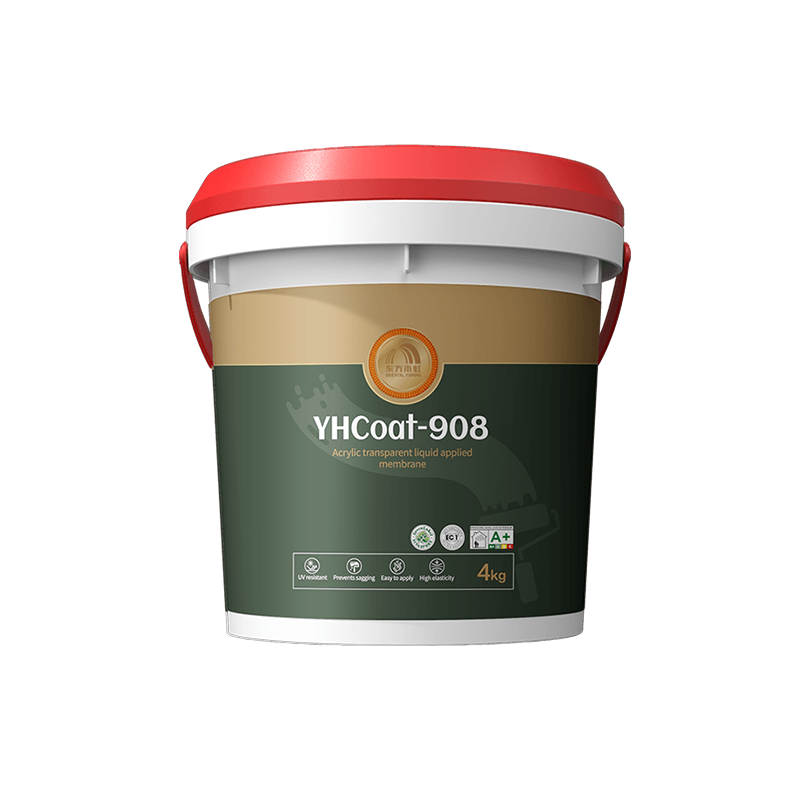
High elasticity polyurethane waterproofing coating
Our firm mainly engaged and export polyurethane foam sealant. we rely on robust technical force and regularly create sophisticated technologies to meet the demand of ceramic cement glue consumers. We are sincerely welcome buddies from various circles at house and abroad come to cooperate!
The timely delivery of goods is incorporated into the process of OYH. We control all processes between raw materials to end shipment; this is to ensure timely ships are ready.
OYH provides transparency in quality. View exactly how each element suits thoroughly. Feeling the stamina of every set up. Our worldwide exports bring this trademark of reliable production.
When manufacturing is required that covers distance, pick OYH. We establish the confidence of delivering the overseas shipment to you whenever it is accurate, timely and of high quality.
OYH provides a napkin sketch to a packed product. We have a process that is transparent, communication that is transparent and quality that is exportable worldwide.
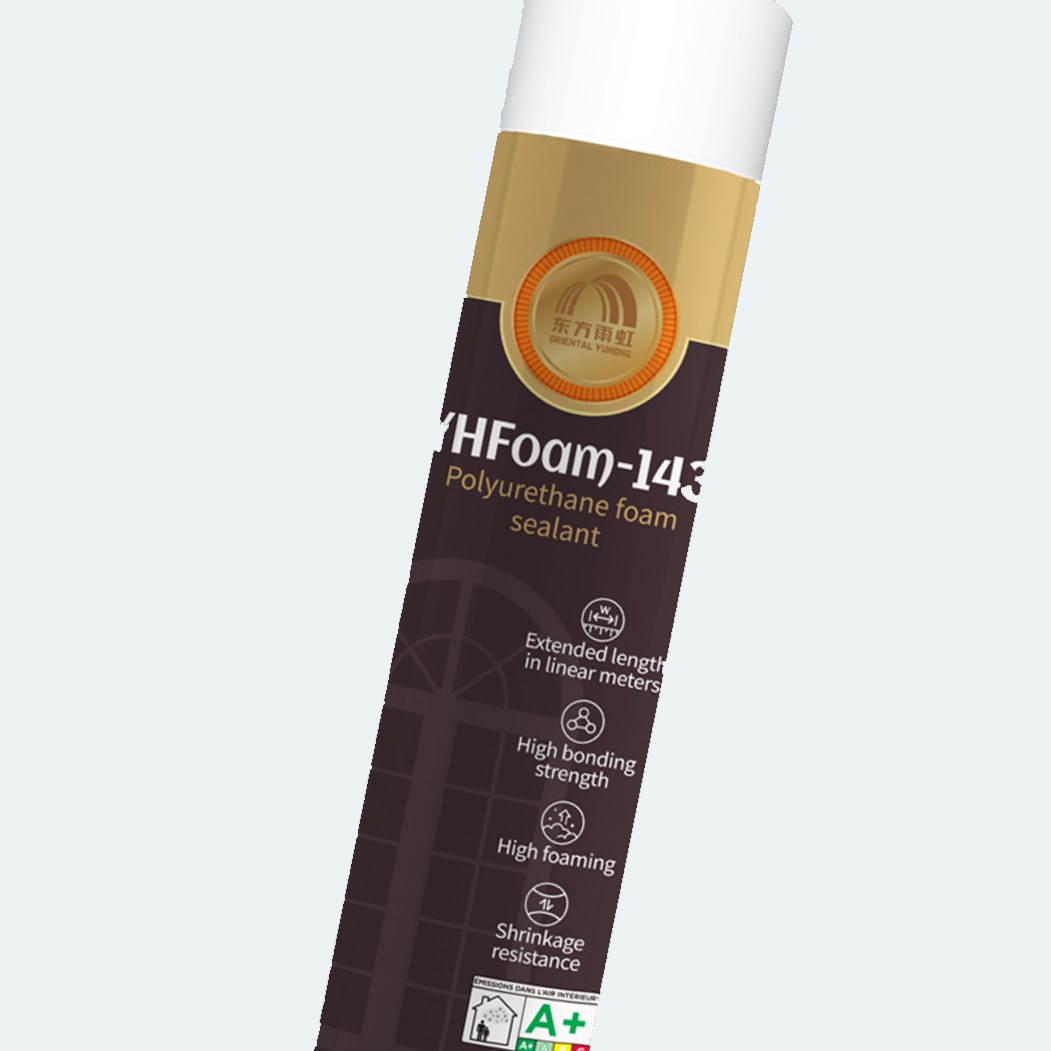
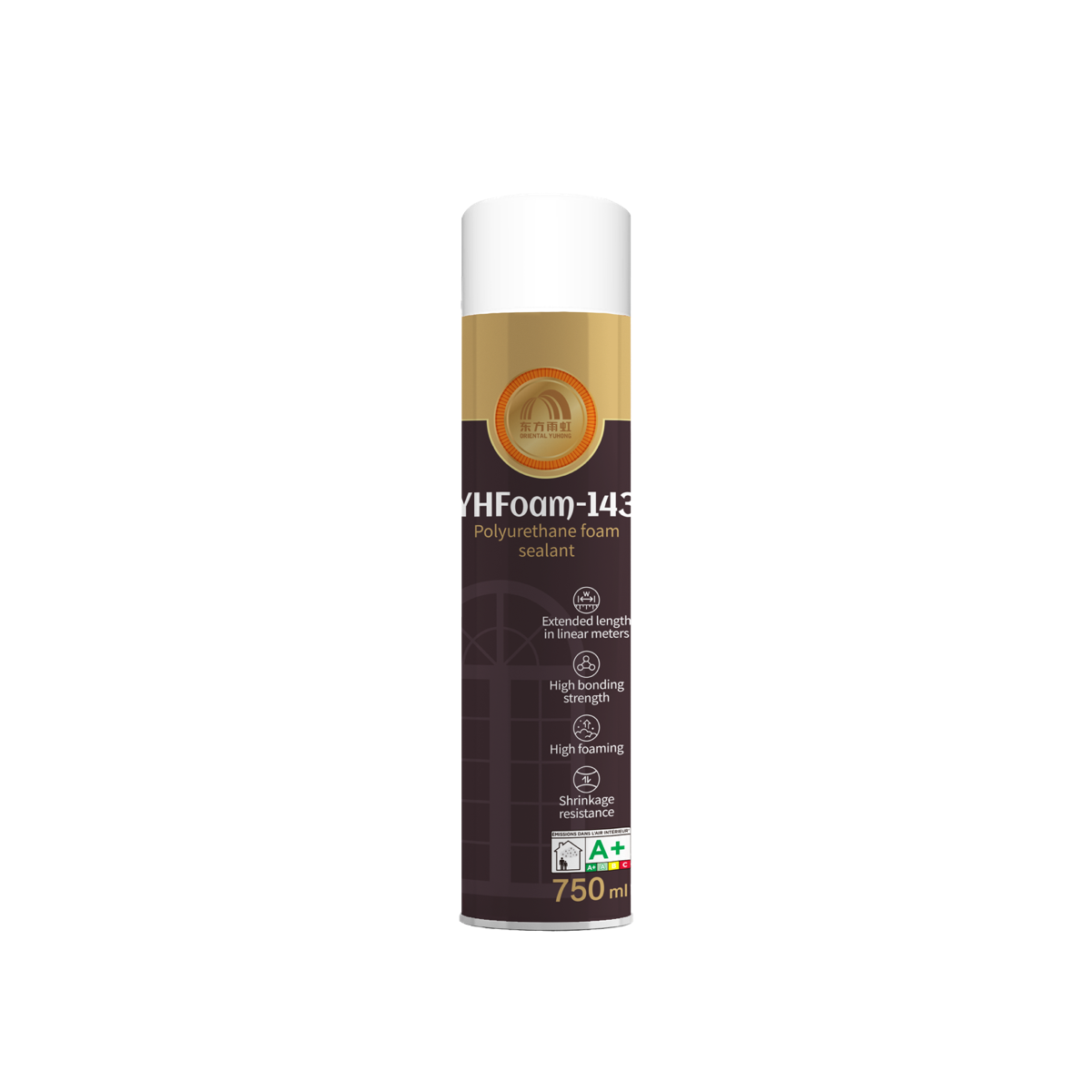
Polyurethane foam sealant is a versatile material widely used in construction and home improvement projects. It expands upon application to fill cracks, gaps, and voids effectively, providing excellent insulation and soundproofing. This sealant adheres well to various surfaces like wood, concrete, and metal, ensuring long-lasting results. One key advantage is its moisture resistance, making it ideal for areas prone to water exposure such as basements and bathrooms. Additionally, polyurethane foam sealant helps in energy efficiency by sealing air leaks, which can reduce heating and cooling costs. For superior performance, consider OYH polyurethane foam sealant, known for its quick curing time and easy application. Whether you're insulating walls or sealing around pipes, this product delivers reliable results. With proper use, it prevents drafts and enhances structural integrity. Always follow safety guidelines when handling expanding foams to achieve professional-grade finishes in your DIY endeavors.
Selecting the appropriate polyurethane foam sealant involves understanding your project's specific requirements. Look for products with high expansion rates for filling large gaps or low-expansion formulas for precise applications around windows and doors. Durability is crucial; opt for sealants that resist UV exposure and temperature fluctuations to maintain effectiveness over time. Polyurethane foam sealant is prized for its strong bonding properties and flexibility, accommodating minor movements in building materials without cracking. Evaluate the can size and nozzle type for user-friendly dispensing. OYH offers a range of polyurethane foam sealants tailored to different viscosities and curing speeds, ensuring compatibility with various substrates. Before purchasing, check for low-odor options if working indoors. Proper storage in cool, dry places extends shelf life. By choosing a quality polyurethane foam sealant, you invest in a solution that not only seals but also insulates, contributing to a more comfortable living environment and potential energy savings.
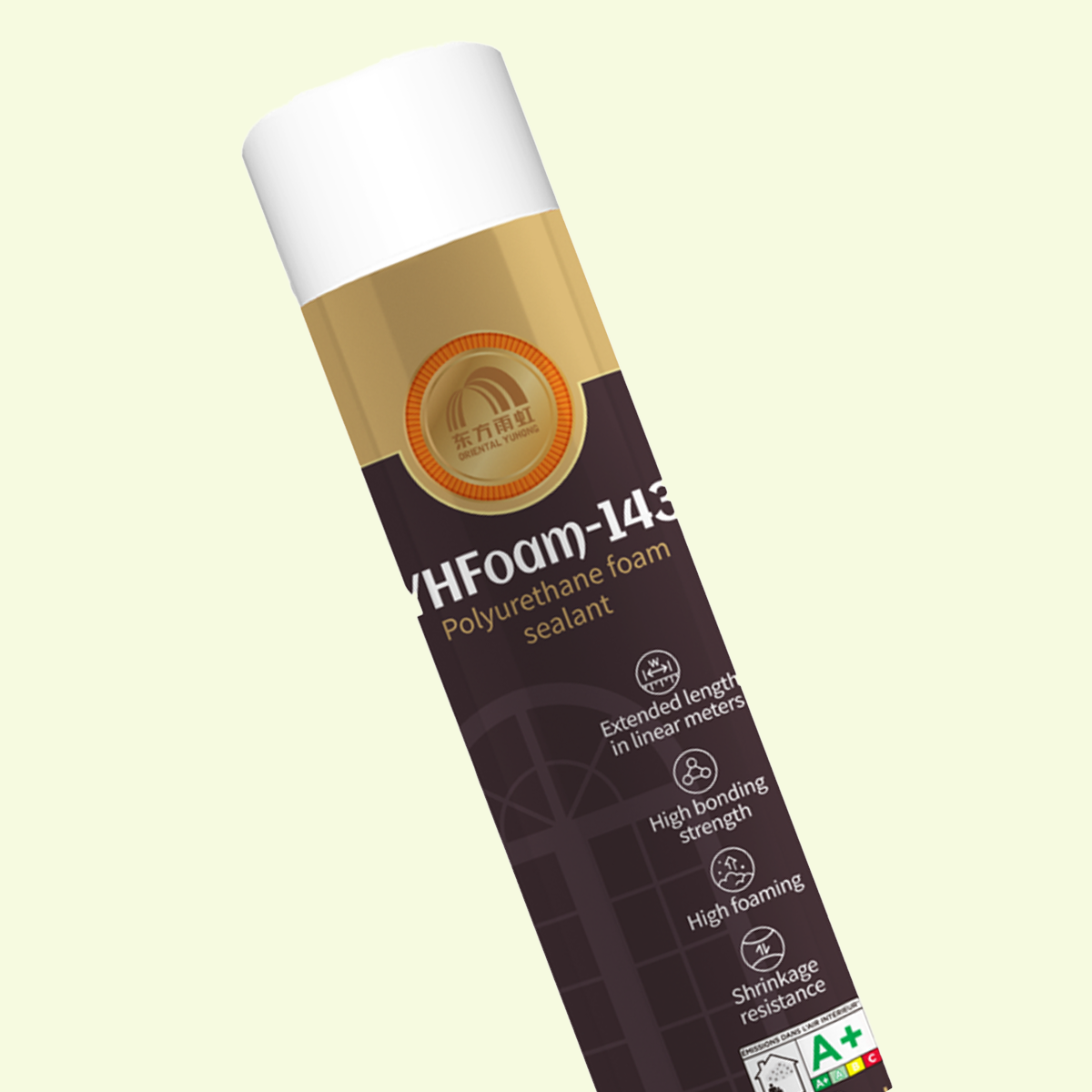
Applying polyurethane foam sealant correctly ensures optimal performance and a clean finish. Start by preparing the surface: clean and dry the area to remove dust, grease, or loose debris for better adhesion. Shake the can vigorously for at least 30 seconds to mix the components. Attach the nozzle and test the flow on scrap material to gauge expansion. Insert the nozzle into the gap and apply in short bursts, allowing the foam to expand and fill the space naturally. For vertical applications, work from bottom to top to prevent dripping. Once cured, which typically takes 1-2 hours, trim excess foam with a utility knife for a smooth appearance. OYH polyurethane foam sealant provides consistent expansion and minimal shrinkage, making it user-friendly for both professionals and homeowners. Wear protective gear like gloves and goggles during application to avoid skin contact. This method seals gaps around doors, windows, and electrical outlets efficiently, enhancing insulation and preventing pest entry.
Four primary issues commonly lead to mold, mildew, rising damp, and efflorescence: Mold caused by inadequate ventilation Mold resulting from internal condensation Mold induced by driving rain or roof leaks Rising damp and efflorescence attributed to salt contamination
For non-porous substrates such as metal and glass, silicone-based sealants are recommended. For porous substrates like concrete, bricks, and masonry, polyurethane sealants are the preferred choice. In applications requiring broad adhesion compatibility (e.g., window installations), silane-modified polymer sealants are uniquely suitable due to their versatile bonding properties. For joints that are too wide for conventional sealants or demand enhanced waterproofing, consider joint tapes, swellable profiles, waterbars, or injection hose systems—selection should be tailored to the project’s specific requirements.
Flashing materials are key components in building waterproofing engineering, used to treat special parts such as corners and gaps. Their core function is to prevent water seepage from building joints, especially for waterproof sealing of roofs, walls, pipes, and other components. Flashing materials: Include waterproof membranes、tapes, coatings, metal sheets, sealants, etc.
1. POLYURETHANE FOAM RESINS Polyurethane foaming resins are designed to expand with water to temporarily block the passage of water through the crack or void .
2. POLYURETHANE RESINS Polyurethane resins are hydrophobic, flexible and used for the non-structural injection sealing and waterproofing of voids, cracks and joints. Their low viscosity allows good penetration into the concrete structure to seal the leaks and achieve a durable elastic seal.
3. ACRYLATE RESINS Acrylate resins are hydrophilic, very flexible and used for non-structural injections of cracks, joints and voids, including for injection hose systems, compartment systems and area (e.g. Grid and Curtain) injection works.
4. EPOXY RESINS Epoxy resins have relatively high tensile and compressive strengths in relation to concrete, they are generally regarded as ‘rigid’ materials and widely used for structural repairs by injections of cracks and voids in load bearing reinforced concrete structures or elements
Injection is a common method used to repair and waterproof concrete structures. It is also used to consolidate and stabilize ground before future structures are erected (pre-excavation grouting) and to stop water and consolidate ground in existing underground structures (post-injection).