





Are you sure to delete it?










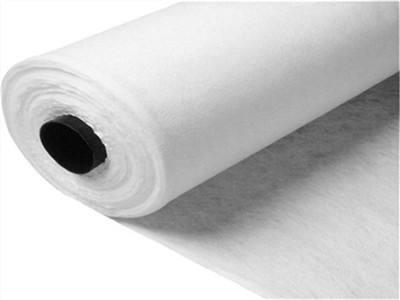
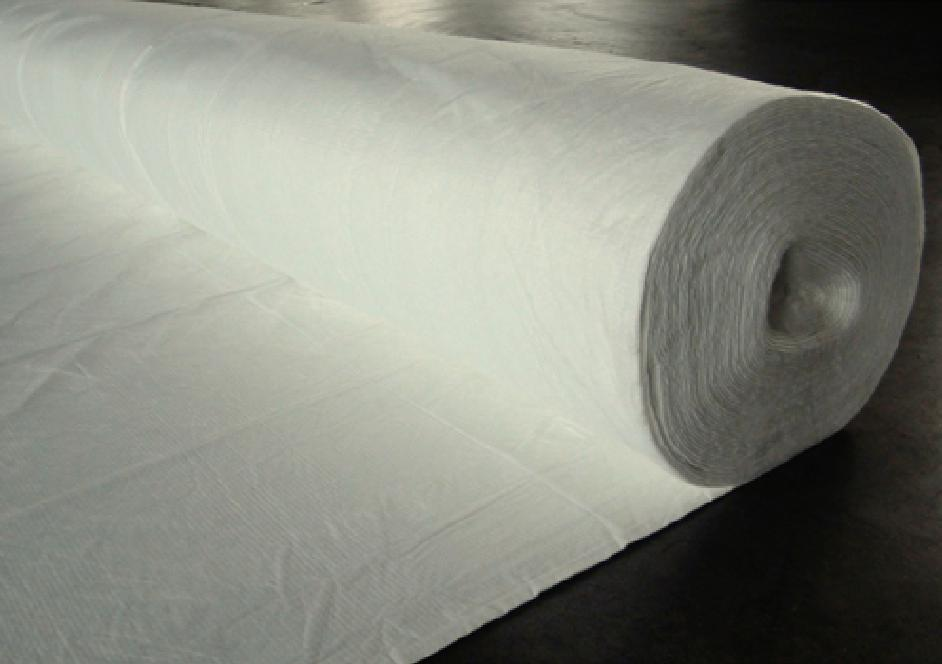
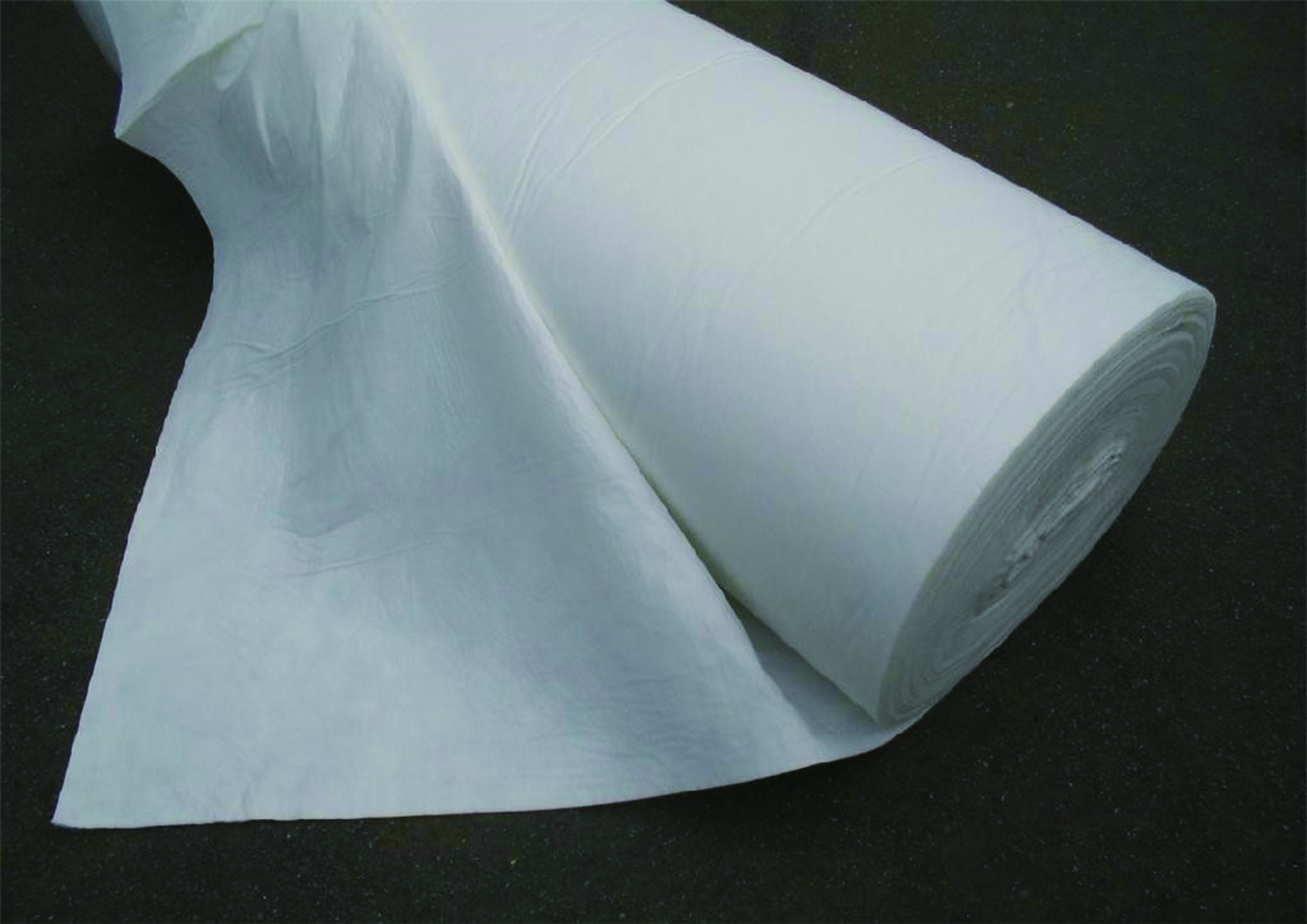


Characteristics and Packaging
|
Item |
Description |
|
Packaging |
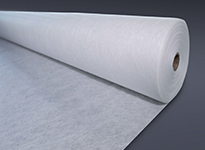
Roll |
|
Width (m) |
2~6 |
|
Length (m) |
50~200 |
|
Mass per unit area(g/m2) |
150~800 |
|
Roll Size (m2/roll) |
100~1200 |
Support for customization of other sizes.
Properties
|
Properties |
Unit |
Inspection |
Product Specification |
||||||
|
G150 |
G200 |
G300 |
G400 |
G500 |
G600 |
G800 |
|||
|
Mass Per Unit Area |
g/㎡ |
ISO 9864 |
150 |
200 |
300 |
400 |
500 |
600 |
800 |
|
Thickness 2 pKa |
mm |
ISO 9863-1 |
1.2 |
1.6 |
2.2 |
2.8 |
3.4 |
4.2 |
5.5 |
|
Tensile Strength |
kN/m |
ISO 10319 |
9 |
12 |
18 |
24 |
30 |
36 |
48 |
|
Rate of Deviation in Mass Per Unit Area |
% |
/ |
-5 |
||||||
|
Width Deviation Rate |
% |
/ |
-0.5 |
||||||
|
Thickness Deviation Rate |
% |
/ |
-10 |
||||||
|
Elongation at Tensile Strength |
% |
ISO 10319 |
40~80 |
||||||
|
Grab Tensile Strength |
N |
ASTM D 4632 |
500 |
700 |
1100 |
1400 |
1900 |
2400 |
3000 |
|
Grab Elongation |
% |
ASTM D 4632 |
40~80 |
||||||
|
CBR Burst strength |
N |
ISO 12236 |
1600 |
1900 |
2900 |
3900 |
4300 |
6400 |
7900 |
|
Trapezoidal Tear Strength |
N |
ISO 9073-4 |
220 |
290 |
430 |
570 |
710 |
830 |
1100 |
|
Apparent Opening Size 090 |
mm |
ISO 12956 |
0.05~0.3 |
||||||
|
UV Resistance After 500 hrs |
% |
ASTM D 4533 |
85 |
||||||
Note: All values are based on test results determined under laboratory conditions and with product samples taken from original stock.
For requirements of other models, you can communicate with our technical personnel about the feasibility for customized production.
Application Instructions
【Construction Technology】
Base inspection→On-site measurement and lofting→Laying-Lap treatment→Inspection and acceptance
【Construction key points】
Installation Requirements:
· Base inspection: Check whether the base layer is flat, firm, and free of large vegetation, protruding branches, sharp rocks, voids, or other objects that may damage the woven geotextile during installation.
· Trial Placement: Determine the geotextile dimensions based on site conditions, cut accordingly, and conduct a trial placement. The cutting dimensions must be accurate.
· Check whether the overlap width is appropriate. The overlapping areas should be flat and moderately tensioned.
· Geotextiles can only be cut with a geotextile knife (hook knife). If cutting is performed on-site, special measures must be taken for other materials to prevent damage caused by cutting the geotextile.
· During geotextile installation, the construction unit must take necessary measures to prevent damage to the underlying layer of material.
· Geotextile seams must be double-stitched. The stitching thread must be made of the same material as or superior to the woven geotextile and must be chemically resistant and UV-proof. The stitching thread should contrast distinctly with the geotextile for easy inspection. When stitching overlapping sections, the thread should be straight, and stitches should be evenly spaced. During stitching, special care must be taken to ensure no soil or gravel from the overlying layer enters the middle of the geotextile. After stitching, inspect whether the geotextile is laid flat and free of defects.
· After installation, visually inspect all geotextile surfaces to identify and mark any damaged areas for repair, ensuring no foreign substances that could cause damage remain on the installation surface.
Advantages
· High Puncture Strength: Polyester filament geotextiles can ensure the three-dimensional porosity of geotextiles, which is conducive to the realization of excellent hydraulic properties. The puncture strength of geotextiles have great advantages, especially suitable for reinforcement of retaining walls and embankment. Anti-ultraviolet light has extremely high anti-ultraviolet ability.
· Creep Resistance: Many engineering problems involve creep. Polyester filament geotextiles have better creep resistance than other geotextiles, so they have better long-term durability
· Excellent UV Resistance: Compared with other polymer geotextiles polyester continuous filament geotextiles have more excellent UV resistance and are more suitable for short-term exposed construction environments and applications
· Easy To Line: Polyester spunbonded needle-punched geotextile has low needle-punched density, the fabric surface is soft and not stiff, more convenient to lay and install, and fits the working surface better.
 High Puncture Strength
 Creep Resistance
 Excellent UV Resistance