




Are you sure to delete it?











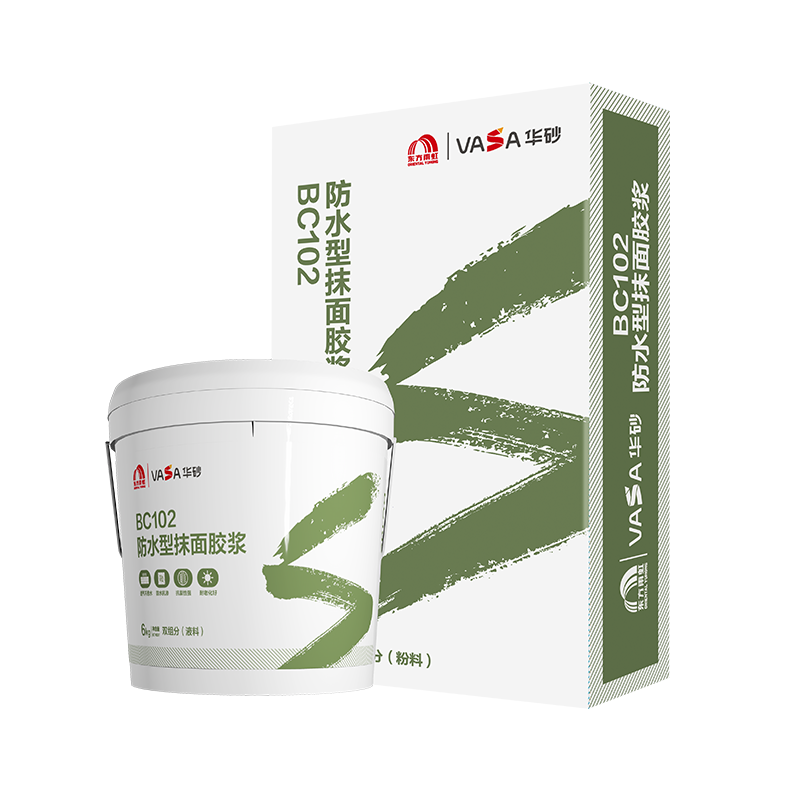

PRODUCT INFORMATION
The product complies with the performance indicators for adhesives as specified in GB/T29906-2013 standard and the requirements for Type II polymer-cement waterproof mortar in JC/T 984-2011, including impermeability, bond strength, freeze resistance, and water absorption. The main technical indicators are as follows:
|
ITEM |
Tecnical indicator |
|||
|
Tensile Bond Strength,MPa(with molded board) |
Original strength |
≥0.1 The damage occurred in the molded board |
||
|
Water resistance |
Water Resistance Strength after 48h immersion, 2h drying |
≥0.06 |
||
|
Water Resistance Strength after 48h immersion, 7d drying |
≥0.10 |
|||
|
Freeze-thaw resistance |
≥0.10 |
|||
|
Flexibility |
ratio of compressive strength(cement-based) |
≤3.0 |
||
|
Impact resistance |
3J level |
|||
|
Water absorption, g/m² |
≤500 |
|||
|
Watertightness |
No water penetration in the surface layer |
|||
|
Operable Time(cement-based), h |
1.5-4.0 |
|||
|
Mortar specimen impermeability (7 days, MPa) |
≥1.0 |
|||
|
Bond strength (7 days, MPa) |
≥1.0 |
|||
|
Freeze resistance (25 times) |
No cracking or peeling |
|||
|
Water absorption rate (%) |
≤4 |
|||
TECHNICAL INFORMATION
|
Product Technical Parameters |
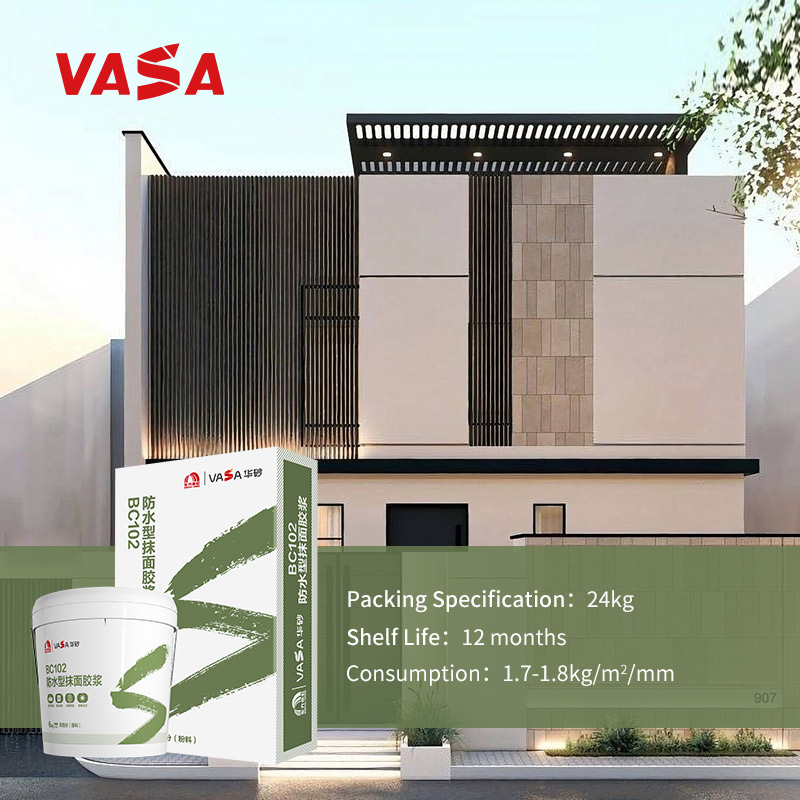
Packing Specification |
Liquid: 6kg/bucket + Powder: 24kg/bag |
|
Character |
Gray powder , milky-white liquid |
|
|
Mixing Ratio |
Liquid: Powder = 1:4 (by weight) |
|
|
Executive Standard |
GB/T 29906-2013 JG/T 483-2015 Type II impermeability, bond strength, freeze resistance, water absorption |
|
|
Shelf Life |
12 months in a sealed package stored in a cool, dry place |
|
|
Construction Technical Parameters |
Construction Tools |
Trowel |
|
Operable Environment |
Temperature 5-35°C.Try to avoid outdoor construction in high temperature, frost, direct sunlight or windy, rainy weather |
|
|
Consumption |
1.7-1.8kg/m²/mm |
|
|
Operational Time |
2h |
APPLICATION PROCEDURE
· Preparation and Tools
Ensure the insulation boards are securely bonded (at least 24 hours). Fill gaps larger than 2mm between boards with insulation strips, and smooth out height differences greater than 1mm. Clean the board surfaces thoroughly.
If a primer is required for the insulation boards, apply it and allow it to dry completely before proceeding to the next step.
· Construction Process
The mixing ratio of liquid to powder is 1:4 (by weight).
Add the required amount of water as indicated on the certificate to a mixing bucket, then slowly add the powder while stirring. Use an electric mixer to stir until the mixture is uniform and free of lumps. Let it sit for 3-5 minutes, then stir again for 15-30 seconds before use. The mixed adhesive should be used within 2 hours.
Apply the mixed mortar to the insulation board surface with a trowel to a thickness of 2-3mm. Immediately press the alkali-resistant mesh into the freshly applied mortar. Apply a second layer of mortar once the first layer has slightly dried and hardened (until it can be touched without deforming), ensuring the mesh is fully covered. The thickness of the second layer of mortar is about 1-2mm. The total thickness of the mortar should not be less than 3mm.
Overlap the mesh by at least 100mm. In corners such as door and window openings, reinforce with an additional layer of 25cm x 25cm alkali-resistant mesh.
FEATURES AND BENEFITS
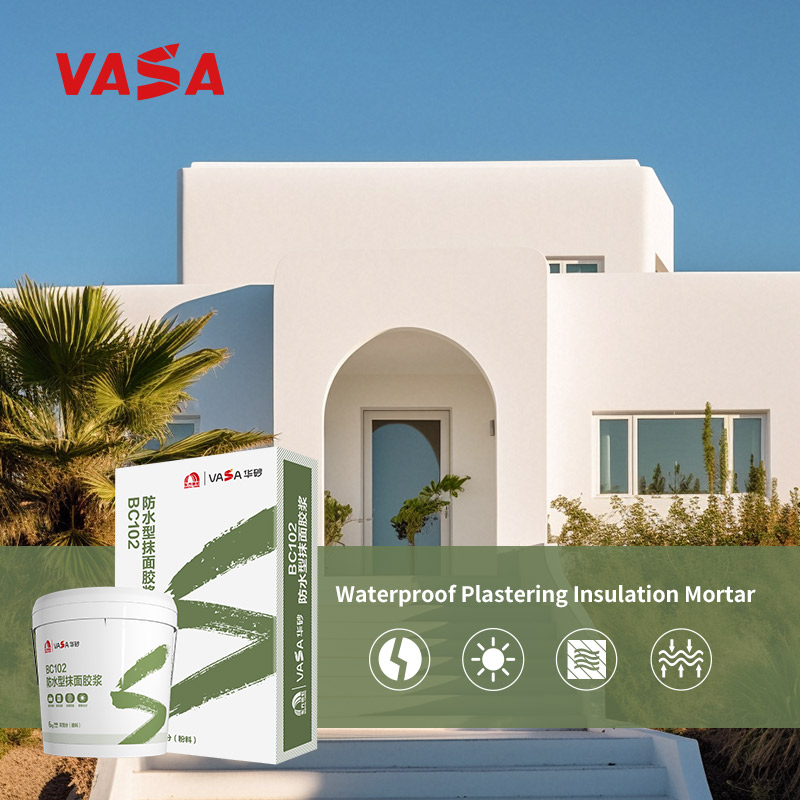
· Breathable yet waterproof
· Strong water resistance and impermeability
· Excellent crack resistance
· Good aging resistance
The surfacing of EPS boards and rock wool boards in both new construction and renovation projects.
 Breathable yet waterproof
 Strong water resistance and impermeability
 Excellent crack resistance
 Good aging resistance