hd_top1
Brand
arr_bottom_white
hd_top2
arr_bottom_white

Description

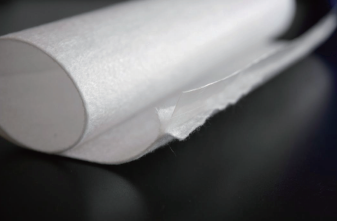
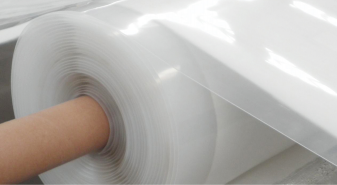
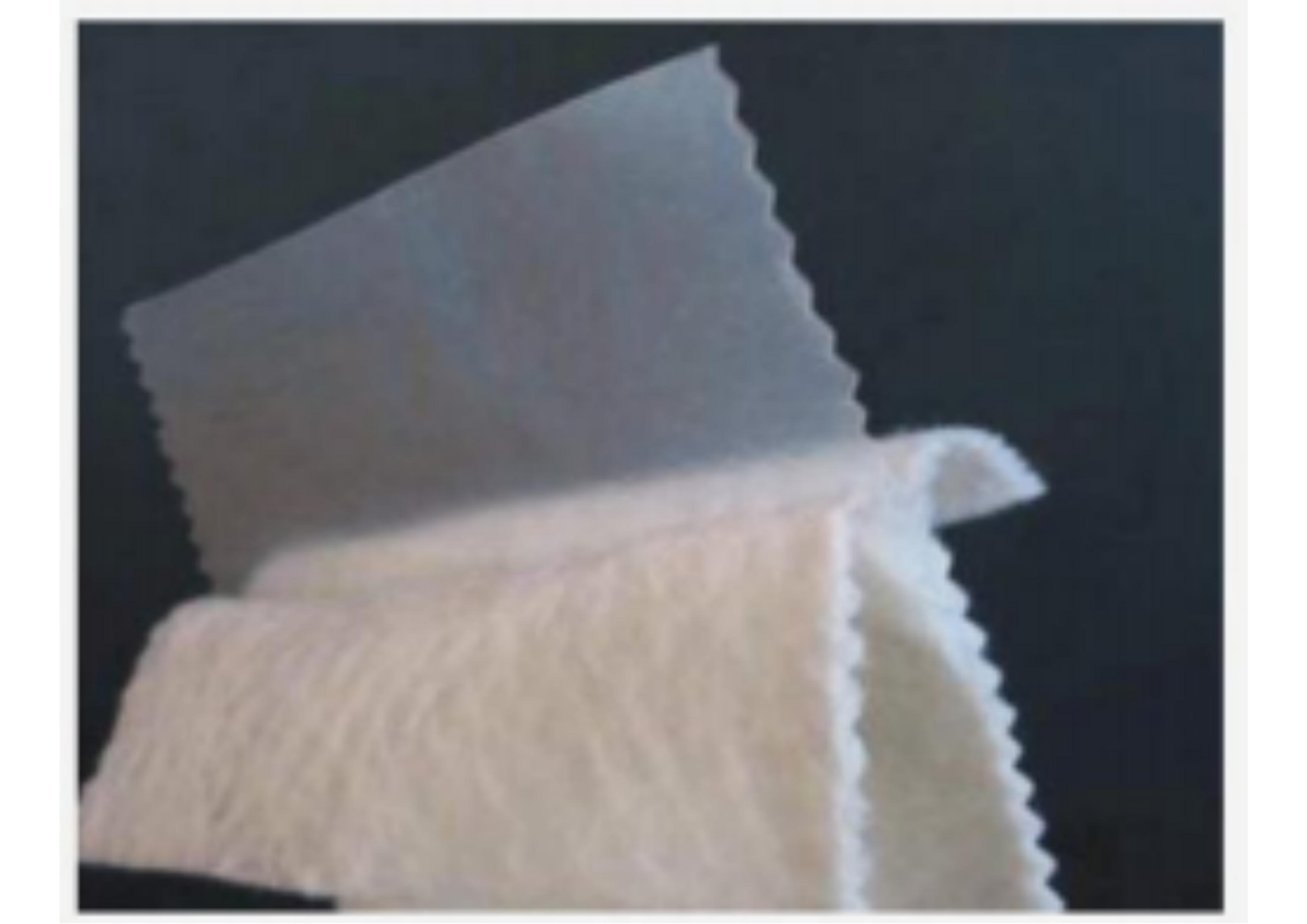
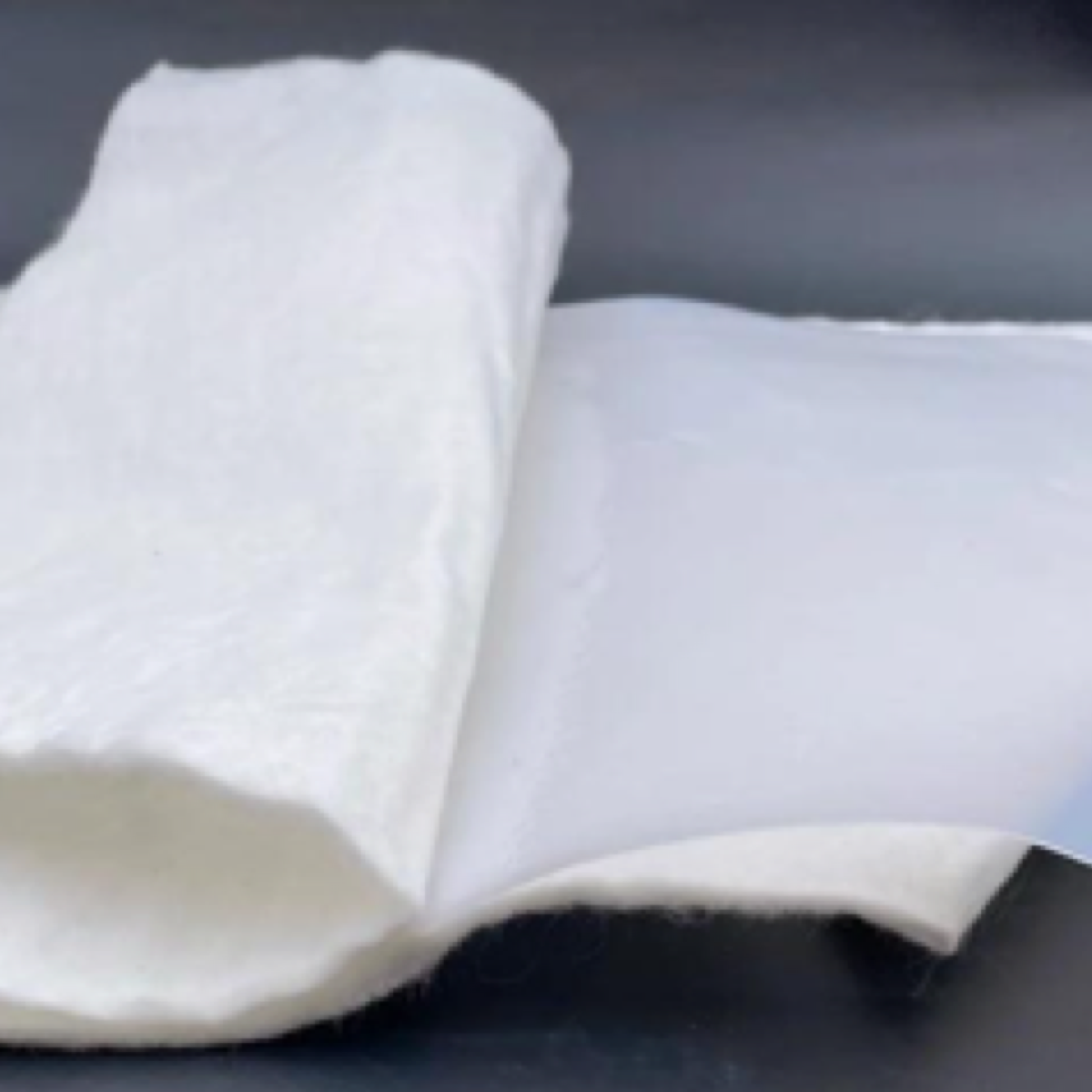
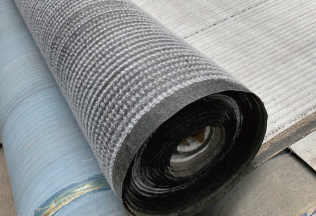
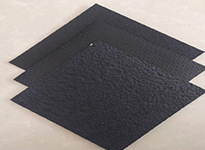
Composite geomembrane is an impermeable material formed by combining geotextile with geomembrane. This geosynthetic material is produced by laminating or thermally bonding one or two layers of geotextile with a polymer material (typically PE). YH Composite geomembrane is made by compounding high-quality polyethylene raw materials with long filament non-woven fabric or short filament non-woven fabric. In addition to the anti-seepage, good sealing, corrosion resistance, acid and alkali resistance, and anti-aging properties of the geomembrane, it also has the protection, drainage, isolation, and reinforcement functions of the geotextile. The two-fabric-one-membrane or one-fabric-one-membrane structure formed can reduce the thickness of the support layer and protective layer in the engineering anti-seepage structure, enhance the tensile and shear strength of the anti-seepage main body, and effectively reduce costs.

Specifications

Characteristics and Packaging


Item

Description 

Packaging

Roll 

Width (m)

4~6

Length (m)

50

Roll Size (m2/roll)

200~300

Properties


General Technical Indicators for Composite Films

Properties

Unit

Inspection

Standards

Product Specification

0.3

0.4

0.5

0.6

0.7

0.8

1

Thickness of Membrane

mm

/

0.3

0.4

0.5

0.6

0.4

0.8

1

Proofed Hydrostatic Pressure

one fabric one membrane

Mpa

/

0.5

0.6

0.8

1

1.2

1.4

1.6

two fabric one membrane

Mpa

/

0.6

0.8

1

1.2

1.4

1.6

1.8

Peel Resistance

N/cm

ISO 10319

6

Elongation at Tensile Strength

%

ISO 10319

40~80


Filament Composite Geomembrane

Properties

Unit

Inspection

Standards

Product Specification

10

12

14

16

18

20

25

30

40

Tensile Strength

kN/m

ISO 10319

10

12

14

16

18

20

25

30

40

CBR Burst Strength

kN

ISO 10319

2.1

2.4

2.7

3.0

3.2

3.4

3.6

4.0

5.0

Tear Strength

kN

ISO 9073-4

0.3

0.4

0.5

0.6

0.6

0.7

0.8

1.0

1.2


Short-fiber Composite Geomembrane

Properties

Unit

Inspection

Standards

Product Specification

5

8

10

12

14

16

18

20

Tensile Strength

kN/m

ISO 10319

5.0

8.0

10.0

16.0

14.0

16.0

18.0

20.0

CBR Burst Strength

kN

ISO 10319

1.1

1.5

1.9

2.2

2.5

2.8

3.0

3.2

Tear Strength

kN

ISO 9073-4

0.2

0.3

0.3

0.4

0.5

0.6

0.6

0.7

Application Instructions
 
【Construction Technology】
Base inspection→On-site measurement and lofting→Laying-Lap treatment→Inspection and acceptance
【Construction key points】
Installation Requirements:
· Prior to installation, the construction unit must provide a layout plan for the composite geomembrane installation and welding, ensuring rational selection of the laying direction to minimize stress on seams, optimize the placement of each material section, and achieve the fewest possible seams. No transverse seams are permitted on slopes exceeding 10% or within 1.5 meters of the slope toe.
· Before installation, ensure the construction surface is level, free of excessive irregularities, sharp particles, or any hard debris that may damage the composite geomembrane. The quality of the impermeable material must be rigorously inspected and confirmed before proceeding with installation.
· The composite geomembrane must be laid smoothly and snugly, minimizing wrinkles. Immediate anchoring and ballasting are required after installation. Ballast bags should be promptly placed on the laid impermeable material to prevent wind uplift. No vehicles are permitted to drive directly on the composite geomembrane.
· Each composite geomembrane section must be welded on the same day of installation, with appropriate protective measures to prevent rainwater infiltration into the underlying clay layer.
Welding Requirements:
· Welding is typically performed using dual-seam overlap welding, with extrusion welding reserved for repairs (patching or covering) in areas inaccessible to fusion welding equipment.
· The construction site must be equipped with sufficient welding apparatus to ensure continuous welding operations.
· An on-site testing laboratory with necessary inspection equipment must be established. Field inspections shall include visual examination of composite geomembrane seams, pressure testing, vacuum testing, and destructive testing.
· Formal welding must not commence until test specimens welded by the equipment pass trial welding verification.
· Before welding, all foreign matter such as dust and dirt must be removed from the composite geomembrane surface, and welding edges must be cleaned.
· During welding, monitor overlap width variations and adjust accordingly. For dual-track fusion welding, the seam overlap width must be no less than 100 mm; for extrusion welding, no less than 75 mm. The seam joint strength must not be less than that of the parent material.
· For extrusion welding, pre-bond the upper and lower membrane sheets using hot air, and remove the oxidized layer at the welding location with a grinder. The grinding width must match the extrusion welding width.
· For dual-track welding, conduct an air pressure leak test on the enclosed space formed between the two welds. For extrusion welding, employ vacuum testing or spark testing.

Advantages

· High puncture resistance, large friction coefficient.
· Coil width is large, High construction efficiency.
· Good chemical stability, acid and alkali resistance, corrosion resistance.
· It has a large temperature range and a long service life.
· It has excellent resistance to environmental stress cracking.
· Good flexibility, with a high anti-seepage coefficient.
Scope of Application
Mainly used in seepage control for ports, docks, cofferdams, and land reclamation from the sea. Subgrade waterproofing, seepage control and drainage of road shoulders or cuttings. Seepage control of isolation belts and subgrade slopes. Seepage control and waterproofing for bridges, tunnels, and culverts.Artificial lakes, rivers, golf course reservoirs, water - based landscape and comprehensive ecological treatment of rivers.Seepage control for reservoirs, cisterns, drinking water tanks, and irrigation systems.
FAQ
  • Q1: What is a geomembrane?
    A geomembrane is a synthetic membrane liner or barrier used to control fluid migration in a wide range of civil, environmental, and industrial applications.
  • Q2: Why should I choose a geosynthetic barrier instead of traditional clay liners?
    Geosynthetics offer superior impermeability, faster installation, reduced thickness requirements, and higher chemical resistance compared to traditional compacted clay liners.
  • Q3: How long does a geomembrane last?
    Depending on the material and environmental conditions, service life can range from 30 to over 100 years.
  • Q4: Is it safe for drinking water or sensitive environmental applications?
    Yes, certain geomembranes are certified safe for potable water use and meet environmental regulations like NSF or GRI-GM standards.
  • Q5: What factors should be considered when selecting a geomembrane?
    Key factors include chemical resistance, mechanical strength, UV resistance, site conditions, expected service life, and installation method.
  • Q6: How thick should the geomembrane be?
    Common thicknesses range from 0.5 mm to 3.0 mm, depending on application requirements and site-specific conditions.
  • Q7: Are there international standards or specifications for geomembranes?
    Yes, ASTM, ISO, and GRI (Geosynthetic Research Institute) standards provide guidelines for testing and performance.
Send Your Message To Us
* Product Name:
* E-mail:
* Contact Number:
Company Name:
* Details:
Composite geomembrane

Geosynthetics-Geocomposites made of geononwoven and geomembrance

Ref Price:
Customisation:
Features & Benefits
  • High puncture resistance, large friction coefficientHigh puncture resistance, large friction coefficient
  • Coil width is large, High construction efficiencyCoil width is large, High construction efficiency
  • Good chemical stability, acid and alkali resistance, corrosion resistanceGood chemical stability, acid and alkali resistance, corrosion resistance
  • Large temperature range and a long service lifeLarge temperature range and a long service life
  • Excellent resistance to environmental stress crackingExcellent resistance to environmental stress cracking
  • Good flexibility, with a high anti-seepage coefficientGood flexibility, with a high anti-seepage coefficient
pdet_rf_icon6Follow US:
pdet_rf_icon7
Effective Logistical Security
pdet_rf_icon8
The Strictest Quality Assurance
pdet_rf_icon9
Online Customer Service
Hot Selling Products
formpop_closeformpop_closeon
Get Latest Price
Help us more accurately and quickly offer you a quotation by telling us more!
* Product Name:
* E-mail:
* Quantity required:
*Contact Number:
Company Name:
* Details:
formpop_closeformpop_closeon
Available
Feel free to approach us for customised products, we will be in touch with you soon!
* Product Name:
* E-mail:
* Quantity required:
*Contact Number:
Company Name:
* Details:
formpop_closeformpop_closeon
We'd welcome your feedback!
How likely would you be to recommend OYHORDER.COM to a friend or colleague?
0 - Not likely at all
10 - Extremly likely
Please kindly tell us what could be done to improve your experience?
This field must not be empty
pop_close
pop_ico1
Are you sure to delete it?
pop_img3
pop_close
pop_ico2.svg
The shopping cart is empty and the order cannot be submitted
pop_img3.svg
Ok
pop_close
pop_ico3
Under development, please stay tuned
pop_img3
Ok