Brand


Composite Geomembrane supplier from China,we're specialist manufacturer with years of practical experience.For buyers from all over the world,we help them with high high-quality porcelain adhesive cement solutions. Customized products are offered and we assistance wholesale. Please click the button under to check for far more particulars of geotextile for soil stabilization.
Because the enterprise established, we've been committed to tile adhesive for porcelain wall tiles in China sales and service, we've regularly adhering towards the "quality very first, service first" company philosophy to serve our clients and normally put this philosophy all through our neutral silicone structural adhesive sales and after-sales service. We are one of many most highly effective and extensive marketplace network of modern day integrated porcelain adhesive cement solution sales company. Welcome your inquiry!
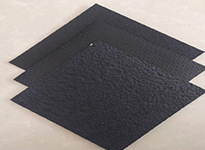
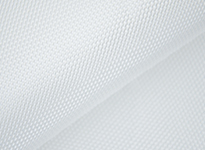
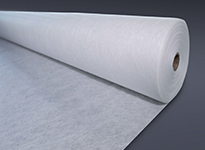
Geosynthetics-Polyethylene geomembrane
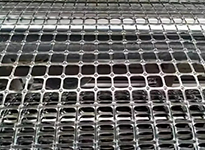
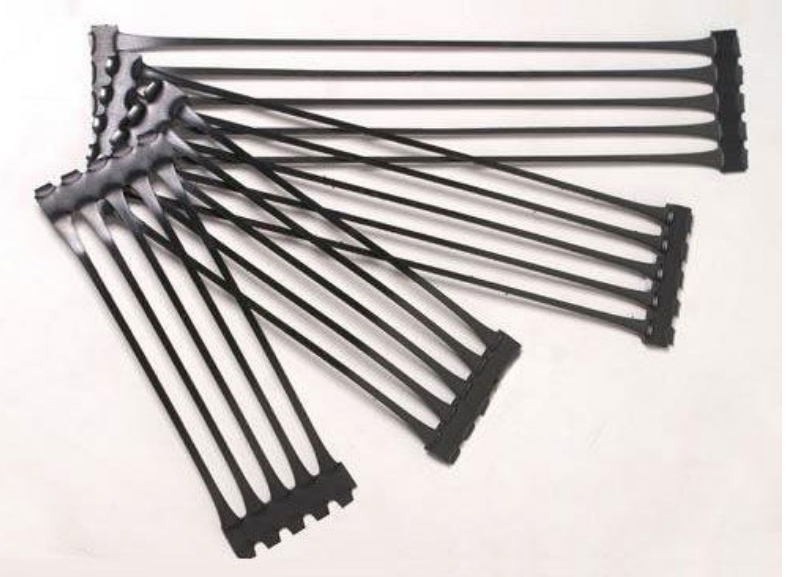
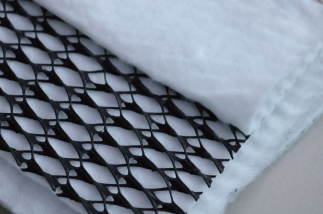
Geosynthetics-Geogrid
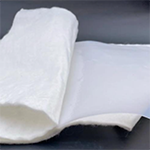
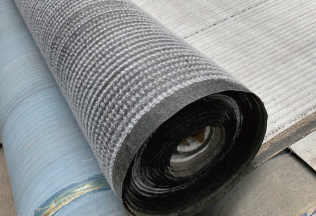
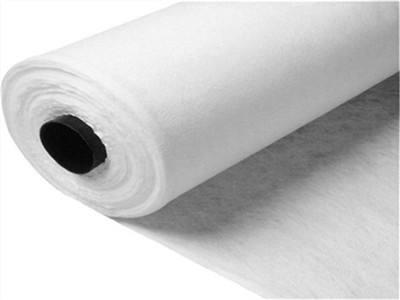
Geosynthetics-Geocomposites made of geononwoven and geomembrance
Professional composite geomembrane solutions of China supplier for international and nearby trade company.Getting the top merchandise of our factory,our geotextile for soil stabilization merchandise series have been tested and won us qualified authority certifications. For far more parameters and item list details,please click the button to obtain far more info.
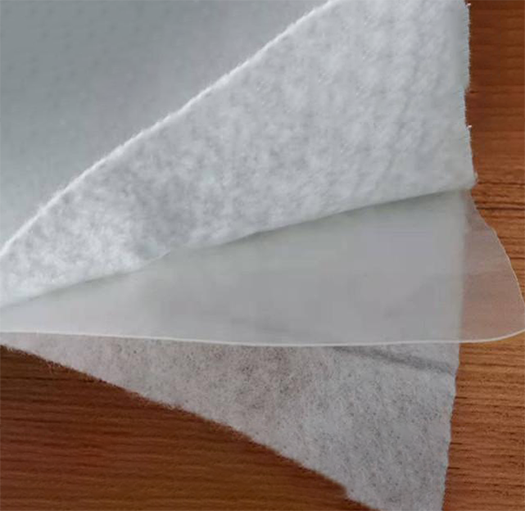
Composite geomembrane is an innovative material combining a geomembrane layer with geotextile for enhanced durability and performance in environmental protection projects. This versatile solution offers superior waterproofing, puncture resistance, and UV stability, making it ideal for applications like landfill liners, pond liners, and canal linings. By integrating the impermeable properties of geomembranes with the reinforcement of geotextiles, composite geomembranes prevent leakage and soil erosion effectively. In construction and mining industries, they provide long-term reliability, reducing maintenance costs and environmental risks. OYH specializes in producing high-quality composite geomembranes that meet international standards, ensuring seamless installation and optimal functionality. Whether for agricultural reservoirs or wastewater treatment facilities, these materials deliver exceptional hydraulic conductivity control. Engineers appreciate their flexibility and chemical resistance, which adapt to various terrains and harsh conditions. Investing in composite geomembrane not only safeguards the environment but also enhances project efficiency and sustainability. With proper selection, such as OYH's offerings, you achieve robust protection against groundwater contamination and structural failures.
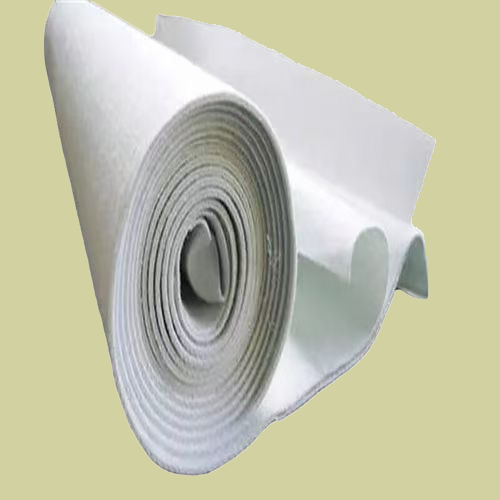
In civil engineering, composite geomembrane stands out for its multifaceted benefits, including high tensile strength and excellent impermeability that outperform traditional liners. This engineered fabric, typically comprising HDPE or LDPE films bonded to non-woven geotextiles, ensures effective separation, filtration, and drainage in geotechnical applications. Key advantages include reduced installation time due to large roll sizes, cost-effectiveness over the lifecycle, and minimal environmental impact. It's widely used in mining tailings ponds, road base stabilization, and hydraulic structures to prevent soil migration and water seepage. OYH composite geomembranes are designed with advanced extrusion technology, providing consistent thickness and weldability for secure seams. Their resistance to aging and biological degradation extends service life up to 50 years in exposed conditions. For sustainable infrastructure, these materials support green building practices by recycling compatible components. Project managers value the ease of quality assurance testing, such as leak detection methods, ensuring compliance with regulations. Overall, adopting composite geomembrane elevates project safety and performance, with OYH products leading in reliability and innovation.
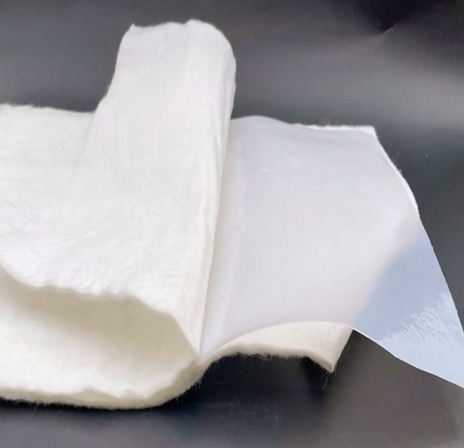
Composite geomembrane finds extensive applications in environmental engineering, from oil spill containment to aquaculture ponds, where its dual-layer design provides unmatched protection against permeation and mechanical damage. This material excels in scenarios requiring robust barrier functions, such as tunnel waterproofing, reservoir capping, and erosion control on slopes. Installation involves site preparation, surface leveling, and precise seaming techniques like hot wedge welding to achieve airtight joints. Proper anchoring with trenches or ballast ensures stability against wind uplift and settlement. OYH offers composite geomembranes tailored for diverse climates, with options for reinforced edges to enhance tear resistance. Maintenance is straightforward, focusing on periodic inspections for punctures or degradation. In the renewable energy sector, they're crucial for solar farm liners and wind farm foundations, promoting eco-friendly practices. By choosing high-grade options like those from OYH, contractors minimize risks of failure and maximize operational efficiency. Understanding soil compatibility and regulatory requirements is essential for successful deployment, ultimately contributing to long-lasting infrastructure resilience and resource conservation.
Yes, ASTM, ISO, and GRI (Geosynthetic Research Institute) standards provide guidelines for testing and performance.
Common thicknesses range from 0.5 mm to 3.0 mm, depending on application requirements and site-specific conditions.
Key factors include chemical resistance, mechanical strength, UV resistance, site conditions, expected service life, and installation method.
Yes, certain geomembranes are certified safe for potable water use and meet environmental regulations like NSF or GRI-GM standards.
Depending on the material and environmental conditions, service life can range from 30 to over 100 years.
Geosynthetics offer superior impermeability, faster installation, reduced thickness requirements, and higher chemical resistance compared to traditional compacted clay liners.
A geomembrane is a synthetic membrane liner or barrier used to control fluid migration in a wide range of civil, environmental, and industrial applications.